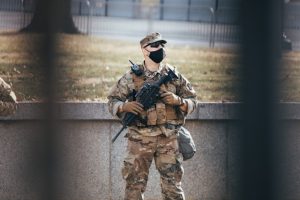
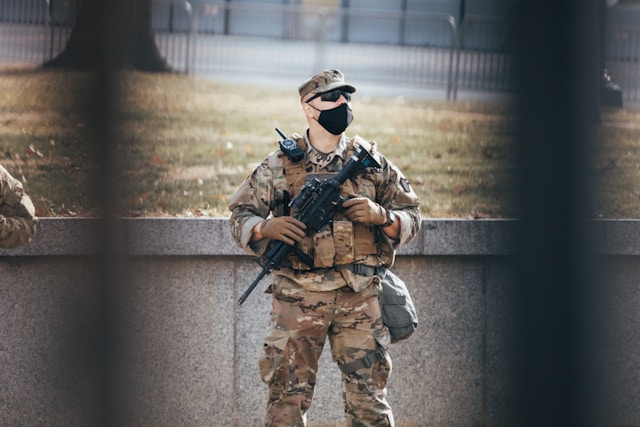
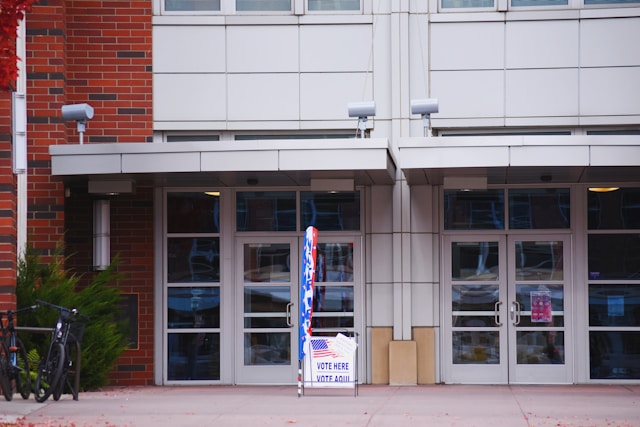
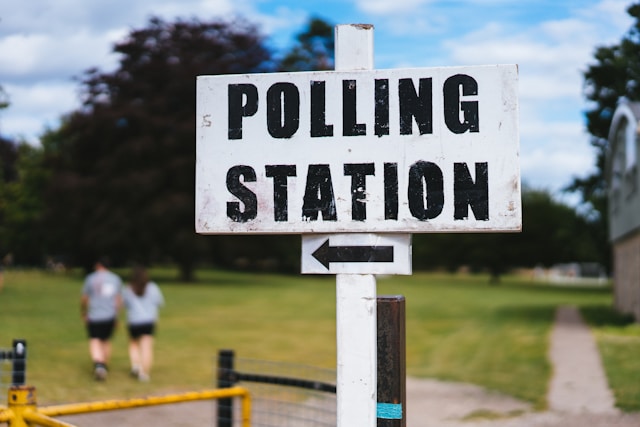
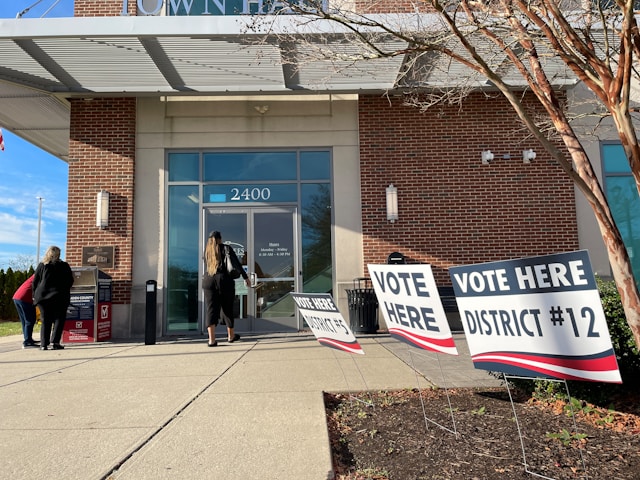
When a protest emerges near your business, preparation is essential. Private security becomes an indispensable partner in protecting assets, people, and operations.
At EPS, we understand that while peaceful demonstrations are a hallmark of a democratic society, even well-intentioned gatherings can quickly devolve. In these moments, professional security stands as your first line of defense, bridging the gap between safety and business continuity.
Why Protests Spark Security Concerns
Protests carry inherent unpredictability. Crowds can swell, emotions rise, and in some cases, agitators or criminal opportunists exploit the situation for vandalism and looting. Even if a protest starts peacefully, situations such as blocked entrances, property damage, and disruption for staff and customers may develop within minutes. Private security provides a trained, visible presence, deterring unlawful behavior and intervening early to stop escalation before it gains momentum.
Business Protection: Beyond the Police
Relying solely on local police during times of protest is risky; resources may be stretched, response times grow, and officers may be tasked primarily with crowd management, not safeguarding private property. At EPS, our security personnel remain focused exclusively on protecting your premises, staff, and visitors. Their local knowledge and specialist training enable dynamic risk assessment and adaptive response, keeping operations smooth even in turbulent times.
Proactive Measures for Businesses
At EPS, we deploy a comprehensive strategy for protest preparedness that includes:
Conducting site-specific risk assessments and updating incident management plans ahead of anticipated protest activity.
Hardening physical security: controlling access points, removing valuables from display, testing fire and intruder alarms, and securing exterior spaces against opportunistic damage.
Monitoring real-time social media and news feeds for early alerts to adjust operations swiftly, brief staff, and activate protocols.
Ensuring visible, professional presence at critical entrances, exits, and vulnerable areas, deterring would-be offenders and promoting calm among legitimate demonstrators.
Keeping People Safe
Beyond asset protection, private security is trained in de-escalation, first aid, and evacuation support. EPS guards serve as a reassuring resource for employees, providing guidance, calm communication, and assistance in emergencies. By maintaining neutrality and professionalism, they help prevent tensions from boiling over between staff, customers, and protesters.
Safeguarding Reputation and Continuity
Failure to plan can lead to loss of public trust, insurance issues, or reputational damage, far beyond broken windows or lost inventory. Engaging EPS for protest periods reassures stakeholders that risk is actively managed and minimized. The presence of skilled, impartial security not only protects business interests but also helps ensure that fundamental rights to protest are respected within the bounds of safety and law.
Conclusion: Security as Preparedness
Protests are unpredictable, but your response needn’t be. Partnering with EPS means more than just guards—it means proactive intelligence, comprehensive risk mitigation, and the assurance that your people and property remain protected, whatever develops outside your door.
Philadelphia is set to host the groundbreaking TED Democracy Flagship Event in February 2026 — a gathering of influential speakers, trailblazers, and thought leaders, marking the city’s 250th anniversary as the birthplace of American democracy.
This high-profile, full-day conference at Marian Anderson Hall will weave together TED Talks, live performances, culinary experiences, and networking, shaping global conversations on democracy.
For organizers and attendees alike, security isn’t simply a formality, it’s the foundation for a safe and inspiring experience. As a leader in major event security, we’re sharing our expert guidance on protecting people, ideas, and reputation in this unique context.
Comprehensive Risk Assessment
A successful security strategy for TED’s flagship event begins with an in-depth risk assessment. The city’s historical significance, international profile, and mix of venues demand a nuanced examination of physical threats, crowd dynamics, cybersecurity vulnerabilities, and health emergencies.
At EPS, our approach combines scenario analysis, site inspections, and intelligence gathering, ensuring every risk, whether petty crime, protest, or digital sabotage, is understood and mitigated.
Multi-Layered Access Control
TED’s event will be bustling with diverse participants, including speakers, dignitaries, attendees, and media. That’s why we’d deploy advanced access control systems such as biometric verification, RFID badges, and secure digital check-ins to restrict access where needed.
Segmenting zones for public, staff and VIP access will reduce overcrowding, manage traffic flow, and curb unauthorized entry. Real-time monitoring and geo-fencing keep sensitive areas, like backstage, media lounges, and technical centers, secure.
Surveillance, Communication, and Rapid Response
Constant vigilance is paramount. Security providers should use surveillance systems, smart cameras, and mobile patrols to monitor venue perimeters, entrances, and gathering areas. The backbone is a unified communication protocol, allowing security teams, event managers, and law enforcement to exchange real-time data and react instantly. Scheduled briefings and shared radio channels ensure agile coordination, even as crowd sizes and event needs shift throughout the day.
VIP Protection and Crowd Management
TED Democracy will attract national and global dignitaries, activists, and celebrities. That’s why we offer tailored close-protection services, safeguarding VIPs and speakers with discreet yet robust measures such as protected transport, escort teams, and advance scouting of venues.
On the public side, EPS-trained agents blend subject matter expertise with people skills, delivering proactive crowd management and conflict de-escalation to keep the atmosphere constructive and secure.
Philadelphia’s Security Partner for Innovation
The TED Democracy Flagship Event is a celebration of the city’s legacy and a look to its future. For event planners and stakeholders, EPS delivers assurance through a blend of innovation, expertise, and adaptability, making security the trusted framework for open dialogue and memorable experiences in Philadelphia. As the city champions new ideas, EPS stands ready as its security partner for every high-profile gathering.
Philadelphia’s “52 Weeks of Firsts” series, part of the city’s expansive 250th anniversary celebrations in 2026, promises a year-long festival of innovation, history, and community spirit. With thousands of visitors expected every week attending parades, exhibitions, concerts and landmark events, the scale and frequency of gatherings create unique security challenges for organizers, residents, and businesses alike.
Crowd Management and Event Safety
Managing large crowds is at the heart of successful, safe celebrations. With activities spread across diverse venues like historic Independence National Historical Park, Penn’s Landing and the Benjamin Franklin Parkway, security teams must monitor entry and exit points, prevent bottlenecks and respond swiftly to emerging safety concerns.
Multi-Agency Coordination
Effective security hinges on partnership. The “52 Weeks of Firsts” program is a collaborative effort involving city police, fire departments, emergency medical services and private event security.
If you need additional security, EPS excels at integrating with public agencies, creating unified emergency response plans, and deploying interoperable communication systems that enable rapid information sharing and coordinated action in any situation.
Landmark Protection
Philadelphia’s iconic sites will be in the national spotlight. Safeguarding historic landmarks while maintaining public accessibility requires a tailored balance between protective barriers, access control and discreet security presence.
Traffic, Transport and Logistics
Increased footfall and road traffic are inevitable. Security teams will need to work with city planners to manage vehicle and pedestrian flow, prioritize emergency vehicle access, and reduce congestion around popular routes. Security measures extend to parking management and public transit safety, protecting attendees en route as well as within venues.
VIP and Dignitary Protection
The anniversary’s high profile will draw national and international dignitaries. Luckily, EPS specializes in personal security services, ensuring VIPs and prominent guests remain safe in public spaces without detracting from the celebratory atmosphere.
Emergency Preparedness
Even with careful planning, unexpected incidents can occur, whether it’s medical emergencies to extreme weather. That’s why we recommend comprehensive contingency planning, including clear evacuation procedures, first aid stations, and regular multi-agency response drills. These steps build readiness and ensure rapid, coordinated action should an incident arise.
The EPS Advantage
As Philadelphia celebrates “52 Weeks of Firsts,” sophisticated, proactive security is essential to protect its people, heritage and reputation. EPS brings expert crowd management, robust emergency protocols, landmark protection, and advanced technology safeguards, positioning businesses and individuals to have a safe, memorable, and unified celebration.
For planners and city officials seeking reliable event security, EPS stands ready to deliver assurance and expertise throughout America’s Semiquincentennial year.
Philadelphia’s role as a host city for the 2026 FIFA World Cup brings an extraordinary opportunity, as well as a significant set of security challenges. With over 500,000 visitors expected for five matches, the city’s reputation and readiness are under the spotlight.
Philadelphia’s Unique Security Demands
The World Cup is forecasted to generate $770 million for the Philadelphia region. But with crowds of this magnitude, public safety requires extensive planning, resources, and expertise. Local authorities must manage crowds at stadiums, fan zones like Lemon Hill, transportation hubs, and busy city arteries, all while maintaining daily city operations. Petty crime, crowd surges, and more severe risks such as terrorism demand a holistic, layered security approach.
Multi-Layered, Intelligence-Driven Protection
Philadelphia’s security strategy for 2026 combines on-the-ground expertise with cutting-edge technology. Key measures include:
Perimeter and access control: Staggered screening for vehicles and pedestrians around stadiums and fan sites using metal detectors, X-rays, and biometric checks to intercept threats early.
Surveillance and rapid response: Integrated surveillance, including AI-enabled cameras and drones for real-time crowd analysis and anomaly detection, speeds up threat identification and response.
Crowd management: Trained security personnel, scenario-based emergency drills, and intelligent crowd flow systems reduce the risk of crowd crushes and enable swift evacuations.
Cybersecurity readiness: Cyber threats have become a priority, with significant federal funding earmarked for network protection, drone mitigation, and information security across venues and city systems.
Public safety partnerships: Collaboration across city agencies, federal partners, and private security providers (like EPS) ensures unified crisis communication and resource mobilisation.
Agility in a Dynamic Environment
Geopolitics, shifting regulations, and new technologies mean security teams must be adaptable. A layered, coordinated approach, backed by federal funding exceeding $100 million for host cities. ensures Philadelphia can ramp up resources quickly as event needs change.
Community Preparedness and Trusted Teams
With the city’s global image at stake, security is about more than technology and tactics. If your business needs additional help, EPS specialists are experienced in community engagement, proactive de-escalation, and working smoothly across agency lines. Our teams are a must for such a high-profile international event.
Why Professional Security Makes the Difference
Amid high stakes, experienced, professional security partners remain essential. EPS delivers robust support, experienced staff, and innovative strategies to protect Philadelphia’s people and its standing on the world stage. As the city gears up for 2026, trusted event security is the difference between a memorable celebration and avoidable risk.
For more on strategic event security and to learn how we can safeguard your organization, get in touch today.
Hiring an out-of-state security company can open doors to expert talent, innovative methods, and industry specialization. But it’s a process that demands careful vetting and legal compliance.
Whether you’re organizing a multi-state event, overseeing commercial property, or seeking specialist expertise not locally available, the stakes are high: safety, reputation, and regulatory risk are all in play.
Here’s what clients should know when partnering with an out-of-state security provider like EPS.
Understand State Licensing Requirements
Security companies are regulated at both the federal and state level, with each state applying its own licensing and insurance requirements for agencies and guards. Before finalizing any deal, ensure the out-of-state security company holds valid licenses for the target location. In some states, agencies must register with local authorities, complete jurisdiction-specific training, or carry state-approved insurance policies. Failing to verify compliance can lead to legal penalties, gaps in coverage, and reputational harm.
Vet Experience, References, and Local Partnerships
Proven experience is essential. Ask for references from similar assignments, especially in the region or market where service is needed. Out-of-state companies that maintain local partnerships or subcontract to vetted local agents are often better equipped to handle regional nuances, crowd management, and emergency response. EPS, for example, prioritizes strong local connections and cross-jurisdictional expertise, which help bridge regulatory and cultural differences.
Assess Communication and Integration
Clear and reliable communication is vital, especially when teams span multiple states and time zones. Ensure your chosen security provider offers robust reporting, single points of contact, and integrated tools—such as digital compliance systems or real-time incident reporting apps. Integration with existing workflows and local emergency services is crucial for rapid response and transparent operations.
Review Background Checks and Compliance
Different states have unique regulations surrounding background checks, reference checks, and drug testing for security staff. Confirm that your provider complies with local hiring practices and can produce transparent records for guards assigned to your premises. Additional checks may be needed for specialist roles, VIP protection, or sensitive venues.
Clarify Insurance and Liability Coverage
Insurance requirements vary by state. Ensure the company’s liability, workers’ compensation, and bond coverage meet the highest standard required by law in your state. At EPS, we regularly review and update insurance policies to comply with wherever our agents work.
Due Diligence Pays Off
Hiring out-of-state security is an opportunity, if approached rigorously. Prioritize licensing, experience, communication, compliance, and insurance when vetting vendors. EPS stands ready to deliver national reach combined with local expertise, ensuring every client stays secure, compliant, and protected regardless of geography.
Town halls remain a vital platform for Republican lawmakers to engage directly with their constituents, yet they pose unique and growing security challenges.
Amid heightened polarization and increasingly charged public meetings, ensuring the safety of elected officials, staff, and attendees is paramount. Here are the crucial considerations the GOP should be mindful of when planning and securing town halls in today’s dynamic political climate.
Understanding the security risks
Recent years have seen a surge in confrontations and disruptions at Republican town halls nationwide. Lawmakers often face vocal opposition and protests, with some meetings escalating into heated verbal exchanges or even physical altercations. This environment elevates risks not only to politicians but also to event staff, law enforcement, and attendees.
Security teams must prepare for incidents ranging from aggressive heckling and crowd control challenges to potential threats of violence. Recognizing the spectrum of risks helps organizers allocate appropriate resources and measures.
Pre-event planning and access control
Successful security begins long before the first guest arrives. Establishing a clear access policy is essential. Many GOP representatives now require pre-registration, valid identification, and residency verification to attend, mechanisms designed to prevent disruptive individuals from entering.
We recommend rigorous checkpoints with trained personnel conducting bag searches and screening for prohibited items. Controlled entry points reduce unauthorized access, lowering the likelihood of unsafe situations.
Professional security presence and coordination
The visible presence of professional security personnel offers a deterrent to potential troublemakers and assures attendees of a safe environment. Guards should be trained not only in physical security but also in de-escalation and conflict management to handle disputes calmly and efficiently.
Coordination with local law enforcement ensures rapid backup response capability if situations escalate beyond security teams’ control. Clear communication channels between all security components are critical.
Managing high-tension atmospheres
Town halls inherently involve passionate, sometimes confrontational discussions. Security teams must strike a balance between protecting free speech rights and maintaining order. At EPS, we train officers in respectful engagement strategies that reduce tensions while enforcing event rules firmly.
Space layout also matters: designing separate entry and exit points, allocating safe zones, and establishing clear crowd flows help prevent bottlenecks and conflicts.
Emergency preparedness and response
Despite best efforts, emergencies can arise. Having robust plans for evacuation, medical incidents, or threats like suspicious packages will mitigate risks and save lives. Regular rehearsals with all involved staff improve readiness.
At EPS, we emphasize quick decision-making and drills specific to political event environments to ensure smooth incident management.
Leveraging technology
Integrating surveillance cameras, body-worn cameras, and real-time monitoring enhances situational awareness and evidence collection. Technology is a force multiplier that supplements human presence, extending the security team’s reach and effectiveness.
Protecting reputation while ensuring safety
Security measures must also preserve a welcoming atmosphere, as overly aggressive tactics can alienate constituents and create negative optics. Balancing firm security with hospitality is key to fostering positive community relations.
Conclusion
Republican town halls today require sophisticated security planning and execution to safeguard participants amid heightened political tensions. With thorough access controls, trained personnel, coordinated partnerships, and emergency preparedness, GOP lawmakers can create secure environments conducive to constructive dialogue.
At EPS, we stand ready to support political events with tailored security solutions designed to navigate these complex challenges peacefully and professionally. For GOP offices looking to uphold democracy while protecting safety, EPS offers expertise and commitment to excellence.
Philadelphia is gearing up for a spectacular year in 2026 as it hosts some of the world’s most high-profile sporting events. With the FIFA World Cup™, MLB All-Star Game, NCAA March Madness rounds, and the PGA Championship all scheduled to captivate audiences, the city expects an influx of fans, media, and international visitors.
Such a convergence of large crowds and high-stakes excitement demands meticulous security planning to ensure public safety and seamless operations. Here are your key security considerations to successfully manage these landmark events.
Managing large-scale crowd safety
One of the biggest challenges is controlling and protecting vast crowds at venues like Lincoln Financial Field, Citizens Bank Park, and Xfinity Mobile Arena. The volume and diversity of attendees require advanced crowd management techniques to prevent overcrowding, ensure orderly entry and exit, and reduce risks of stampedes or conflicts.
Security professionals must be trained in monitoring crowd behavior, detecting potential threats early, and implementing fast, coordinated responses. Effective crowd flow strategies, clear signage, and well-placed security personnel enhance safety and improve the overall experience for fans and participants.
Coordinating multi-agency efforts
Mega-sporting events necessitate collaboration between private security, local law enforcement, emergency services, and city officials. Establishing clear communication channels among all parties is critical for real-time intelligence sharing and coordinated responses to incidents ranging from medical emergencies to security threats.
EPS excels in acting as a trusted security partner that integrates with public agencies and event organizers. Our teams undergo joint training exercises that prepare them to work seamlessly within multilayered security frameworks, ensuring a unified approach to safety.
Securing perimeters and access points
Strict control over venue entrances and parking areas is vital to prevent unauthorized access and mitigate security risks such as smuggling or violence. Screening procedures, including metal detectors, bag checks, and credential verification, protect guests without causing excessive wait times.
The perimeter must be monitored with surveillance systems and patrolling personnel to deter criminal activity or terrorist threats. At EPS, we deploy advanced technology and strategically placed guards to shield all entryways and critical infrastructure connected to major sports facilities.
Addressing cybersecurity risks
As sports events become more technologically sophisticated, cybersecurity cannot be overlooked. From ticketing platforms and broadcast systems to communications networks, all digital assets must be fortified against hacking, ransomware, or misinformation campaigns that could disrupt operations or endanger attendees.
Managing VIP and athlete security
Protecting high-profile guests requires discreet but robust security arrangements. EPS’s experience includes providing personal protection professionals and secure transportation plans that allow VIPs, teams, and officials to move smoothly and safely amid bustling event environments.
Planning for emergency preparedness
Despite best efforts, emergencies can occur. Effective contingency planning that includes evacuation routes, medical response capability, and crisis communication strategies is imperative. All security stakeholders must rehearse coordinated drills to enhance readiness.
Conclusion
Philadelphia’s 2026 sports calendar promises thrilling moments but also complex security demands. EPS is committed to delivering tailored solutions that address all facets of event safety—from crowd management and perimeter control to cybersecurity and VIP protection.
By combining expertise, technology, and partnerships, EPS helps ensure Philadelphia’s landmark sports events are safe, secure, and enjoyable for every attendee. For organizers seeking comprehensive security services designed for large-scale sporting events, EPS offers proven capability and trusted professionalism.
Controlling who can enter and exit your business premises is more important than ever. Physical access controls provide the means to regulate and monitor access to buildings, rooms, and critical areas through advanced systems beyond traditional locks and keys.
In this article, we discuss exactly what physical access control systems (PACS) are, their components, and why implementing them is essential to protect your people, property, and data.
What are physical access controls?
Physical access control refers to security measures that restrict and regulate entry to predefined areas within a facility. Unlike basic lock-and-key methods, modern PACS authenticate individuals electronically, allowing only authorized people into specific zones. This controlled access helps prevent unauthorized intrusion, protects sensitive assets, and enhances overall workplace safety.
Systems typically use technologies such as key cards, key fobs, Personal Identification Numbers (PINs), or biometrics like fingerprint and facial recognition to verify identity at entry points like doors or gates.
Key components of a physical access control system
A typical system consists of several integrated parts. Access points are physical barriers — doors, turnstiles, gates — equipped with electronic locks or sensors. Credential readers scan and verify the user’s assigned access token, which communicates with a control panel that grants or denies entry.
Modern systems boast integration capabilities allowing them to work alongside visitor management software, video surveillance, and alarm systems for a layered security approach. This interconnectedness means businesses can monitor, record, and audit entry activities in real time.
Why is implementing physical access control important?
First and foremost, PACS elevate security by limiting access only to those individuals whose roles require them to enter certain areas. This granular control drastically reduces risks of theft, vandalism, and data breaches.
Furthermore, these systems support regulatory compliance by providing detailed logs of who accessed specific locations and at what time. This audit trail proves invaluable during investigations or reassuring clients and employees that safety is paramount.
Physical access controls also facilitate operational efficiency. When managed well, employees move seamlessly through authorized zones using their badges or biometric identification, reducing bottlenecks and reliance on manual checks.
Enhanced safety and emergency response
In emergencies, such as fires or security breaches, physical access controls offer mechanisms to override locks and enable rapid evacuation or controlled lockdowns. System administrators can tailor these protocols according to specific needs, ensuring life safety while maintaining security integrity.
Cost-effective and scalable security solution
Though the initial investment varies, PACS pays dividends by minimizing losses, reducing insurance costs, and avoiding operational disruptions due to security breaches. Solutions can scale from simple keycard setups in small offices to complex multi-layered systems across large campuses, providing flexibility as businesses grow.
EPS’s approach to access control
At EPS, we design and implement customized physical access control systems that align precisely with each client’s security needs and budget. Our solutions integrate the latest technology with expert consultation and ongoing support, ensuring you remain protected amid ever-changing threats.
Conclusion
Physical access controls are vital in safeguarding today’s business environments. Providing security, accountability, and operational benefits, PACS empower companies to protect their people and assets efficiently and effectively.
For businesses seeking to upgrade or install this critical security layer, EPS offers trusted expertise and tailored solutions that deliver peace of mind and resilience.
In 2026, Philadelphia will take center stage as America celebrates its Semiquincentennial, the 250th anniversary of the signing of the Declaration of Independence. This monumental milestone will bring an unprecedented influx of visitors, events and activities, positioning the city as the nation’s historical and cultural hub.
With such large-scale public celebrations and the associated increase in crowds and complexity, robust security planning is essential to ensure safety and a seamless experience for both residents and guests. EPS, a leading security company, highlights key security considerations as Philadelphia prepares for this landmark year.
Managing large crowds during citywide celebrations
Philadelphia’s 250th anniversary festivities will span numerous venues and public spaces, including historic areas like Independence National Historical Park, the Benjamin Franklin Parkway, and Penn’s Landing. Crowd control will be a primary concern given the expected attendance at parades, concerts, exhibitions, and fireworks shows, including major events like the “52 Weeks of Firsts” series that showcases Philadelphia’s historical innovations.
Effective crowd management involves strategically placing trained security personnel to monitor ingress and egress points, prevent bottlenecks, and quickly identify potential safety hazards. Surveillance technologies coupled with real-time communication tools will be critical for early threat detection and coordinating responses across sprawling event grounds.
Coordinating multi-agency partnerships
Large-scale commemorations demand collaboration between private security services, city police, fire and emergency medical teams, and event organizers. Ensuring synchronized emergency response plans reduces vulnerability and improves crisis management capabilities. At EPS, we have experience integrating with public safety agencies to create cohesive security frameworks, which will be invaluable during the expansive and diverse 2026 celebrations.
Clear command structures and interoperable communication systems will facilitate rapid sharing of information and unified action if incidents occur.
Securing historic and cultural landmarks
Preserving and protecting Philadelphia’s iconic landmarks, which will be focal points for visitors, is crucial. Security must include both physical measures, such as controlled access points, fencing, and crowd barriers, along with monitored surveillance to deter vandalism or unauthorized entry.
Discreet but effective security presence will strike a balance between maintaining public access for celebration and safeguarding these treasured sites.
Transportation and traffic flow management
The surge of visitors will place considerable strain on roads, parking, and public transport systems. Security efforts must consider traffic flow logistics to prevent congestion and ensure the safe movement of pedestrians and vehicles around venues. At EPS, we support traffic management strategies that prioritize emergency vehicle access and crowd safety along popular routes.
Cybersecurity and event infrastructure protection
Modern celebrations rely heavily on digital infrastructure for ticketing, communication, and live broadcasting. Securing these systems from cyber threats is essential to prevent disruptions or misinformation that could cause chaos or compromise safety.
At EPS, we work alongside cybersecurity experts to embed protective layers that safeguard event technologies integral to Philadelphia’s 250th anniversary.
VIP and dignitary protection
The anniversary will attract national and international dignitaries, prompting a need for dedicated personal security. At EPS, we provide discreet yet effective protective services, ensuring the safety of officials while maintaining the event’s celebratory atmosphere.
Preparing for the unexpected
Despite detailed plans, emergencies may arise. Comprehensive contingency preparations covering evacuation procedures, medical aid, and crisis response training will underpin Philadelphia’s security approach. Regular drills involving all security stakeholders ensure readiness and efficient crisis management.
Conclusion
Philadelphia’s 2026 Semiquincentennial presents a historic opportunity to celebrate but also requires proactive, sophisticated security measures to protect its residents, visitors, and cherished heritage. EPS is committed to delivering expert security solutions that address crowd control, interagency coordination, landmark protection, infrastructure security, and emergency preparedness.
By partnering with trusted security professionals like EPS, event planners and city officials can foster safe, memorable experiences that honor America’s rich history and vibrant future. As Philadelphia shines on the national stage, comprehensive security will be key to a successful and united celebration.
The security industry in New Jersey and Delaware is currently facing a significant shortage of qualified guards, creating challenges for businesses that rely on professional protection for their properties, employees, and customers.
This shortfall is caused by a combination of factors, including increasing demand, competitive job markets, and evolving regulatory requirements. For companies needing reliable security staffing in these states, understanding how to navigate this shortage is essential. Here’s what you need to know.
Understanding the current security guard shortage
Both New Jersey and Delaware have reported difficulties in filling security positions across sectors like commercial real estate, retail, education, and healthcare.
The demand surge in residential and event security, combined with tight labor markets, means employers often face delays finding guards with proper certifications and experience. Compounded by escalating training and licensing requirements, this shortage can leave sites under-protected, increasing the risk of theft, vandalism, and safety incidents.
Prioritize recruiting and retention efforts
To counteract workforce scarcity, businesses must become more attractive employers within the security sector. This involves offering competitive wages, benefits, and flexible schedules to draw and keep guards. At EPS, for example, we actively recruit by emphasizing career growth opportunities, ongoing professional training, and workplace culture that values employee well-being.
Additionally, developing strong partnerships with local training academies and licensing bodies can create hiring pipelines that provide a steady flow of qualified candidates.
Invest in rigorous training and certification
Due to regulatory complexity in NJ and DE, it’s vital to thoroughly vet security personnel’s qualifications, such as licenses, background checks, and specialized training. Teams that receive regular updated instruction on emergency response, de-escalation, and customer service not only comply with laws but also perform their duties with greater confidence and effectiveness.
At EPS, we implement comprehensive training programs for all guards, ensuring clients receive knowledgeable and competent professionals despite overall market shortages.
Explore technological enhancements
Incorporating advanced security technologies can amplify limited manpower. Remote video monitoring, AI-driven analytics, automatic access controls, and alarm systems allow fewer guards to oversee larger areas more efficiently. These tools provide real-time alerts that enable quicker response to incidents, reducing potential vulnerabilities created by personnel shortages.
At EPS, we integrate the latest tech with human expertise to deliver cost-effective, scalable protection even during labor constraints.
Use flexible staffing models
Utilizing a mix of full-time, part-time, and on-call guards provides adaptability to meet fluctuating security demands without overextending limited personnel resources. Temporary or event-specific security staff can help fill short-term gaps and maintain high coverage during peak periods.
At EPS, we offer tailored security solutions with staffing models designed to adjust quickly to clients’ needs while maintaining continuity and reliability.
Collaborate closely with your security provider
Businesses should maintain transparent communication with security partners about staff availability challenges and anticipated needs. This enables proactive scheduling adjustments, resource allocation, and contingency planning. At EPS, we prioritize collaboration, providing regular updates and seeking client input to optimize security effectiveness.
Conclusion
The shortage of security guards in New Jersey and Delaware demands strategic approaches by businesses to maintain safety standards. Focusing on recruitment, training, technology, flexible staffing, and strong provider partnerships are key measures to navigate these challenges successfully.
But you don’t need to use a company located within your city. By working with seasoned security firm from nearby Philadelphia like EPS, companies gain access to expertise and resources designed to overcome workforce limitations without compromising protection.
For businesses in NJ or DE struggling to secure dependable security personnel, contacting EPS can provide valuable solutions tailored to specific environments and emerging conditions. Together, we can turn today’s shortage into tomorrow’s security success.
Washington, DC, has been under the watchful presence of National Guard troops since mid-2025, a deployment extended through November as part of a federal initiative to bolster security in the capital.
This ongoing military support aims to enhance safety amid rising concerns and to protect residents, visitors, and federal properties. But how does prolonged deployment impact the city’s overall security landscape and what does it mean for local businesses, security professionals and law enforcement?
The National Guard strengthens security presence in key locations
The National Guard deployment significantly increases manpower in the city, especially around high-profile federal buildings, metro stations and major public spaces. Guards serve as a visible deterrent to crime and potential threats, complementing local Metropolitan Police Department efforts. Their patrols help cover a broader area, allowing civilian police to focus on investigative and community policing tasks.
This added layer of protection should contribute to measurable reductions in certain crimes such as carjackings, robberies and violent offenses. It should also reassure residents and tourists that the capital is taking proactive steps to enhance safety during a period of heightened national attention.
Collaborating effectively with local law enforcement and security guards
Bringing the National Guard into city security introduces a complex dynamic between military personnel and civilian agencies. Coordination and clear communication channels are critical to avoid overlaps and ensure each entity operates within defined roles. Military troops provide support primarily in static and patrol capacities, while Metro police retain operational control of law enforcement.
Here at EPS, we recognize the importance of these integrated partnerships, which — when managed effectively — can create a seamless security network that benefits both the public and officers. We can work alongside both the National Guard and local law enforcement to implement targeted crime reduction strategies.
Potential challenges and community perspectives
Despite the benefits of the National Guard, extended deployment has faced criticism and legal challenges. Concerns about military involvement in domestic policing raise constitutional questions, specifically regarding limits on military roles in civilian law enforcement. The DC Attorney General filed a lawsuit arguing this presence infringes on local autonomy and legal protections.
Community opinions are mixed. Some residents appreciate the increased security, while others view the deployment as an overreach, fearing militarization of public spaces. Balancing security needs with respecting civil liberties is a delicate challenge, one that law enforcement agencies and local security providers must approach carefully.
What’s the impact on private and public security services?
The National Guard presence also affects how private security firms operate within the capital. With federal troops handling perimeter and high-risk site patrols, security companies can concentrate on additional layers of protection inside buildings, events, and private commercial or residential locations.
At EPS, we can adapt by enhancing coordination with law enforcement and military forces, optimizing resource deployment, and refining risk assessments to complement the broader security environment. Understanding these evolving roles ensures private security remains effective and responsive to client needs.
Looking forward with preparedness and adaptability
The National Guard’s deployment status remains fluid, with extensions possible depending on evolving security conditions. Flexibility and preparedness among all security stakeholders are vital. Continuous training, joint exercises, and information sharing will help maintain a high level of readiness regardless of changes.
EPS remains committed to supporting Washington’s security infrastructure by providing expert services that operate in harmony with public safety initiatives.
Conclusion
The DC National Guard deployment brings both significant security benefits and complex challenges. Its presence strengthens deterrence and extends patrol capabilities but requires careful coordination and respect for civil rights. For private providers like us, adapting to this new environment and collaborating closely with public partners is key to enhancing citywide safety.
As Washington navigates this unique security chapter, EPS stands ready to support comprehensive protection strategies that safeguard the capital’s residents, visitors, and assets efficiently and professionally.
For any security company aiming to deliver efficient, reliable, and accountable services, creating a well-defined Scope of Work (SOW) document is essential. This foundational blueprint not only clarifies expectations but also helps avoid misunderstandings between the security provider and their clients.
What is a Scope of Work document?
A Scope of Work is a formal document that outlines the specific tasks, responsibilities, deliverables, and timelines associated with a security contract. It functions as a roadmap for both the security team and the client, detailing what services will be provided, how they will be performed, and when key milestones should be reached. The document acts as a contract reference that governs the project, enabling both parties to align their goals from the outset.
Why is it vital in security services?
Security operations involve a complex interplay of personnel, technology, site conditions, and risk factors. Without a clear statement explaining the work to be done, gaps can arise that compromise safety outcomes. An SOW protects all stakeholders by establishing the parameters of the engagement and setting clear, measurable expectations.
When your company creates an SOW, you define important aspects such as patrol schedules, access control points, emergency protocols, reporting routines, and communication methods. This not only helps avoid scope creep, where additional tasks or responsibilities suddenly appear unplanned, but also clearly allocates accountability among teams.
Elements to expect in a comprehensive Scope of Work
A thorough SOW should start by describing the project background and objectives, giving context about why security services are required. It then moves into explicit descriptions of tasks your security company will perform, everything from manned guarding and surveillance to incident response and client liaison.
Clearly defined deliverables, such as daily activity logs, incident reports, and compliance certificates, form a critical part. Dates and timelines, highlighting service start and end dates, scheduled audits, or progress checkpoints, will support effective project management.
Personnel qualifications and training requirements may also be specified, detailing certifications, licensing, and specialized skills needed for your staff. Negotiated payment terms and performance metrics help both parties gauge success and manage resources efficiently.
Benefits beyond clarity
Creating a SOW fosters better communication and transparency. Clients feel reassured knowing exactly what to expect, which builds trust and strengthens relationships. It also aids your internal teams by providing operational clarity, minimizing conflicts, and guiding consistent quality delivery.
For EPS, drafting a tailored Scope of Work for each contract ensures we understand and meet unique client needs, whether securing a construction site, managing event crowds, or protecting residential youth facilities. This preparation leads to superior service and enhanced client satisfaction.
Conclusion
No security company should underestimate the importance of a detailed Scope of Work document. It is a key tool that aligns project goals, assigns responsibilities, defines deliverables, and schedules timelines. Such clarity prevents costly disputes, reduces risks, and ensures smooth execution.
By adopting a structured approach to crafting comprehensive Scope of Work documents, we are better positioned to deliver exceptional, reliable security solutions customized to diverse client needs. If you want your security services to run seamlessly with clear expectations and professional accountability, trust EPS. Contact us today to learn more.
In the security industry, the visible presence of guards often captures the spotlight. But behind every successful security firm lies a strong and capable back office that ensures seamless operations.
Here at EPS, we recognize that the backbone of providing reliable protection begins with a robust back office that handles everything from administration to compliance. Here’s why it matters.
The role of the back office in security companies
While front-line security personnel interact directly with clients and handle on-site risks, the back office provides the foundation upon which these operations rely. This department manages critical tasks, including scheduling, payroll, invoicing, licensing, recruitment, and training oversight. Without an effective support system, even the best security teams can face disruptions that impact service quality.
A well-equipped back office ensures smooth day-to-day functioning by coordinating resources efficiently. For example, managing shift schedules for guards, who often work irregular hours, can be complex. Handling changes such as absences or emergencies requires flexibility and real-time communication, all facilitated by a competent administrative team.
Compliance, risk management, and quality assurance
Security companies operate within a landscape of regulatory requirements, industry standards, and contractual obligations. The back office monitors compliance with licensing laws, health and safety protocols, and client agreements to mitigate risks. It also implements quality control systems that regularly review guard performance, incident reports, and client feedback.
EPS invests heavily in back office functions to maintain these high standards. Its dedicated teams perform audits and maintain documentation, ensuring the company stays aligned with evolving legal mandates and client expectations. This proactive compliance approach protects reputation and reduces liability risks.
Financial management and transparency
An extensive back office manages accounting tasks such as invoicing, payroll processing, budgeting, and financial reporting. Timely and accurate financial operations help maintain cash flow stability and allow for strategic budgeting—which directly affects the company’s capacity to invest in training, technology, and personnel.
Transparency with clients regarding billing and contract terms also enhances trust. Detailed invoices and clear communication about costs demonstrate professionalism and reduce potential conflicts.
Supporting growth and scalability
As security contracts expand in size or complexity, the demand on administrative resources increases significantly. An extensive back office is essential to handle this growth without sacrificing service quality. Through well-defined processes, cross-trained staff, and scalable software platforms, the back office sets the stage for sustainable expansion.
EPS demonstrates this by continuously optimizing internal workflows and maintaining staffing levels that reflect operational demands, ensuring scalability without overextension.
Conclusion
A strong, well-resourced back office is a hallmark of an excellent security company. It enables operational excellence by managing logistics, compliance, finances, technology, and growth behind the scenes—allowing frontline teams to deliver outstanding protection confidently and consistently.
Clients choosing a security provider should carefully examine the robustness of the administrative support, as it directly impacts reliability, quality, and professionalism. EPS’s commitment to an extensive back office gives clients peace of mind that every detail is managed expertly, from workforce scheduling to regulatory adherence.
Security guards serve as the first line of defense in protecting people, property, and assets. While on-site presence is vital, the skills an officer brings to the role make all the difference between simply filling a position and truly safeguarding with professionalism and effectiveness.
Here are the key abilities seasoned guards must master to meet today’s demanding safety challenges.
Vigilance and keen observation
An experienced security professional must maintain constant awareness of their surroundings, able to notice subtle signs of suspicious behavior or potential hazards before they escalate. This means paying attention to details others might miss, such as an unfamiliar visitor lingering near restricted areas or an unlocked access door. This proactive mindset enables early intervention, preventing incidents before they occur.
Long periods of alertness require focus and stamina, with guards trained to manage distractions and maintain concentration throughout shifts, regardless of how routine they may be.
Strong communication abilities
Clear and confident communication is a cornerstone of effective security work. Whether verbally instructing visitors, delivering reports, or coordinating responses with emergency services, guards must express themselves precisely and professionally. Writing detailed, accurate incident logs is equally important, serving as essential documentation for investigations or legal purposes.
Communication skills also include conflict resolution, where de-escalation tactics and calm, respectful dialogue help diffuse tense situations without resorting to aggression. This ability protects everyone involved while maintaining order.
Crisis management and quick thinking
No security shift unfolds exactly as planned. Guards should be capable of appraising rapidly changing scenarios, making sound decisions, and adapting strategies in real-time. Whether confronting a trespasser, managing crowd disturbances, or assisting in medical emergencies, sharp problem-solving skills enable rapid and effective action.
Experienced officers combine their training and intuition to assess risks swiftly, knowing when to engage directly or call for backup.
Professionalism and integrity
Trustworthiness defines outstanding guard performance. Integrity encompasses honesty, respect for personal privacy, and compliance with laws and established policies. Guards represent their company and clients publicly, so maintaining a neat appearance, punctuality, and courteous behavior is vital for building confidence and cooperation.
Reliable officers cultivate a positive reputation, which in turn fosters stronger partnerships with clients and law enforcement.
Knowledge of security operations and technology
Competency extends beyond physical presence into mastering site-specific procedures and emerging technologies. Many sites now use surveillance cameras, alarms, access control, or AI-assisted analytics. Skilled guards understand how to leverage these tools to enhance protection efforts while following protocol for incidents such as evacuations or lockdowns.
Ongoing education to keep up with innovations ensures guards remain valuable assets in a digitally evolving landscape.
Emotional control and resilience
Security work often involves confronting difficult people or stressful events. Remaining calm and composed is crucial to exercising clear judgment and preventing escalation. A guard’s ability to manage emotions under pressure directly influences successful conflict resolution and ensures safety for all parties.
Physical fitness
Finally, strong physical condition supports all the above skills. Endurance enables effective patrolling over large premises or extended hours. Agility and strength may also be necessary in intervention scenarios, while overall wellness aids mental sharpness.
Conclusion
The mark of an experienced security guard lies in a balanced combination of vigilance, communication, crisis response, professionalism, knowledge, emotional steadiness, and fitness. EPS invests in cultivating these qualities through rigorous training and continuous development, ensuring each officer offers expert protection tailored to client needs.
Choosing a security partner with seasoned, skilled personnel guarantees peace of mind and robust defense tailored to today’s complex threats. For expert security services staffed by highly capable guards, trust EPS. Contact us today to learn more.
Transporting children from group homes to healthcare facilities is a crucial and often complex task.
At our sister company, Youth Essential Services (YES), a Pennsylvania state-certified group home, ensuring the safety and comfort of young residents during these journeys is a top priority. The involvement of trained security guards plays an essential role in providing a secure and supportive escort service.
Ensuring Safety During Transit
For many children living in residential care, visits to healthcare providers are routine yet vital for their physical and mental wellbeing. These trips, however, can present unique risks. Young people in care often have histories marked by trauma, instability, or vulnerability, making them more susceptible to distress or adverse incidents during transport. Having a professional security escort ensures that these journeys occur safely and calmly, mitigating risks such as absconding or encountering unsafe situations en route.
Security guards assigned to these escorts offer continuous supervision throughout the journey. Their presence deters potential external threats and reassures caregivers, healthcare workers, and family members that the young individual is protected. This consistent oversight makes a critical difference between a stressful outing and a supported, controlled experience.
Specialized Training and Compassionate Care
EPS security personnel are not typical guards; they are carefully selected and trained to work sensitively with children and adolescents who require special care. Beyond standard safety protocols, they receive trauma-informed care training, enabling them to communicate with empathy and de-escalate emotional distress. Their role is to provide protection while preserving the dignity and comfort of the young person.
Crisis intervention skills are embedded in their training to handle unexpected situations with discretion and calm. This means security escorts are prepared to respond swiftly, if necessary, without causing alarm or additional anxiety. Their ability to balance safety with compassion is what distinguishes their service.
Coordination and Professionalism
Effective escorting requires more than just physical presence. EPS personnel coordinate closely with healthcare providers, social workers, and YES staff to plan routes, timing, and any required accommodations in advance. They maintain clear communication channels throughout the trip, ensuring that any changes or emergencies are handled seamlessly.
Documentation and transparency are also integral. Detailed logs of each journey are maintained to provide accountability and continuous improvement in service quality. This level of professionalism fosters trust among all stakeholders involved in the child’s care.
Supporting Holistic Wellbeing
The journey to a healthcare appointment can influence a youth’s overall sense of safety and emotional stability. EPS security escorts create an environment that reduces fear and uncertainty by offering reassurance, familiar routines, and positive interactions. For young residents, feeling safe during these outings supports broader goals of recovery, resilience-building, and progress in their care plan.
Conclusion
Safely escorting children from group homes to healthcare facilities is a pivotal service that protects vulnerable youth and underpins their treatment and recovery. YES embodies this dedication by ensuring every transport is handled with utmost care and professionalism, supported by EPS’s expert security escorts.
Families and care professionals seeking trusted, compassionate escort services can rely on EPS to deliver protection tailored to the unique needs of youth in residential care. Together, YES and EPS ensure every healthcare journey is safe, secure, and supportive.
Managing luxury properties requires an elevated approach to safety that goes far beyond typical residential security. High-value estates present unique challenges, from protecting priceless assets to ensuring the privacy and comfort of residents. To meet these demands effectively, property managers and owners must embrace a comprehensive security strategy.
Understand the unique security risks luxury properties face
Luxury estates often attract heightened attention, from opportunistic thieves to more sophisticated criminal threats. The expansive grounds, multiple access points, and varied amenities can create vulnerabilities if not closely monitored. Additionally, residents may include high-profile individuals requiring discreet but effective security measures to prevent unwanted attention.
Understanding these risks fully is the first step in crafting a tailored security plan that balances comprehensive protection with a seamless experience for residents and guests.
Employ advanced technology integrated with professional guarding
Modern technology is an indispensable tool in luxury property management. Installing a state-of-the-art security system that includes high-definition surveillance, motion sensors, and biometric access controls can significantly improve monitoring capabilities. Smart home integration enables remote access and real-time alerts directly to property managers or security personnel, enabling faster responses to any incidents.
However, technology alone isn’t enough. Human expertise is critical for interpretation, decision-making, and rapid intervention. Having well-trained security officers onsite ensures continuous vigilance.
Secure the perimeter and control access points
The perimeter serves as the first and strongest line of defense. High-quality fencing, gates with electronic access control, and natural barriers like hedges or landscaping work together to deter unauthorized entry while maintaining the estate’s aesthetic appeal. Motion-activated lighting and infrared cameras enhance visibility during nighttime hours.
Access points should be strictly managed. Visitor screening protocols and guest registration systems add another layer of control. Security personnel monitoring these entries can verify credentials and ensure that only authorized individuals access the property.
Design security with privacy and discretion in mind
In luxury property management, security measures must be effective without being intrusive. Privacy is paramount, so any surveillance or security personnel should blend naturally into the environment, avoiding a fortress-like appearance. Discreet signage, low-profile cameras, and plainclothes guards are examples of measures that safeguard residents without compromising the elegant atmosphere.
Soundproofing and strategic landscaping also contribute to privacy by providing natural buffers against audible or visual intrusion.
Regularly assess, update, and train
Threats evolve, and luxury properties must stay ahead with ongoing security evaluations. Regular audits help identify potential weak spots and upgrade opportunities, while cybersecurity checks protect sensitive data connected to integrated systems. EPS recommends comprehensive training programs for all security staff, emphasizing the latest de-escalation, emergency response, and etiquette skills tailored to luxury environments.
Conclusion
Securing luxury properties demands a proactive, sophisticated blend of technology, human expertise, and thoughtful design. By understanding unique risks, integrating cutting-edge systems, managing access meticulously, and prioritizing discretion, property managers can create a safe haven that safeguards residents and assets without sacrificing comfort or style.
EPS delivers bespoke security solutions that combine these best practices, ensuring luxury estates receive unparalleled protection and peace of mind. For property owners and managers seeking to elevate their security approach, partnering with a professional team like EPS is the cornerstone of success.
Protecting children and young people from harm is a critical mission carried out by social workers every day. While the focus rightfully centers on safeguarding vulnerable youth, it is equally important to recognize that child protection measures also protect social workers themselves.
At our sister company, Youth Essential Services (YES), this dual benefit is woven into the core of their care philosophy. They understand how comprehensive protection extends beyond young residents, ensuring the safety and wellbeing of those who support them.
The Demanding Role of Social Workers in Child Protection
Social workers in child and youth services play an instrumental role in assessing risk, providing support, and intervening to prevent abuse or neglect. Their responsibilities often include visiting potentially unsafe homes, engaging with families in crisis, and coordinating with multiple agencies to safeguard children. This vocation can expose them to unpredictable and sometimes hostile environments, making safety protocols a necessity for every aspect of their work.
Communicating concerns, conducting investigations, and managing difficult family dynamics demand physical and emotional resilience. Encountering aggression or volatile situations is not uncommon and this highlights the need for formal measures that protect social workers from harm while they fulfill their duty.
How Protection Protocols Safeguard Social Workers
Child protection frameworks mandate comprehensive strategies, not only to shield children but also to ensure safe working conditions for social care professionals. This includes:
Risk assessments prior to home visits that identify potential dangers.
Secure transportation and accompaniment during visits to high-risk locations.
The use of communication devices and check-ins for rapid assistance if situations escalate.
Training in de-escalation techniques and personal safety.
Collaboration with law enforcement and security personnel when necessary.
YES embodies these best practices by ensuring its staff operate within a secure environment supported by trained security professionals from EPS. This creates a safety net that extends to social workers and caregivers, enabling them to focus on providing compassionate care without compromising their own welfare.
The Impact of Safe Environments on Social Worker Effectiveness
When social workers know that their safety is a priority, their capacity to build trusting relationships with youth and families increases significantly. Feeling protected enables them to approach challenging cases calmly and competently, which contributes to better outcomes for the children in their care.
Conversely, environments lacking adequate protection put social workers at risk of physical harm and emotional burnout. This can lead to high turnover and gaps in services that ultimately affect the very young people they serve.
How We Support Safety and Welfare
EPS supports YES and similar organizations by delivering specialized security services designed for youth care settings. Our guards are trained not only to maintain physical safety but to work respectfully alongside social workers, facilitating a secure atmosphere that aligns with therapeutic goals.
From secure escorts to emergency response coordination, EPS helps shield professionals from unnecessary risk while bolstering the overall shielding for vulnerable children.
Conclusion
Child and youth protection is a shared responsibility that extends beyond the young individuals to include social workers. YES’s commitment to secure, nurturing care is enhanced by EPS’s expert security measures, protecting these valuable employees as they navigate complex and sometimes dangerous environments.
Recognizing this dual need for protection helps build stronger, more effective support systems that benefit children, families, and those dedicated to their care. For organizations seeking security solutions that safeguard both youth and staff, EPS offers trusted expertise tailored to the sensitive world of child welfare.
Supporting the mental and emotional wellbeing of youth is at the heart of our sister company, Youth Essential Services (YES). As a Pennsylvania state-certified group home, YES offers far more than just a secure place to stay. It provides a nurturing, holistic environment where young residents can restore their confidence and resilience.
Foundations of a Supportive Environment
A positive, stable environment is fundamental for mental and emotional health, especially for young residents who may have experienced previous trauma or instability. YES’s approach focuses on:
Consistency and predictability. Skilled staff maintain reliable routines and boundaries, helping youth feel safe and in control.
Family-style atmosphere. A small, home-like setting builds trust and encourages the development of healthy relationships.
Active listening and presence. Caregivers listen attentively, validate feelings and encourage honest expression, fostering a sense of belonging and self-worth.
Individualized Care and Evidence-Based Therapies
Every young resident at YES is unique. Individual care plans are developed in collaboration with behavioral specialists, social workers, and families to address specific mental health and developmental needs.
YES also implements trauma-informed care that prioritizes dignity and empowerment and uses evidence-based interventions, such as cognitive-behavioral therapy (CBT), play therapy, or art therapy, when appropriate.
Daily Activities that Build Emotional Wellness
YES’s programming incorporates both structure and flexibility to promote wellbeing, including:
Creative outlets. Art, music and journaling give youth tools for healthy self-expression and emotional regulation.
Physical activities. Regular exercise and outdoor play reduce anxiety and boost mood.
Life skills development. Cooking, group projects and daily chores build confidence and resilience while reinforcing a sense of accomplishment.
Dedicated Support During Crisis and Recovery
When intense emotions or behavioral challenges arise, YES staff are extensively trained in de-escalation techniques and crisis intervention. Their approach is grounded in empathy and non-punitive Response. Staff use calm, supportive interventions to prevent situations from escalating, ensuring youths feel respected during difficult moments.
Professional collaboration is also essential. When needed, mental health professionals and external agencies such as Child and Adolescent Mental Health Services (CAMHS) are involved to guide care and recovery.
EPS’s Role: Security with Compassion
EPS supports YES by ensuring a secure environment where emotional and mental wellness can flourish. Our team provides a calm, reassuring security presence trained in trauma-aware approaches. We collaborate on emergency plans and safeguarding measures without disrupting therapeutic routines.
Conclusion
YES’s comprehensive approach to mental and emotional wellness is built on compassion, structure and respect. By exceeding minimum care requirements and prioritizing holistic support, YES gives young residents the tools — and the hope — they need for a healthier future.
Youth group homes, like our sister company, Youth Essential Services (YES), provide critical safe havens for vulnerable children and adolescents working through behavioral, emotional or developmental challenges.
Operating these facilities in Pennsylvania requires not only state certification but a deeply committed and well-trained staff. We understand that robust staff training in crisis management and child abuse prevention is foundational for building security, trust and healing in youth group homes.
The High Stakes of Working with Youth in Care
Youth group homes serve young people who often come from traumatic backgrounds or face complex emotional struggles. This population is especially vulnerable, with increased risks of behavioral crises that can escalate quickly, and, at times, histories of prior abuse or neglect. A staff member’s ability to safely and compassionately de-escalate tense situations or recognize signs of abuse can dramatically impact a youth’s wellbeing and the overall safety of the facility.
Mandatory Training Standards in Pennsylvania
Pennsylvania law mandates that all staff who work regularly with children in group homes receive comprehensive training, including:
Crisis intervention and behavior management techniques
Suicide prevention
Child protective services laws and mandatory reporting requirements
First aid, CPR and universal precautions
Staff at YES exceed these requirements, engaging in continuous education designed specifically for the challenges faced in residential care settings. Rigorous background checks and clearances accompany these trainings to ensure safe staffing.
Crisis Management: More Than Just Reaction
Trained staff don’t just react to crises; They actively prevent and control them with skillful intervention. Crisis management education empowers caregivers to:
Identify early warning signs of agitation or distress
Use verbal de-escalation tactics to calm situations without force
Implement safe physical intervention techniques only when absolutely necessary
Collaborate with behavioral specialists to support youth development
By maintaining calm and control, staff reduce the risk of injury and trauma for both youth and themselves, creating a safer, more stable environment.
Child Abuse Prevention: Protecting the Most Vulnerable
Child abuse prevention training is equally vital. Staff learn to:
Recognize indicators of physical, emotional, or sexual abuse
Understand mandated reporting laws and procedures to escalate concerns immediately
Build trusting relationships that encourage youth to communicate concerns
Maintain appropriate boundaries and a culture of respect
Prevention training is an ongoing commitment. Regular refreshers keep staff alert and accountable, reinforcing the home’s zero-tolerance stance on abuse.
EPS’s Role in Enhancing Safety
As specialists in security for sensitive environments, EPS works closely with organizations like YES to support these training goals by:
Providing security personnel trained in trauma-informed care to ensure safety without escalating tension
Collaborating with residential staff to create coordinated emergency response plans
Offering continuous security training aligned with child care regulations
For more information on how EPS can support your youth facility’s safety and training standards, contact us today. Together, we help build safer spaces where youth can truly thrive.
Large-scale events at venues like Philadelphia’s EXPO Center bring unique excitement and opportunities, but also pose significant challenges to safety and security. Managing thousands of attendees moving through entrances, exhibit halls, and communal spaces demands a level of expertise far beyond standard security protocols.
At EPS, we understand that specialized crowd management training is essential for security agents working at EXPO Centers to ensure safe, efficient and positive event experiences.
Complexity and Risks of Managing Crowds at EXPO Centers
EXPO Centers host a diverse array of events, from trade shows and conventions to concerts and cultural festivals. Each attracts large, dynamic crowds with varied expectations and behaviors. The challenges include:
High crowd densities that can lead to dangerous bottlenecks and an increased risk of crushing or trampling if not managed properly.
Dynamic crowd flows with people constantly entering, exiting and moving between spaces, requiring continuous monitoring and adjustment.
Potential emergencies such as medical incidents, fire or security threats, which need swift and coordinated responses.
Balancing security with customer service, as the presence of security must not overwhelm or alienate attendees while maintaining safety.
The sheer variety of risks demands that security personnel have training beyond basic surveillance or access control. They must understand crowd psychology, spatial dynamics and emergency protocols.
Training Makes All the Difference
Security agents at EPS undergo rigorous crowd management training, incorporating best practices and internationally recognized standards, such as those outlined in dedicated courses on crowd safety and emergency response. Our training covers:
Risk assessment and planning. Security personnel learn to evaluate the specific event characteristics, like size, layout and demographics, and anticipate crowd behaviors and safety hazards before doors open.
Integrated safety management. Training stresses collaboration with event organizers, emergency services and venue management to establish clear roles, communication channels and contingency plans.
Emergency and contingency planning. Guards are prepared for rapid, calm and coordinated responses to incidents ranging from medical emergencies to evacuations or Crowd Showstop procedures.
Crowd dynamics and behavior. Understanding how crowds behave in normal and crisis conditions allows guards to recognize warning signs and intervene proactively to prevent escalation.
Ingress and egress control. Proper management of entrances and exits reduces dangerous congestion and facilitates orderly movement, critical during peak flow times or emergency evacuations.
Communication skills. Effective, respectful communication with attendees is vital to maintaining calm and compliance, turning security agents into strong ambassadors as well as guardians.
Why EPS’s Approach Makes a Difference
EPS tailors crowd management training specifically to the demands of EXPO Centers and similar venues. Our security guards are not only technically proficient but also trained to maintain professionalism and courtesy under pressure.
Ensuring safety without detracting from the guest experience is a cornerstone of our philosophy.
By investing in specialized training, EPS directly mitigates common crowd-related risks. We prevent stampedes through proactive monitoring, reduce conflict with measured intervention and enable efficient evacuation when necessary.
A Proactive Approach to EXPO Safety
Managing crowds at Philadelphia’s bustling EXPO Centers requires more than just eyes on the ground. It demands strategic, trained professionals who understand the nuances of crowd behavior, emergency preparedness and effective communication.
Our commitment to specialized crowd management training equips our security agents to safeguard every event, ensuring attendees enjoy a safe, welcoming environment. If you want expert security support grounded in best-in-class crowd management training for your next EXPO Center event, contact EPS today.
Youth Essential Services (YES) is a Pennsylvania state-certified group home dedicated to providing a secure, supportive environment for youth aged 11 to 17 with intellectual disabilities.
While state certification from the Department of Human Services (DHS) ensures basic compliance with safety, staffing and operational standards, YES goes several steps further in its 24/7 safety and security protocols, creating an environment that truly protects and nurtures vulnerable youth.
At EPS, the sister company of YES, we appreciate how YES’s commitment to enhanced security protocols benefits residents, families, and staff alike.
Meeting and Exceeding Pennsylvania Certification Standards
The foundation of safety at YES starts with state certification, which mandates strict guidelines on facility safety, qualified staffing, background checks and supervision. These standards ensure compliance with fire codes, criminal history clearances, training in child abuse reporting and adequate staffing ratios to protect youth in care.
However, YES doesn’t simply check regulatory boxes. The home is designed to incorporate additional safety measures, blending physical security with compassionate care that recognizes the complex needs of their residents.
24/7 Monitoring and Supervision for Continuous Safety
One of YES’s key differentiators is its commitment to around-the-clock supervision and monitoring. Unlike some group homes where supervision might fluctuate between day and night or weekends, YES ensures constant oversight by trained staff with experience in trauma-informed and crisis-aware care. This vigilance not only enforces safety rules but proactively addresses potential behavioral issues before they escalate.
Furthermore, YES integrates security technology such as selective video surveillance focused on common areas (while respecting residents’ privacy) to enhance monitoring and swiftly respond to emergencies. This dual approach affords layered protection without creating an intimidating atmosphere.
Specialized Training Beyond Compliance
YES staff members exceed Pennsylvania’s baseline training requirements by engaging in ongoing education focused on crisis intervention, de-escalation techniques and recognizing signs of abuse or neglect. This training equips caregivers to respond calmly and effectively to emergencies, contributing to a secure environment that prioritizes youth dignity and emotional safety.
All personnel undergo criminal background checks, child abuse clearances and continuous performance reviews. The home also implements clear codes of conduct, fostering accountability and professionalism.
Building Trust Through Transparent Safety
YES’s enhanced protocols not only safeguard residents physically but foster trust with families and the community. Parents and guardians feel assured knowing their children live in a home where safety is continuously prioritized and where professional staff are prepared for any eventuality.
This trust is fundamental in a group home environment, where youth can face emotional and behavioral challenges that require consistent, compassionate supervision.
Conclusion
Safety in youth group homes goes well beyond meeting state minimums. It requires a proactive, multi-layered approach. YES exemplifies this philosophy through its 24/7 supervision, advanced training, integrated security technology and partnership with EPS security professionals. This comprehensive commitment ensures a nurturing, secure environment where youth can heal and thrive.
At EPS, we are proud to support facilities like YES in delivering specialized security solutions aligned with the unique needs of residential youth care. To learn how EPS can enhance your organization’s safety protocols and create a secure environment for vulnerable youth, contact us today.
When it comes to providing care and support for youth facing challenging circumstances, not all group homes are created equal. A truly great group home creates a safe, nurturing environment where young people can heal, grow, and prepare for positive futures.
Youth Essential Services (YES), our sister company and a Pennsylvania state-certified group home, exemplifies what excellence in youth residential care looks like—and at EPS, we’re proud to partner with facilities like YES that set the highest standards.
Safety and Certification: The Foundation of Quality Care
One of the most critical elements that defines a great group home is compliance with state regulations and certification. YES is fully licensed through Pennsylvania’s Department of Human Services, meeting stringent requirements to operate legally and safely. This certification mandates:
Thorough background checks and clearances for all staff members, including FBI and child abuse screenings
Facility inspections that ensure fire safety, structural integrity, and suitable living conditions
Regular audits to maintain compliance over time
This rigorous certification process guarantees families and communities that YES operates within a framework that prioritizes health, safety, and well-being.
A Focused, Family-Style Environment
Unlike large institutional settings, YES operates as a single-family residential group home. With only four bedrooms, it accommodates a small number of youths aged 11 to 17, primarily males transitioning to foster care or guardianship. This smaller scale creates an intimate atmosphere similar to a family home, where personalized attention and consistent routines foster a sense of stability and belonging.
Children at YES engage in everyday activities, mealtime, homework and recreational play, just like any child would in a caring family environment. This respectful normalization helps youth regain trust, develop social skills, and feel valued.
Highly Qualified and Compassionate Staff
A great group home is only as good as the people who care for its residents. YES exceeds Pennsylvania’s already demanding standards by requiring supervisors to hold a bachelor’s degree and 15 years of relevant experience, three times the state minimum. Staff-to-child ratios surpass mandated levels, with at least two trained caregivers present at all times.
These employees are not only certified in CPR, First Aid and AED but also receive specialized training in trauma-aware care and crisis intervention. Their extensive preparation ensures that they can respond appropriately to youths’ emotional and behavioral challenges with empathy and professionalism.
Integrated Behavioral and Safety Support
YES is designed to support youth with intellectual and developmental disabilities as well as co-occurring mental health or behavioral needs. The program balances structured social skills development with strong behavioral support delivered by Critical Support personnel provided by EPS. These specially trained professionals work discreetly alongside caregivers to ensure safety and aid crisis de-escalation, creating a secure yet therapeutic setting.
Security at YES combines physical safety measures, including video surveillance (while respecting privacy), with a compassionate approach that promotes trust rather than intimidation.
Transition-Focused and Family-Oriented
YES provides flexible “at-need” care lasting from weeks to several months, emphasizing smooth transitions to foster care, adoption, or guardianship. Their dedicated team works closely with Children and Youth Services to tailor treatment plans, partner with families and coordinate aftercare.
This commitment to continuity honors the ultimate goal of group homes: to prepare young people for safe, stable, and permanent living situations outside residential care.
Conclusion
A great group home goes beyond simply providing shelter. It creates a structured, supportive environment where youth feel safe, respected and empowered. Youth Essential Services exemplifies these qualities through its state certification, highly trained staff, family-style care and integrated safety supports.
If you want to learn how EPS and YES collaborate to create secure, nurturing environments for youth, contact us today. Together, we can help young lives thrive in the safest possible settings.
Youth group homes play a critical role in providing safe, supportive environments for vulnerable children and adolescents facing behavioral, emotional and social challenges. In Pennsylvania, operating a youth group home legally and effectively requires state certification and compliance with rigorous standards, a mandate that ensures the highest level of care, safety, and professionalism.
At EPS, we recognize how vital state certification is. Not just for compliance, but for fostering secure, nurturing spaces where youth can thrive.
What Does State Certification Mean?
State certification for youth group homes in Pennsylvania is administered by the Department of Human Services (DHS). To legally operate, group homes such as our sister company, Youth Essential Services (YES), must obtain a certificate of compliance or license that demonstrates adherence to state regulations governing childcare and residential care. These regulations cover a wide array of operational facets, including building safety, staff qualifications, resident rights and program standards designed to promote health and well-being.
The certification process involves comprehensive inspection, background checks for all staff and residents’ household members and verification that facilities meet the Uniform Construction Code (UCC) and fire safety standards. This includes having valid certificates of occupancy, which certify the building’s suitability and safety for residential use.
Why Certification Matters for Safety and Quality
Certification matters for three core reasons: the environment, the staff and the level of care.
Ensuring a Safe Physical Environment
Certified homes must pass rigorous facility inspections, ensuring they comply with fire codes, construction standards and occupancy rules. This reduces hazards that could jeopardize the safety of youth, staff and visitors alike.
Qualified and Accountable Staff
Certification requires that supervisors and caregivers have requisite education and experience (YES requires a bachelor’s degree plus 15 years’ experience for supervisors, exceeding state minimums). All staff and household members over age 18 must undergo criminal background checks and child abuse clearances, fostering a secure atmosphere free from threats of abuse or neglect.
Standardized Care and Rights Protection
Youth must be treated with dignity and respect. Certification standards emphasize protecting residents’ rights, providing therapeutic programming and ensuring continuous oversight through regular Department inspections. This comprehensive approach cultivates a healing environment focused on recovery, growth, and stability.
How Certification Supports Security and Peace of Mind
For organizations like EPS that provide security services to youth group homes, certification is a foundation that guarantees the facility operates within legal and ethical frameworks. It allows security personnel to:
Work confidently within a facility that meets safety and structural codes.
Collaborate effectively with trained and qualified staff who understand trauma-informed care and youth development.
Uphold the standard of care by protecting residents while promoting a calm, restorative environment.
Conclusion
State certification for youth group homes in Pennsylvania is far more than regulatory red tape. It is an essential safeguard that protects youth, staff and the broader community. It ensures facilities like Youth Essential Services provide environments that are safe, supportive and legally compliant.
At EPS, we are proud to support these certified homes by delivering professional security solutions tailored to protect youth and promote wellbeing. For youth residential facilities seeking reliable, experienced security partners committed to the highest standards of care and compliance, EPS is ready to help safeguard your mission. Contact us today to learn more about how our security expertise complements certified youth services.
As Philadelphia’s reputation as a vibrant event city grows, so does the pressing need for heightened safety measures. In the past year, a noticeable shift has emerged. More and more Philly event organizers are opting for armed security guards to safeguard their guests and venues.
What’s driving this trend, and what should you know before making such a choice for your own gathering?
The Climate: Safety Concerns and Changing Expectations
Recent spikes in public safety concerns have affected not only local businesses but also community celebrations, concerts, festivals and private gatherings.
Increasingly, event organizers hear about incidents of violence, theft and slow police response times, which is contributing to a growing demand for proactive security solutions. With law enforcement resources stretched, and Philadelphia experiencing “manpower shortages and slow police response,” event hosts are looking elsewhere for reliable protection.
Why Armed Security?
Three aspects make armed security the perfect choice for your next event:
1. Effective Deterrence
A visible, well-trained armed security presence at events acts as a powerful deterrent to would-be troublemakers. Event attendees and organizers often cite feeling significantly safer knowing armed professionals are on site. The sight of armed security is proven to reduce the likelihood of theft, vandalism and serious disturbances.
2. Rapid Response to Threats
Armed guards are trained to assess risk, de-escalate tense situations and, if necessary, act decisively in the face of real threats. With response times exceeding those of traditional unarmed security or law enforcement arrivals, armed security can quickly dissolve tensions and de-risk situations.
3. Tailored Protection Plans
Armed security coverage isn’t just a one-size-fits-all service. Security companies like EPS offer custom solutions for events, considering venue layout, crowd demographics, VIP needs and identified risk factors.
At EPS, for example, we ensure our armed guards are not only certified and licensed to carry firearms but also undergo rigorous annual training and background checks for maximum reliability and professionalism.
What Trends Are Fueling the Shift
From music festivals to corporate conferences, Philly events often attract VIPs whose safety is paramount. Armed teams protect these individuals, keep sensitive information secure, and create peace of mind for all.
Organizers are actively avoiding event cancellations due to perceived risk. When attendees and sponsors know professional armed security is engaged, it boosts confidence and turnout.
Events previously marred by arguments or criminal activity have seen calm, incident-free days thanks to visible, well-coordinated armed security patrols.
EPS: Raising the Standard for Armed Event Security
At EPS, we believe safety should never be left to chance. Armed security isn’t about intimidation. It’s about preparation, rapid response and expert handling of the unexpected. Every EPS armed guard is:
Licensed, certified, and background-checked
Regularly trained to respond with restraint and professionalism
Skilled in both crowd management and personal protection for VIPs
We work closely with clients to build customized security plans, using advanced surveillance and communication technologies for real-time situational awareness. So your event stays safe from start to finish.
Conclusion
As Philadelphia hosts more high-profile and community events, the expectation for robust safety rises. Armed security is becoming the preferred choice, driven by real needs, tangible results and a shared goal of safer, more successful events. When stakes are high, trust EPS to provide not just a presence, but peace of mind.
Contact us today to learn how professional armed security can elevate your upcoming event and guarantee safety for all involved.
When it comes to securing job sites, hiring security guards may seem like a straightforward solution to protect assets, equipment and personnel.
However, opting for untrained or underqualified guards to save on upfront costs can lead to a cascade of hidden expenses that far outweigh any initial savings. At EPS, we understand that quality security personnel are an investment in the integrity and success of your project.
Short-Term Savings, Long-Term Risks
It might be tempting to hire cheaper, untrained security guards to reduce your security budget. But this approach often results in poor surveillance, missed threats, and ineffective incident response. The truth is, untrained guards:
Lack the skills to recognize and de-escalate security risks, increasing the likelihood of theft, vandalism and accidents on site.
May be unaware of legal and regulatory requirements, exposing your company to potential liabilities.
Tend to have higher turnover rates, leading to costs related to recruitment, retraining and inconsistent security coverage.
Financial Fallout from Inadequate Security
The financial consequences of untrained security personnel can be devastating. Theft and vandalism on job sites are far more common when security lacks professionalism.
Replacing stolen materials, repairing damages, and covering delays all come with hefty price tags. Additionally, an incident caused or worsened by negligent guards can open your company to legal claims and insurance premium surges.
Reputation and Operational Impact
A poorly secured job site reflects badly on your entire operation. Clients may lose trust in your ability to safeguard assets, jeopardizing current contracts and future opportunities.
Moreover, operational disruptions caused by security breaches reduce productivity, delay timelines and inflate project costs. The false sense of security fostered by untrained guards endangers not just physical assets, but your company’s reputation and client relationships.
The EPS Difference: Trained, Professional, Accountable
EPS distinguishes itself by providing security guards who are rigorously vetted, professionally trained and continuously supported. Our guards understand the nuances of job site security, from risk assessment to emergency response, and carry the expertise to act proactively and decisively.
By investing in professional security:
You reduce the likelihood of costly incidents and minimize insurance risks.
You maintain consistent, reliable security coverage.
You protect your business’s image and operational efficiency.
EPS also emphasises career growth, competitive pay and ongoing training for guards, ensuring low turnover and motivated personnel committed to going above and beyond for your site’s safety.
Conclusion
Cutting corners on security staffing by hiring untrained guards may seem cost-effective, but ultimately leads to hidden costs that threaten your project’s safety, timeline and profitability. Partnering with EPS means prioritising security quality, reliability, and peace of mind — an essential foundation for any successful job site.
If you want to learn more about how EPS can provide tailored, trained security solutions for your job site, get in touch with us today. Don’t let the hidden costs of untrained security guards put your project at risk.
The safety and well-being of young people in care or educational settings are vital, yet the approach to security in these environments must be handled with care and nuance.
In recent years, a growing consensus has emerged: security agents in youth facilities must be seen not as enforcers, but as guardians — protectors, mentors and role models dedicated to fostering an environment that is both safe and nurturing. At EPS, we champion this philosophy and believe it’s fundamental for protecting the next generation.
Why the “Enforcer” Model Falls Short
Traditional security paradigms too often focus on enforcement, strict rule adherence and rapid escalation of incidents. While well-intentioned, such approaches can:
Erode trust. Authoritarian tactics may alienate young people, impeding positive relationships with adults in authority.
Escalate conflict. Overly punitive responses to minor infractions can intensify situations and create adversarial dynamics within facilities.
Stigmatize residents. Treating youth as “problems to be managed” rather than individuals in need of support can damage self-esteem and hinder rehabilitation efforts.
Data and experience show that youth development flourishes in positive, supportive settings that prioritize de-escalation and restorative practices over punishment.
The Guardian Approach: Building Trust and Safety
EPS employs a different model. Our agents in youth facilities act first as guardians:
Building rapport. Security professionals take time to learn names, listen and understand the daily realities facing the youth they support.
Role modeling. By demonstrating respect, patience and fairness, EPS agents show young people what positive adult relationships look like.
Focusing on prevention. Rather than waiting for problems to occur, agents at EPS proactively create a sense of safety through presence, communication, and engagement.
Essential Skills for Guardianship
Security agents in youth facilities need a specialized skillset, including crisis de-escalation, trauma-informed care, cultural sensitivity and discretion:
Crisis de-escalation. Trained to recognize and diffuse tense situations calmly, without the use of force unless absolutely necessary.
Trauma-informed care. Understanding the backgrounds and challenges these youths face, and tailoring responses to minimize further harm or distress.
Cultural sensitivity. Appreciating diverse identities and experiences, supporting inclusivity at every turn.
Discretion and privacy. Maintaining confidentiality and handling sensitive matters with empathy and care.
Our Commitment to Best Practices
At EPS, we invest in ongoing training for our personnel. This includes equipping agents with tools to resolve conflicts through dialogue and accountability, not punishment.
Our staff also work closely with educators, counselors and social workers to provide holistic support to facility residents. Finally, we routinely seek input from youth and staff to ensure our approach evolves with the changing needs of the facility.
The benefits of this guardian-style approach are clear:
Reduced incidents of violence and restraint.
Increased sense of safety and belonging among youth and staff.
Greater trust between residents and security professionals.
More effective rehabilitation and personal growth for at-risk youth.
Conclusion
Security in youth facilities is no longer about enforcement. It’s about guardianship. EPS is proud to be at the forefront, providing security professionals who protect, support and empower. By redefining the role of security agents, we help youth facilities become safer, more compassionate places where young people can heal, grow, and thrive.
If you want to learn how EPS can bring this guardian philosophy to your youth facility, contact us today.
Philadelphia has long grappled with a complex drug crisis, particularly in neighborhoods like Kensington, known as an epicenter of opioid and fentanyl use.
While public health efforts have made encouraging strides, with drug overdose deaths nationally declining by nearly 24% in the past year, challenges persist on the ground. Here, private security companies like EPS play a crucial role in complementing public initiatives to enhance safety, support recovery and protect communities.
The Current Landscape: Progress Amidst Persistent Challenges
Recent data from the Centers for Disease Control and Prevention shows a marked decrease in fatal overdose deaths, from a peak of 114,000 in 2023 to around 87,000 in 2024. This progress is driven by increased Naloxone (Narcan) availability, harm reduction strategies and improvements in addiction treatment access.
In Philadelphia’s hardest-hit areas, many individuals and outreach workers observe fewer deaths and an adaptation in drug use patterns, such as switching from injection to smoking fentanyl and using smaller quantities to survive the drug’s potency.
However, this progress coexists with emerging threats. The widespread presence of dangerous additives like xylazine, a powerful veterinary tranquilizer linked to severe wounds and prolonged withdrawal symptoms, compounds health risks and complicates community safety. Furthermore, openly visible drug use, drug-related trauma, and secondary social harms remain pressing issues, demanding multifaceted responses beyond healthcare alone.
Why Private Security Matters in Philadelphia’s Drug Crisis
While public health agencies focus on treatment and prevention, private security providers like EPS offer critical, complementary capabilities on the front lines of urban safety. EPS’s trained security professionals provide vigilant, compassionate presence in vulnerable areas by:
Deterring crime and unauthorized activity around high-risk zones such as syringe exchange sites, recovery centers, and transitional housing facilities, helping to foster safer spaces for healing and outreach.
Monitoring and reporting suspicious and potentially violent activities, which helps law enforcement and social services respond swiftly and effectively without escalating tensions in the community.
Supporting harm reduction efforts through partnerships that enable secure environments for outreach workers, volunteers and local residents engaged in recovery advocacy.
Protecting public property and private assets from theft or vandalism indirectly linked to the drug crisis, preserving resource availability for treatment programs and stabilizing neighborhood conditions.
We understand that security in this context requires sensitivity and professionalism. Our guards are trained not only in vigilance but also in empathy and crisis awareness. This helps diffuse difficult encounters and ensures interactions with vulnerable populations are respectful and constructive rather than punitive.
Enhancing Community Safety through Collaboration
Philadelphia’s drug crisis cannot be resolved through isolated efforts. EPS works collaboratively with city agencies, health organizations and community groups to align security measures with broader public health objectives. This includes sharing situational intelligence that identifies hotspots, anticipating risks associated with public events or drug market shifts and supporting community resilience through visible, consistent security presence.
By extending the capacity of public responders and bridging gaps between emergency services and local neighborhoods, we help Philadelphia build safer, more stable communities amidst ongoing public health recovery.
Conclusion
Philadelphia’s drug crisis requires integrated solutions beyond healthcare. Public safety, community trust, and recovery support are equally vital. Professional private security firms like EPS hold a key role in this ecosystem by providing skilled, compassionate security services that protect vulnerable populations, safeguard critical recovery resources, and enhance overall community safety.
For tailored security solutions that address the unique challenges of the drug crisis while supporting public health, contact EPS today. Together, we can help Philadelphia move toward a safer, healthier future.
Philadelphia’s skyline is undergoing rapid transformation as the city experiences a significant construction boom. With over 11,000 multifamily units currently under construction and more than 13,000 units absorbed in the past year, Philadelphia’s growth is reshaping its urban fabric.
However, this surge in development raises a critical question: Is the city’s security infrastructure keeping pace with this rapid expansion? At EPS, we believe this question is vital for developers, residents and businesses alike.
The Scale of Philadelphia’s Building Surge
The construction boom spans luxury high-rises, mixed-use developments and multifamily housing projects. Rapid growth, fueled by robust demand from renters relocating from areas like New York and Washington D.C., has brought vibrancy but also complexity to managing construction sites, supply chains and resident safety.
Construction sites have become hotspots that require focused security measures due to high-value machinery and materials, workforce coordination challenges and potential safety vulnerabilities.
Emerging Security Risks in Rapidly Growing Job Sites
Construction sites are inherently vulnerable to theft, vandalism, liability claims and safety hazards if not properly managed. The surge in Philadelphia’s construction sites presents these risks on a larger scale:
Theft and vandalism. Construction equipment and valuable materials attract criminal activity. Unsecured or poorly monitored sites risk significant financial losses and project delays.
Trespassing and liability. Unauthorized access not only endangers trespassers but exposes developers and contractors to liability if accidents occur.
Workforce and public safety. Crowded, busy sites near residential and commercial zones increase the risk of accidents involving workers and the public if coordination and oversight are insufficient.
Delays amplified by security incidents. As construction timelines tighten, incidents caused by inadequate security can push projects beyond schedule and inflate budgets.
Addressing the Security Gap: Why EPS Recommends Professional Security Solutions
The question is not just whether security readiness is in sync with construction growth, but how to effectively bridge any gaps. In our opinion, professional, trained security is essential in preventing costly setbacks and safeguarding assets.
Our approach includes:
Tailored security plans. Every site has unique risks based on location, project scope and timeline. EPS works closely with developers and contractors to provide personalized security solutions that evolve as sites progress.
Experienced guards with construction site expertise. EPS guards are trained in loss prevention, access control and emergency response, specifically geared to challenging construction environments.
Technology integration. Utilizing surveillance cameras, access control systems and real-time monitoring enables proactive risk detection.
Safety and compliance focus. Beyond theft prevention, EPS supports adherence to safety regulations, reducing liability and fostering a secure workplace culture.
Looking Ahead: Building a Secure Philadelphia
Philadelphia’s construction boom symbolizes economic vitality and a promising urban future. However, it also demands vigilance and strategic investment in security to protect those gains. At EPS, we believe well-planned, professional security is a cornerstone to successful development, ensuring that the city’s growth is matched by resilience and safety standards.
If you’re involved in Philadelphia’s construction landscape, securing your site with EPS safeguards your investment and contributes to the broader health of the community. Contact EPS today to learn how our expert security services can help you stay ahead of emerging risks during this exciting building surge.
As Philadelphia prepares to host five FIFA 2026 World Cup matches and welcome an estimated 500,000 visitors, the city stands at the forefront of one of the largest sporting events in history.
While the economic benefits, projected at over $770 million for the region, are substantial, the scale of this international tournament also presents an unprecedented challenge for local security infrastructure. The event exemplifies why robust, coordinated security planning is indispensable.
Massive Security Demands and Funding Challenges
The sheer influx of visitors means Philadelphia’s existing security apparatus will be tested like never before. Local law enforcement and emergency services must manage crowd control, protect venues and fan zones, address transportation bottlenecks and prepare for a range of security threats — from petty crime to potential terror risks.
To meet these demands, Philadelphia Soccer 2026, the nonprofit organizing committee, has petitioned for millions in additional funding, including nearly $10 million sought from the city for security improvements at key sites such as Lemon Hill’s FIFA Fan Fest area.
Yet, even this local funding falls short of the enormous security budget estimated at over $100 million for host cities. With the U.S. Senate and House recently approving $625 million in federal security funding specific to FIFA 2026, along with additional allocations to counter emerging threats like drone attacks, Philadelphia will rely on multi-level government support. This layered funding strategy underscores the importance of integrating and scaling local security plans.
Complexity of Coordinated Security Efforts
The complexity of securing an event of this magnitude requires seamless multiagency coordination. Philadelphia’s planning involves collaboration among city departments, law enforcement agencies, federal partners and private security firms. Strategies involve:
Vehicle and pedestrian screening zones around stadiums and fan zones to detect threats early
Advanced surveillance and communication technologies for real-time coordination
Emergency response plans that incorporate local EMS, fire services and federal agencies such as the FBI and National Guard
Traffic management and crowd control to maintain safe mobility in congested urban environments
EPS’s expertise lies in supplementing these efforts with trained, professional security personnel skilled in crowd management and risk assessment — all critical components for the fluid demands of a global event.
Adapting to Dynamic Challenges
Geopolitical and regulatory factors, including immigration policies and travel restrictions, add layers of complexity to security planning.
Philadelphia’s security teams must remain agile and responsive to evolving circumstances that affect fan movement and safety. Lessons learned from Philadelphia’s recent hosting of FIFA Club World Cup matches will provide valuable real-time insights into logistics and crowd behavior, shaping preparations for 2026.
Why Choosing Professional Security Matters
For an event of this scope, security cannot be left to chance or underprepared personnel. The success of the World Cup in Philadelphia will hinge on experienced security teams capable of anticipating risks, adapting swiftly and working seamlessly within multiagency frameworks. This ensures not only the safety of fans and players but also protects Philadelphia’s global reputation as a leading event host.
Conclusion
Philly’s hosting of FIFA 2026 is a powerful test for its local security infrastructure, one that demands federal support, intricate planning and trusted professional security partners like EPS. With coordinated efforts and expert execution, the city can safeguard this historic sporting moment, delivering both world-class fan experiences and uncompromising security.
To learn how EPS’s comprehensive security solutions can support your organization during large-scale events, contact us today.
Gun ownership in the United States is unparalleled, with nearly 400 million civilian-owned firearms in circulation — more than the country’s population. While the Second Amendment guarantees the right to bear arms, this widespread availability of guns has created unique challenges for security professionals tasked with protecting people and property.
Here’s an in-depth look at why security in the US is more dangerous due to gun ownership and how professional strategies can mitigate these challenges.
The scale of gun ownership
The US leads the world in civilian gun ownership, with approximately 1.2 firearms per person. This high level of access is deeply rooted in cultural values such as individualism and self-defense. However, it also contributes to elevated rates of gun violence, including homicides, suicides, and mass shootings. In 2023 alone, nearly 47,000 people died from firearm-related injuries, underscoring the gravity of the issue.
The sheer number of firearms amplifies risks for security professionals. Guns are frequently involved in violent crimes, with eight out of ten murders in 2023 committed using firearms. Additionally, mass shootings have become alarmingly common, occurring in schools, workplaces, and public spaces. Security teams must remain vigilant against these unpredictable threats while ensuring the safety of clients and bystanders.
What challenges do security professionals face?
Firearms dramatically increase the potential for violence during confrontations. Situations that might otherwise be resolved peacefully can escalate quickly when a gun is involved. Security personnel must be trained to de-escalate conflicts while remaining prepared to respond decisively if a weapon is drawn.
Concealed carry laws also present issues. Many states allow individuals to carry concealed firearms legally, making it difficult for security teams to identify potential threats. This complicates risk assessments and requires heightened awareness during events or on private property.
Finally, one of the most pressing challenges is preparing for active shooter situations. These incidents demand rapid response times and coordinated efforts to minimize casualties. Security professionals must undergo specialized training to handle such scenarios effectively.
What can be done to mitigate these challenges?
Security personnel must receive comprehensive training that includes firearm recognition, de-escalation techniques, and active shooter response protocols. At Echelon Protection & Surveillance, our teams are equipped with the skills needed to manage high-risk situations involving firearms.
Implementing strict access control measures can help prevent weapons from entering secure areas. Metal detectors, bag checks, and surveillance systems are essential tools for identifying concealed firearms before they pose a threat.
Finally, working closely with local police departments enhances security efforts by providing additional resources and expertise. Coordinated responses ensure that incidents involving firearms are handled efficiently and effectively.
Conclusion
The prevalence of gun ownership in the US presents unique challenges for security professionals tasked with maintaining safety in an increasingly unpredictable environment. By prioritizing advanced training, implementing robust screening measures, and collaborating with law enforcement agencies, security teams can mitigate risks associated with firearms while protecting clients and communities.
At Echelon Protection & Surveillance, we are committed to providing tailored solutions that address these challenges head-on, ensuring that safety remains paramount despite the complexities introduced by widespread gun ownership. Contact us today to learn more.
Philadelphia’s child welfare system has long been tasked with protecting vulnerable children and supporting struggling families. However, recent investigations and reports reveal systemic failures that have led to tragic outcomes for many children placed in foster care.
Here’s why Philadelphia’s child welfare system needs urgent reform to better serve children, families, and youth.
The current state of the system
Philadelphia’s Department of Human Services (DHS) oversees the city’s child welfare system, which was restructured over the past decade through the establishment of Community Umbrella Agencies (CUAs). These smaller, neighborhood-based nonprofits were intended to streamline services and improve outcomes by focusing on localized care. Despite these efforts, systemic issues persist.
High rates of foster care placement
Philadelphia places children in foster care at rates far higher than the national average — 7.6 per 1,000 children compared to 5.1 nationally. Many of these placements are due to “neglect,” a term that often reflects conditions associated with poverty rather than intentional harm by parents. This disproportionate removal of children from their families raises concerns about whether the system is addressing root causes or simply perpetuating cycles of instability.
Tragic outcomes in foster care
The system meant to protect children too often becomes a source of harm. Since the CUAs were established, they have faced nearly 70 lawsuits for cases involving severe abuse, neglect, and fatalities of children under their care. These lawsuits highlight failures in oversight and accountability, with incidents ranging from physical abuse to fatal injuries. Such outcomes underscore the urgent need for reform.
What are the key challenges?
CUAs face annual staff turnover rates as high as 40%, driven by low pay, overwhelming caseloads, and high stress levels. DHS itself struggles with vacancy rates of about 30% among investigative staff. This lack of stability compromises the quality of care provided to children and families.
It has a disproportionate effect on marginalized groups. For example, black and low-income families are disproportionately affected by child welfare interventions in Philadelphia. Critics argue that systemic racism and poverty-related biases contribute to these disparities, calling for a more equitable approach that prioritizes family preservation and community-based support.
What can be done?
A community-centered approach could improve outcomes by addressing challenges within families’ natural environments rather than removing children from their homes. Programs like New Jersey’s model have demonstrated success in reducing foster care placements while maintaining safety standards.
Investing in preventive services such as parenting support programs and mental health resources can address underlying issues before they escalate into crises requiring intervention. Initiatives like Philadelphia’s Parent Cafes provide caregivers with essential support while fostering community connections.
Improving accountability within CUAs is crucial for ensuring quality care. Enhanced evaluation processes, such as those being developed by PolicyLab in collaboration with DHS, can help measure service effectiveness and promote continuous improvement.
Protecting children in need
At Echelon Protection & Surveillance, we believe that protecting vulnerable youth populations requires systemic change rooted in accountability, equity, and community collaboration. But it also requires the presence of specially trained guards and officers who can help and protect children trapped in the system.
Speak to a member of our team today to find out how we can help.
High-net-worth individuals (HNWIs) live complex lives filled with unique challenges that make them prime targets for physical, digital, and financial threats. Their wealth, visibility, and influence often expose them to risks ranging from burglary and extortion to cyberattacks and reputational damage.
We understand the importance of tailored security solutions to safeguard these individuals and their families. Here’s why professional protection is essential for HNWIs in today’s unpredictable world.
An attractive target
HNWIs are frequently targeted by criminals due to their valuable assets and public prominence. Luxury properties, art collections, and expensive vehicles can attract opportunistic thieves or organized crime groups. Beyond property theft, HNWIs may face threats such as kidnapping or extortion aimed at exploiting their financial resources. Professional security teams provide deterrence through visible measures like surveillance systems and trained personnel, reducing the likelihood of criminal activity.
How we safeguard your privacy and reputation
At Echelon Protection & Surveillance, we are committed to delivering tailored security services designed to meet the specific needs of HNWIs. Here are several ways we help.
Risk assessments
No two HNWIs face identical threats. We conduct thorough risk assessments to identify vulnerabilities specific to each client’s lifestyle, assets, and routines. This personalized approach ensures we tailor every measure to address your needs effectively.
Secure movement strategies
Whether traveling for business or leisure, HNWIs require secure transportation plans that minimize risks during transit. Our security teams coordinate logistics while maintaining discretion, allowing clients to move confidently between locations without compromising safety.
Protecting confidentiality
With increased public exposure comes heightened scrutiny. Personal information about HNWIs can be exploited by adversaries or leaked online, compromising their privacy and security. Our security teams implement robust measures such as access controls and encrypted systems to guard sensitive areas of their lives.
Enhancing peace of mind
Professional protection offers more than just physical safety — it provides peace of mind. Knowing that our experienced security personnel are actively mitigating risks allows HNWIs to focus on their careers, families, and personal interests without constant worry about potential threats.
Conclusion
High-net-worth individuals face a unique set of challenges that demand specialized security solutions. From safeguarding assets against theft to protecting privacy in an increasingly digital world, professional protection is an essential investment for maintaining safety and peace of mind.
By prioritizing proactive measures and expert risk management, we ensure that our clients can live confidently in a secure environment while preserving their legacy and reputation. Speak to one of our experts today to learn more.
Courthouses play a vital role in upholding justice, but they are also high-stakes environments where emotions run high and conflicts can escalate.
Ensuring the safety of everyone within these premises — from judges and attorneys to witnesses and the public — requires a robust security framework. Armed security personnel are an indispensable element of this framework, providing a visible deterrent, maintaining order, and responding swiftly to potential threats.
Here are seven reasons you should consider hiring them for your courtroom:
Deterrence against threats
Courthouses often deal with cases involving contentious disputes, criminal trials, and emotionally charged situations. These settings can attract individuals who may pose a risk to public safety. The presence of armed security acts as a powerful deterrent, discouraging anyone from attempting to disrupt proceedings or harm others. Knowing that trained professionals are on-site with the capability to respond to threats helps create an environment where justice can be administered without fear of interference.
Preventing escalations
Armed security personnel are trained to recognize early signs of agitation or hostility. By identifying potential issues before they escalate, they can intervene proactively to de-escalate tensions. This not only protects individuals within the courthouse but also ensures that legal processes proceed without unnecessary interruptions or delays.
Rapid response to emergencies
In high-pressure environments like courthouses, emergencies can arise unexpectedly. Whether it’s a physical altercation, an attempted escape by a defendant, or an external threat, armed security officers are equipped to respond quickly and effectively. Their training enables them to assess situations rapidly and take appropriate action to neutralize risks while minimizing harm.
Protecting high-risk individuals
Certain cases involve individuals who require heightened protection, such as witnesses in organized crime trials or high-profile defendants. Armed security ensures that these individuals can attend court safely without being targeted by external threats.
Ensuring safe access control
Courthouses see a steady flow of people entering and exiting throughout the day. Managing access points is critical for maintaining security. Armed officers stationed at entrances conduct thorough screenings using metal detectors and X-ray machines to prevent prohibited items from entering the premises. Their presence reassures visitors while ensuring that only authorized individuals gain access.
Handling prohibited items
In addition to screening for weapons or dangerous objects, armed security personnel are trained to confiscate items that could jeopardize safety or disrupt proceedings. Their vigilance ensures that courtrooms remain secure spaces for all participants.
Supporting judicial integrity
A secure courthouse is essential for upholding the integrity of the judicial process. Armed security provides reassurance to judges, attorneys, jurors, and court staff that their safety is prioritized, allowing them to focus on their roles without distraction or fear.
Conclusion
The role of armed security in maintaining court order cannot be overstated. From deterring potential threats and managing access points to responding swiftly during emergencies, these professionals ensure that courthouses remain safe environments where justice can be served without compromise.
At Echelon Protection & Surveillance, we take pride in providing highly trained armed security personnel who understand the unique challenges of courthouse settings. By prioritizing safety and professionalism, we help protect the integrity of judicial proceedings while safeguarding everyone involved. Please get in touch to find out more.
In a time of economic uncertainty, layoffs have become increasingly common across industries. While workforce reductions are often necessary to maintain financial stability, they can create vulnerabilities for businesses, including insider threats, data breaches, and workplace violence.
We understand the importance of safeguarding your company during these challenging transitions. Here’s how you can protect your organization when laying off employees.
The rise in layoffs and associated risks
Economic instability has led to a significant increase in layoffs, with companies across tech, finance, and other sectors announcing substantial workforce reductions. According to recent reports, U.S. employers saw layoffs rise by over 400% in late 2023 compared to previous year. These mass separations bring heightened risks, particularly from disgruntled employees who may misuse access to sensitive information or engage in retaliatory behavior.
Insider threats
One of the most pressing concerns during layoffs is the risk of insider threats. Departing employees often have access to critical company assets, including trade secrets, customer data, and intellectual property. If not properly managed, this access can lead to data theft or sabotage. Additionally, emotional distress caused by job loss can result in unpredictable behavior that poses risks to remaining staff and facilities.
Workplace violence
Safety experts warn that layoffs can increase the likelihood of workplace violence. Employees who feel blindsided or unfairly treated may act out against managers or colleagues. Ensuring physical security during layoff periods is essential for preventing harm to individuals and maintaining order.
Steps to protect your company
There are several ways you can protect your company and staff when laying off employees.
Develop a comprehensive plan
Before initiating layoffs, create a well-documented termination plan that includes input from HR, legal teams, IT departments, and security personnel. This plan should outline procedures for revoking access to systems, retrieving company property, and conducting exit interviews.
Secure critical assets
Inventory all sensitive data and prioritize monitoring systems that handle this information. Implement measures such as disabling employee accounts immediately upon termination and ensuring that all company-issued devices are returned. For remote workers, use tools to remotely wipe devices if they are not returned promptly.
Increase physical security
During layoff periods, bolster physical security at your facilities. Consider hiring additional guards or implementing access control measures such as badge deactivation and surveillance system monitoring. Escort departing employees when they collect personal belongings to prevent unauthorized access.
Conduct exit interviews
Exit interviews provide an opportunity to address potential risks directly. Have a security officer present alongside an HR representative to remind departing employees of confidentiality agreements and their obligation to safeguard company assets. This step reinforces accountability while maintaining professionalism.
Monitor post-layoff behavior
Continue monitoring for unusual activity after layoffs. Track attempts to access restricted areas or systems and investigate any anomalies promptly. This post-layoff vigilance helps mitigate risks that may arise after employees have left the organization.
Communicate transparently
Layoffs are stressful for both departing and remaining employees. To prevent fear and uncertainty among staff members who stay on board, communicate openly about the reasons for workforce reductions and share plans for moving forward. Transparency fosters trust and reduces the likelihood of morale-related issues.
Conclusion
Protecting your company during layoffs requires careful planning and proactive measures to address insider threats, workplace violence risks, and data security concerns. By implementing robust strategies such as securing critical assets, increasing physical security, conducting thorough exit interviews, and monitoring post-layoff activity, you can safeguard both your organization’s people and its resources.
At Echelon Protection & Surveillance, we specialize in providing tailored security solutions designed to help businesses navigate challenging transitions while maintaining safety and stability. Get in touch for more information.
In Philadelphia, hundreds of children with complex needs are sleeping in county offices due to a lack of appropriate placements. This alarming situation highlights systemic failures within the city’s child welfare system, leaving vulnerable youth exposed to risks such as assault, trafficking, and emotional trauma.
At Echelon Protection & Surveillance, we believe safeguarding children requires urgent reforms, innovative solutions and the presence of highly trained officers. Here’s an in-depth look at the issue and actionable steps to better protect these children.
Understanding the crisis
Philadelphia’s Department of Human Services (DHS) has resorted to using conference rooms as temporary shelters for children whom they can’t place in foster homes or treatment facilities. Over the past year, more than 300 children spent at least one night in these offices. Some stayed for weeks and months. These spaces, designed for administrative work rather than overnight stays, lack the resources and environment to support children’s physical and emotional well-being.
Safety concerns
The childcare rooms at DHS have become chaotic environments where young children are mixed with teenagers, creating safety risks. Reports of assaults, vandalism, and trafficking recruitment have emerged from these makeshift shelters. Additionally, frequent police calls for disorderly conduct and missing persons underline the severity of the problem.
What are the root causes?
The situation results from three major problems: a shortage of placements staffing and wider systemic failures.
Shortage of placements
One major factor contributing to this crisis is the shortage of foster homes and specialized treatment facilities for children with complex behavioral or psychiatric needs. Hospitals often refuse to admit these children due to uncertainties about discharge plans, leaving them stuck in emergency rooms or juvenile detention centers.
Staffing challenges
High turnover rates among DHS staff and inadequate resources further exacerbate the problem. Caseworkers struggle to manage heavy workloads while trying to de-escalate conflicts in overcrowded childcare rooms.
Systemic failures
The broader child welfare system has struggled to adapt to increasing demands. Despite efforts like Community Umbrella Agencies (CUAs) aimed at decentralizing services, systemic inefficiencies persist.
What can be done about it?
Expand placement options
Philadelphia must increase its investment in foster care recruitment and specialized treatment facilities. Offering financial incentives or bonuses to providers willing to accept children with complex needs could alleviate placement shortages.
Enhance preventive services
Strengthening family engagement initiatives and community-based prevention programs can reduce the number of children entering out-of-home care. Early intervention strategies that address root causes, such as poverty or mental health issues, can prevent crises before they escalate.
Improve oversight and accountability
Regular evaluations of DHS programs and policies are essential for identifying gaps and implementing reforms. Collaborating with external entities like WRMA has proven effective in driving systemic improvements through data analysis and policy reviews.
Prioritize trauma-informed care
Providing trauma-informed training for staff and creating safe spaces tailored to children’s needs can mitigate emotional harm while they await placement. This approach ensures that children feel supported during difficult transitions.
Conclusion
The fact that children are sleeping in Philadelphia county offices is a stark reminder of the urgent need for systemic reform within the child welfare system. By expanding placement options, enhancing preventive services, improving oversight, and prioritizing trauma-informed care, Philadelphia can take meaningful steps toward protecting its most vulnerable residents.
Construction sites are bustling hubs of activity filled with valuable equipment, materials, and personnel. Ensuring their security is crucial for preventing theft and vandalism and maintaining project timelines and budgets.
At Echelon Protection & Surveillance, we understand the importance of construction watch security in safeguarding your investment and contributing to the overall success of your project.
The Risks of Unsecured Construction Sites
Construction sites are inherently vulnerable to various risks, including theft, vandalism, and sabotage. Incidents can lead to financial loss and delays. For example, stolen equipment can halt operations temporarily, while vandalism can damage property and disrupt workflow. Moreover, sabotage can pose serious safety risks to workers and the surrounding community.
Financial Impact
The financial implications of security breaches on construction sites can be substantial. Replacing stolen equipment and repairing damaged property can be costly, and these expenses often exceed budget allocations. Additionally, delays caused by security incidents can lead to extended project timelines, resulting in higher labor costs and potential penalties for late completion.
Safety Concerns
Beyond financial risks, unsecured construction sites also pose safety hazards. Unauthorized access can lead to accidents, as intruders may not be aware of site hazards or safety protocols. Furthermore, vandalism can compromise structural integrity, creating dangerous conditions for workers and visitors.
Benefits of Construction Watch Security
Implementing robust security measures on construction sites offers several benefits that contribute to project success:
Deterrent Effect: Visible security measures, such as CCTV cameras and on-site guards, deter potential intruders by signaling that the site is actively monitored.
Real-Time Monitoring: Advanced surveillance systems allow for real-time monitoring, enabling quick responses to security breaches or safety issues. This proactive approach minimizes damage and ensures prompt intervention.
Asset Protection: Construction watch security helps prevent theft and vandalism by securing equipment and materials, ensuring that projects proceed without interruption.
Enhanced Safety: Security measures also contribute to a safer working environment by monitoring adherence to safety protocols and identifying potential hazards.
Effective Security Strategies
You can employ several strategies to ensure the security of a construction site:
Perimeter Security: Installing robust fencing and access control systems prevents unauthorized entry. Fencing should be at least 2.4 meters high and include anti-climb features to deter intruders.
Lighting and Surveillance: Adequate lighting and strategically placed CCTV cameras enhance visibility and deter intruders. Redeployable CCTV towers are particularly effective for construction sites, as they can be moved as the site progresses.
Regular Security Briefings: Conducting regular security briefings and spot checks helps maintain awareness and vigilance among site personnel.
Conclusion
Construction watch security is not just a precautionary measure; it’s a vital component of successful project management. By protecting assets, ensuring safety, and preventing delays, robust security measures contribute significantly to the overall success of construction projects.
At Echelon Protection & Surveillance, we are committed to providing tailored security solutions that meet the unique needs of each construction site, ensuring that your project remains on track and your investment is safeguarded. Whether it’s preventing theft, enhancing safety, or maintaining project timelines, our expertise in construction watch security is designed to support your project’s success from start to finish.
In today’s complex and unpredictable world, ensuring the safety of events has become a top priority. Whether it’s a high-profile concert, a political rally, or a large corporate gathering, the presence of armed security guards is crucial for maintaining order and protecting attendees.
Deterrence and Threat Prevention
Armed security guards serve as powerful deterrents against potential threats. Their visible presence sends a clear message to would-be offenders that the event is well-protected, discouraging them from attempting malicious actions. This deterrent effect is particularly important in high-risk environments, where the potential for violence or disruption is elevated. Armed security guards play a proactive role in maintaining a safe and secure environment for all attendees by preventing threats from materializing.
Rapid Response and Emergency Management
In an emergency, armed security guards are trained to respond swiftly and effectively. They are equipped to handle a wide range of scenarios, from minor incidents to major crises, ensuring that any situation is managed with precision and professionalism. Their ability to react quickly can be the difference between a minor disturbance and a major incident, minimizing risks and ensuring that proper protocols are followed to maintain safety.
Enhanced Public Confidence
The presence of armed security guards enhances safety and boosts public confidence in event security. Attendees feel safer knowing that trained professionals are on-site to handle any potential threats, which can lead to a more positive and enjoyable experience. This sense of security is crucial for maintaining a smooth and successful event, as it allows participants to focus on the event itself rather than worrying about their personal safety.
Effective Crowd Management
Armed security guards are essential for managing large crowds effectively. They are trained to maintain order, prevent overcrowding, and handle any crowd-related incidents efficiently. Their expertise in crowd control ensures that events proceed smoothly, minimizing the risk of disruptions or accidents that could compromise attendee safety.
Collaboration with Local Authorities
Armed security guards often work closely with local law enforcement agencies to ensure comprehensive security coverage. This collaboration enhances overall security efficiency by leveraging the strengths of both private security and public law enforcement. By coordinating efforts with local authorities, armed security personnel can provide a seamless response to incidents, ensuring that events are conducted safely and securely.
Conclusion
In conclusion, armed security is indispensable for ensuring the safety and success of events. Armed security guards play a vital role in safeguarding attendees and maintaining a secure environment by providing a strong deterrent against threats, responding rapidly to emergencies, enhancing public confidence, managing crowds effectively, and collaborating with local authorities.
At Echelon Protection & Surveillance, we are committed to delivering high-quality armed security services that meet the unique needs of each event, ensuring that organizers and participants can enjoy a safe and memorable experience. Whether it’s a high-profile gathering or a large public event, our expertise in armed security is designed to provide peace of mind and protect against potential risks.
In the security industry, experience is a valuable asset that distinguishes exceptional security guards from their less seasoned counterparts. At Echelon Protection & Surveillance, we understand that the expertise and skills developed over time are crucial for providing top-notch security services.
Here’s a closer look at what separates experienced security guards and why they are indispensable for safeguarding your assets.
Essential Qualities of Experienced Security Guards
Experienced security guards possess unique skills and qualities that make them highly effective in their roles. Some of the key attributes include:
Honesty and Integrity: Trustworthiness is fundamental for security personnel, as they often work independently and are responsible for valuable assets. Experienced guards have built a reputation for reliability and ethical conduct, ensuring clients can trust them with sensitive responsibilities.
Vigilance and Alertness: Seasoned security guards recognize potential threats early. Their keen observational skills allow them to identify unusual behavior or suspicious activities, enabling them to intervene before incidents escalate.
Effective Communication: Experienced guards are skilled communicators, capable of interacting professionally with clients, staff, and law enforcement. This ability is crucial for resolving conflicts and managing access control effectively.
Physical Fitness: Physical fitness is essential for security personnel, as they may need to respond quickly to emergencies or engage in physical intervention when necessary.
Advanced Training and Expertise
Experienced security guards have undergone extensive training, equipping them with the knowledge and skills to handle various situations. This includes:
Crisis Management: They are trained to remain calm under pressure and manage crises effectively, minimizing risks and ensuring safety.
Legal Knowledge: Understanding legal boundaries and ethical considerations is vital for professional security operations. Experienced guards know how to operate within these parameters, ensuring compliance and minimizing liability.
Technology Integration: They are proficient in using advanced security tools and technology, enhancing their ability to monitor and respond to threats efficiently.
Benefits of Hiring Experienced Security Guards
Choosing experienced security guards offers several benefits for businesses and individuals seeking robust security solutions:
Enhanced Safety and Security: With their ability to anticipate and address risks, experienced guards provide a higher level of protection, ensuring a safer environment for everyone involved.
Customized Security Solutions: Seasoned guards can tailor their approach to meet specific security needs, whether it’s patrolling premises, monitoring surveillance systems, or handling access control.
Cost-Effective: While hiring experienced guards might seem more expensive upfront, their ability to prevent security breaches and minimize potential losses can lead to significant cost savings in the long run.
Conclusion
Experienced security guards are invaluable assets for any organization seeking reliable and effective security services.
At Echelon Protection & Surveillance, we pride ourselves on employing highly trained and seasoned security personnel who embody the qualities necessary for exceptional protection. By choosing experienced guards, you ensure that your assets are safeguarded by professionals who can handle any situation with expertise and precision.
Whether it’s providing a visible deterrent, responding to emergencies, or offering customized security solutions, experienced security guards are the cornerstone of a secure and safe environment.
In the realm of luxury property security, discretion is not just a preference—it’s a necessity. High-end residences require security measures that are as effective as they are unobtrusive, ensuring that the privacy and aesthetic appeal of the property are maintained.
At Echelon Protection & Surveillance, we understand the importance of discretion in luxury property security and how it contributes to a safe and secure living environment.
The Importance of Discretion
Discretion in luxury property security involves more than maintaining confidentiality; it’s about seamlessly integrating security solutions into the property’s design and lifestyle. This means that security measures should protect against potential threats and blend in with the surroundings, avoiding any visual or functional intrusion that might detract from the property’s elegance.
Protecting Privacy
Luxury homes often contain valuable assets and sensitive information, making privacy a critical concern. Discreet security solutions ensure that these assets remain protected without drawing unnecessary attention. This includes using high-definition surveillance cameras camouflaged within the property’s design, advanced access control systems that restrict entry to authorized individuals, and encrypted communication channels to safeguard sensitive information.
Enhancing Security Effectiveness
Discretion also enhances the effectiveness of security measures. By operating unobtrusively, security personnel can monitor and respond to potential threats without alerting potential intruders. This allows for early detection and intervention, reducing the risk of security breaches. Moreover, discreet security guards can maintain a low profile, which can deter potential threats by not drawing attention to the property’s security measures.
Tailored Security Solutions
Each luxury property is unique, with its own set of security needs and vulnerabilities. Therefore, a one-size-fits-all approach to security is ineffective. At Echelon Protection & Surveillance, we offer bespoke security solutions tailored to the specific requirements of each property. This includes conducting comprehensive security assessments to identify potential vulnerabilities and developing personalized security plans that integrate advanced technology with discreet staffing and visitor management.
Advanced Technology Integration
Modern luxury properties often incorporate cutting-edge security technologies, such as smart home systems, biometric access control, and hybrid cloud surveillance. These systems provide real-time monitoring and alerts, allowing for swift responses to potential threats. By discreetly integrating these technologies into the property’s design, we ensure that security measures are effective and visually appealing.
Conclusion
In the world of luxury property security, discretion is not just a virtue—it’s a vital component of effective protection. By combining advanced security technologies with discreet staffing and visitor management, we create a secure environment that respects the privacy and aesthetic appeal of high-end residences.
At Echelon Protection & Surveillance, we are committed to providing tailored security solutions that meet the unique needs of each luxury property, ensuring that safety and discretion go hand in hand. Whether it’s protecting valuable assets or maintaining a low profile, our approach to luxury property security ensures that your home remains a safe and private sanctuary.
In the security industry, ensuring that your provider is properly licensed, bonded, and insured is crucial for protecting your assets and maintaining peace of mind. At Echelon Protection & Surveillance, we understand the importance of these credentials and how they impact the quality and reliability of security services.
Here’s a comprehensive guide to help you understand what it means for a security company to be licensed, bonded, and insured, and why these qualifications are essential.
Understanding the Terms
Licensed
Being licensed signifies that a security company has met the necessary standards and regulations set by state authorities. This ensures that the company possesses the required expertise and knowledge in the security field.
Licensing is often mandatory for security providers, as it verifies their ability to operate legally and safely within their jurisdiction. For example, in many states, security companies must obtain a private security license, which involves background checks and compliance with industry standards.
Bonded
A bonded security company has purchased a surety bond, which acts as a form of insurance that protects clients if the company fails to fulfill its contractual obligations. This bond provides financial security, allowing clients to file a claim to recover losses if the company does not complete its duties as agreed.
Bonding is often required as part of the licensing process for security agencies, ensuring they adhere to state regulations and maintain professional standards.
Insured
Insurance coverage is critical for both the security company and its clients. It protects against various risks that can arise during service delivery, such as accidents or property damage.
Liability insurance, for instance, covers damages that occur during operations, ensuring clients are not held financially liable. Worker’s compensation insurance covers medical expenses and lost wages for employees injured on the job, further safeguarding clients from potential lawsuits.
Benefits for Clients
Choosing a licensed, bonded, and insured security company offers several benefits:
Professionalism and Accountability: These credentials demonstrate a commitment to professionalism and accountability, ensuring that services are delivered to high standards.
Financial Protection: Bonding and insurance protect clients against potential losses or damages, giving clients peace of mind.
Legal Compliance: Licensing ensures that the company operates legally and complies with state regulations, reducing the risk of legal issues.
Importance in the Security Industry
In the security sector, where trust and reliability are paramount, being licensed, bonded, and insured is not just beneficial—it’s essential. These credentials help build client trust and protect both parties from potential risks. For security companies like Echelon Protection & Surveillance, maintaining these qualifications is a priority to ensure client satisfaction and safety.
How to Verify Credentials
When selecting a security company, it’s crucial to verify its credentials. Here are some steps you can take:
Check for Licenses: Ensure the company has all necessary state licenses, such as a private security license.
Verify Bonding: Confirm that the company is bonded by checking for surety bonds required by state regulations.
Review Insurance Coverage: Ask about their insurance policies to ensure they have adequate liability and worker’s compensation coverage.
Conclusion
In conclusion, ensuring that your security company is licensed, bonded, and insured is vital for safeguarding your assets and ensuring professional service delivery.
At Echelon Protection & Surveillance, we pride ourselves on meeting these standards, providing our clients with the assurance they need to feel secure. By choosing a company with these credentials, you can trust that your security needs are in capable hands and protected from potential risks and legal liabilities.
Low-cost security services tempt many businesses and individuals in their pursuit of cost-effective solutions. While the initial savings may seem appealing, these services often have significant drawbacks that can compromise safety, reputation, and overall effectiveness.
Here’s a closer look at the pitfalls of low-cost security services and why investing in professional security is crucial.
Lack of Training and Expertise
Low-cost security guards are often inadequately trained and lack the necessary expertise to handle complex security situations effectively. They may not understand emergency protocols, fail to recognize potential threats, or mishandle critical incidents. This lack of training can lead to severe consequences, including legal liabilities and reputational damage.
Inadequate Response to Threats
In the event of a security breach, untrained guards may overreact or freeze, escalating the situation and causing more harm than good. On the other hand, properly trained security personnel are equipped to respond calmly and effectively, minimizing risks and ensuring safety.
Reduced Deterrence Factor
The presence of security guards serves as a visible deterrent to potential wrongdoers. However, if these guards appear unprofessional or lack confidence, they may fail to discourage intruders. A lackluster security presence can embolden criminals and put your property at risk.
Higher Turnover Rates
Low wages often lead to high turnover rates among cheap security guards. Frequent personnel changes disrupt continuity, compromise familiarity with the premises, and weaken security protocols. This revolving door of guards undermines trust and consistency, leaving vulnerabilities in its wake.
Legal and Liability Risks
Inadequate training and negligence can result in legal liabilities. If a low-cost security guard fails to prevent a theft, assault, or property damage, you could face lawsuits. Moreover, if the guard’s actions cause harm to others, your reputation and financial stability may suffer.
Reputation Damage
Your choice of security personnel reflects on your organization. Cheap guards who lack professionalism, punctuality, or interpersonal skills can harm your reputation. Visitors, clients, and employees may perceive your business as insecure or untrustworthy.
Conclusion
While cost considerations are essential, compromising on security can have far-reaching consequences. Prioritizing quality, thorough training, and reliability when selecting security personnel is crucial for safeguarding your assets, people, and peace of mind.
At Echelon Protection & Surveillance, we are committed to providing high-quality security services that meet each client’s unique needs, ensuring a safe and secure environment without the pitfalls associated with low-cost alternatives. By investing in professional security, you protect your physical assets and your brand’s credibility and reputation.
Construction sites are prime targets for theft, vandalism, and safety violations. With valuable equipment, expensive materials, and limited security measures, these sites attract criminals looking for easy opportunities. Without a dedicated security presence, companies risk financial loss, project delays, and even liability issues. Investing in professional security guards is the best way to protect assets, prevent unauthorized access, and maintain a safe work environment.
What Are the Common Risks on Construction Sites?
Construction sites face a variety of security risks that can impact both the project and the workers. Theft is one of the most significant concerns, with criminals targeting tools, heavy machinery, and building materials. Once stolen, these items are rarely recovered, leading to high replacement costs and delays in project timelines.
Vandalism is another major issue. Trespassers may damage unfinished structures, spray graffiti, or tamper with equipment, leading to costly repairs and safety hazards. Construction sites are also vulnerable to unauthorized access, whether from curious passersby or individuals attempting to steal or cause damage. Without proper security measures, these sites become liability risks, especially if intruders are injured while trespassing.
Employee safety is another critical factor. Large construction sites often involve high-risk machinery and hazardous materials. Unauthorized individuals wandering into these spaces can put themselves and others in danger. Without security personnel to monitor access points and enforce safety protocols, the risk of accidents increases.
What Does Construction Watch Security Entail?
Construction watch security involves a combination of on-site personnel, surveillance, and access control measures to ensure that a project remains safe and protected at all times. Security guards patrol the site, monitor entry points, and keep unauthorized individuals from entering restricted areas. Their presence alone is a strong deterrent against crime, reducing the likelihood of theft and vandalism.
Guards also assist in maintaining order among workers, ensuring that safety regulations are followed. In case of emergencies, they are trained to respond quickly, whether it’s handling medical incidents, fires, or security breaches.
Modern construction security often integrates technology such as surveillance cameras, motion sensors, and alarm systems to provide round-the-clock monitoring. Security guards work alongside these systems, providing a human presence that can act on threats in real-time. Unlike cameras that simply record incidents, trained guards can intervene immediately, preventing incidents before they escalate.
How Can EPS Help?
At Echelon Protection & Surveillance (EPS), we provide expert security solutions tailored to the unique challenges of construction sites. Our security teams are trained to identify risks, deter criminal activity, and enforce safety measures that keep your site secure.
EPS security guards are highly skilled in access control, ensuring that only authorized personnel enter the site. By monitoring entry points and requiring identification, they prevent unauthorized access that could lead to theft, vandalism, or accidents.
Our guards also perform routine patrols, inspecting vulnerable areas and looking for signs of suspicious activity. They work closely with construction managers to identify security gaps and implement proactive strategies to address them.
In addition to physical security, EPS integrates advanced surveillance systems to provide continuous monitoring. With a combination of live security personnel and cutting-edge technology, we ensure that your construction site remains safe 24/7.
If you’re looking for a trusted partner to safeguard your construction site, contact EPS today to learn more about how our security services can protect your project and keep your assets secure.
County courthouses serve as the foundation of the legal system, housing critical judicial proceedings and handling cases that range from civil disputes to high-profile criminal trials. However, these institutions are not immune to security threats. Incidents of courthouse violence, unauthorized access, and public disturbances continue to highlight the urgent need for stronger security measures. With rising concerns over safety, should county courthouses be increasing their security efforts?
The Threats County Courthouses Face
Courthouses are high-stress environments where emotions often run high. Defendants, plaintiffs, and their families frequently experience frustration, anger, and despair, which can sometimes escalate into violence. Judges, attorneys, and court personnel are also at risk, as legal decisions can provoke retaliation from disgruntled individuals.
History has shown that courthouse violence is not uncommon. Past incidents include physical assaults, shootings, bomb threats, and even targeted attacks on judges and prosecutors. In some cases, inmates have managed to overpower officers, gaining access to weapons and creating dangerous situations. A single security lapse can lead to devastating consequences, making it crucial for courthouses to implement proactive security strategies.
What Security Measures Are Open to County Courthouses?
To counter these threats, many county courthouses have begun upgrading their security infrastructure. One of the most basic but essential measures is controlled access, ensuring that only authorized personnel, legal professionals, and scheduled visitors can enter sensitive areas. This is typically done through ID verification, badge systems, and restricted access zones.
Screening stations with metal detectors and X-ray machines have also become common at courthouse entrances. These measures help detect weapons, explosives, and other prohibited items before individuals enter the facility. Surveillance cameras placed throughout the courthouse provide real-time monitoring and allow security personnel to identify suspicious behavior early.
Many courthouses are also investing in physical security upgrades such as bulletproof glass, reinforced benches, panic buttons, and emergency lockdown systems. In some locations, judges have separate entrances and secure parking areas, minimizing the risk of targeted attacks.
While technological solutions are essential, they cannot replace a well-trained security presence. Even the most advanced security measures require human oversight and rapid response teams to intervene when threats arise.
How Can Private Armed Security Guards Help?
While law enforcement officers are often stationed at courthouses, many facilities are turning to private armed security teams for additional protection. Trained security professionals can provide an extra layer of defense, ensuring that threats are handled before they escalate.
Armed security personnel play a crucial role in deterrence, as their presence alone can prevent individuals from attempting violence or disruption. They are also responsible for conducting security screenings, monitoring surveillance feeds, and responding immediately to security incidents. In the event of a courtroom disturbance or physical altercation, armed guards are trained to de-escalate situations, remove aggressive individuals, and restore order without disrupting legal proceedings.
Additionally, private security teams can be strategically positioned throughout the courthouse. Guards stationed at entrances, courtrooms, holding areas, and hallways ensure comprehensive coverage. Their ability to provide rapid emergency response is particularly valuable in situations where law enforcement officers may be occupied with other duties.
Protect Your Courthouse with EPS
Security is no longer an afterthought for county courthouses—it is a necessity. With the increasing number of security breaches, stronger measures must be implemented to protect court personnel, legal professionals, and the public.
While security technology and access control systems provide valuable protection, a professional security presence remains one of the most effective deterrents against violence. Private armed security guards offer proactive monitoring, crisis intervention, and rapid response capabilities, making them a critical asset to courthouse security efforts.
At Echelon Protection & Surveillance (EPS), we provide highly trained armed security personnel to safeguard courthouses and other high-risk facilities. Our security teams undergo rigorous training in threat assessment, emergency response, and de-escalation techniques, ensuring they are prepared for any situation.
The justice system relies on safe and secure courthouses to function effectively. By investing in stronger security protocols and professional security services, county courthouses can protect their personnel, preserve public trust, and ensure that legal proceedings are conducted without disruption. If your courthouse requires enhanced security solutions, contact EPS today to learn how our professional security teams can help.
Hiring security personnel is an investment in safety, risk management, and peace of mind. However, many businesses fall into the trap of choosing low-cost security providers that offer untrained guards at discounted rates. While the idea of saving money may seem appealing, inadequate security can expose businesses to greater risks, legal liability, and even financial losses.
What Do Private Security Guards Do?
Security guards are responsible for protecting people, property, and assets from threats such as theft, vandalism, and violence. Their duties go beyond simply wearing a uniform and patrolling an area. Trained security personnel must be able to assess threats, de-escalate conflicts, and respond effectively to emergencies.
The role of a security guard varies depending on the environment. At a retail store, they might monitor for shoplifters. At a corporate office, they may enforce access control. In high-risk areas, they could be responsible for handling security breaches and coordinating with law enforcement. Regardless of the setting, a security guard must be competent, alert, and trained to handle various situations.
Why Does Experience and Training Matter?
Untrained security guards lack the necessary skills to perform their jobs effectively, which can lead to poor judgment, unnecessary escalation, and inadequate responses in emergencies. Without proper training, a guard may fail to recognize potential threats or respond in a way that increases risk instead of mitigating it.
Experience is equally critical. Security professionals with real-world training understand crowd dynamics, know how to handle aggressive individuals, and can make quick, strategic decisions under pressure. When security personnel are inexperienced, they may overreact to a situation, violating protocols and exposing businesses to legal consequences.
Inadequately trained security guards can also damage a company’s reputation. If a security guard mishandles a situation in a retail store, customers may feel unsafe and less likely to return. If an untrained guard at a corporate office fails to stop unauthorized access, sensitive company information may be at risk. The impact of hiring unqualified security personnel can go beyond immediate safety concerns, leading to long-term financial and reputational damage.
Does Low Cost Mean Less Experience?
Many low-cost security providers cut expenses by skipping background checks, hiring unqualified individuals, and neglecting professional training programs. This cost-cutting approach results in guards who are underprepared for real-world security challenges.
Businesses that opt for bargain security solutions often don’t realize the risks they are taking. If an incident occurs due to an untrained guard’s mistake, the business can be held legally and financially responsible for any damages, injuries, or negligence-related lawsuits.
Additionally, underpaid security guards may be less motivated and disengaged, leading to lower performance standards. A security officer who does not feel valued is less likely to take their role seriously, increasing the potential for mistakes or oversight.
What to Look for in Your Security Guard Provider
Choosing a reliable security provider means prioritizing quality over cost. Businesses should seek security firms that conduct background checks, provide rigorous training, and continuously evaluate their personnel.
A reputable security company will offer certified training programs that include emergency response, threat assessment, and de-escalation techniques. Additionally, businesses should ask security firms about their training curriculum, employee screening process, and ongoing education programs.
Before signing a contract, companies should request references from past clients, review licensing credentials, and verify whether security personnel have experience in the specific type of security needed. These steps ensure that the guards deployed to a site are fully prepared to handle any situation professionally and efficiently.
Find Reliable, Highly Trained Security Guards at EPS
While hiring low-cost security providers might seem like a way to cut expenses, the risks far outweigh the savings. Untrained security personnel create liabilities that can lead to safety failures, legal consequences, and reputational harm.
At Echelon Protection & Surveillance (EPS), we believe that security should never be compromised. Our guards undergo extensive training, background checks, and continuous skill development to ensure they meet the highest industry standards. We provide fully qualified security professionals who are prepared to protect businesses, employees, and customers with expertise and professionalism.
Choosing the right security team is an investment in safety. Don’t risk your business by hiring untrained guards. Contact EPS today to learn how our highly trained security personnel can provide the protection your business needs.
Security is a crucial factor in protecting businesses, construction sites, and public spaces from threats such as theft, vandalism, and unauthorized access. However, effective security requires more than just hiring guards—it starts with a comprehensive on-site security assessment. This process helps identify potential risks and ensures that a customized security plan is in place to address them.
What Is an On-Site Security Assessment?
An on-site security assessment is a detailed evaluation of a property’s security measures, vulnerabilities, and risk factors. Conducted by security professionals, this assessment helps determine how well a location is protected and what improvements can be made to enhance security.
These assessments are not just about spotting weaknesses—they also help create a proactive security plan that aligns with the site’s specific needs. Whether it’s a commercial property, a construction site, or a corporate office, an on-site assessment ensures that security resources are allocated efficiently and that any gaps in protection are addressed before they become problems.
What Will Security Guard Providers Look at During a Site Visit?
During an on-site assessment, security providers examine various aspects of a property to evaluate its overall security strength. One of the first steps is reviewing the physical security infrastructure, including fences, gates, and access points. Security teams inspect entry and exit locations to determine how easily unauthorized individuals could gain access and how effectively security personnel can monitor these areas.
Lighting and surveillance coverage are also key factors in the assessment. Poorly lit areas can become blind spots for security teams, making them potential targets for crime. Security professionals evaluate whether surveillance cameras cover all critical areas and if additional monitoring is needed.
Another crucial aspect of the assessment is identifying high-risk zones within the site. Construction sites, for example, often have high-value equipment and materials that can attract theft. Security teams evaluate where these assets are stored and recommend strategies for securing them, such as controlled access points and designated security patrol routes.
Emergency preparedness is also part of the assessment process. Security providers check if emergency exits, alarm systems, and fire prevention measures are properly in place. A well-prepared site should have clear evacuation plans and a response protocol in case of security breaches, fires, or other emergencies.
How Can You Help Them Find the Information They Need?
To ensure a successful security assessment, property owners and managers should be prepared to provide key information to the security team. Sharing a detailed site map with security professionals allows them to pinpoint critical areas, such as storage facilities, access points, and surveillance blind spots. A well-documented map can help customize security patrol routes and enhance the overall strategy.
It is also important to communicate past security incidents. If there have been previous break-ins, vandalism, or safety concerns, informing the security team allows them to analyze patterns and vulnerabilities that may still exist. Understanding these risks helps in designing preventative measures that are tailored to the site’s history and potential threats.
Collaboration with security professionals is key. Property owners should discuss operational details, such as the daily flow of visitors, peak activity times, and any restricted areas. This helps security teams determine the most effective patrol schedules and whether additional personnel or advanced surveillance technology is needed.
Protect Your Site with EPS
An on-site security assessment is a critical first step in developing an effective security strategy. By identifying vulnerabilities, evaluating risk factors, and implementing targeted solutions, security teams ensure that businesses and properties remain protected against threats.
At Echelon Protection & Surveillance (EPS), we specialize in professional security assessments that provide clients with actionable insights and customized security solutions. Our experienced security professionals work closely with property owners to ensure that every potential risk is addressed.
For businesses, construction sites, and commercial properties looking to enhance their security measures, a professional on-site assessment is the best way to start. Contact EPS today to schedule a security evaluation and take the first step toward a safer, more secure environment.
Luxury properties are more than just homes; they are significant investments that require high-level security measures to ensure privacy, safety, and protection of valuable assets. From exclusive estates to high-end condominiums, these properties often attract attention, making them potential targets for burglary, trespassing, and other security risks. At Echelon Protection & Surveillance (EPS), we specialize in providing elite security solutions designed to safeguard luxury properties and offer peace of mind to homeowners.
The Importance of Security for Luxury Properties
Owning a luxury property comes with a unique set of security challenges. These homes often contain valuable possessions such as fine art, jewelry, and designer collections, making them attractive to thieves. Their exclusivity can also make them a target for trespassers, paparazzi, and even cybercriminals attempting to breach security systems.
Many high-net-worth individuals require discreet but highly effective security solutions that balance safety with privacy. Whether the property is located in a gated community, a secluded estate, or a high-rise condominium, having a well-structured security plan is critical to ensuring uninterrupted privacy and protection. Without proper security, even the most advanced smart home features cannot prevent unauthorized access, security breaches, or emergencies.
How We Keep Luxury Property Safe
At EPS, we take a comprehensive approach to luxury property security by implementing physical, technological, and personnel-based measures tailored to each property’s specific needs.
Advanced Access Control and Perimeter Security
One of the most effective ways to secure a luxury property is through strict access control. Security personnel monitor entry and exit points, verify visitor credentials and use surveillance systems to prevent unauthorized access. Gated properties benefit from 24/7 staffed checkpoints, security fencing, and biometric entry systems to ensure only authorized individuals can enter.
Beyond access control, patrolling security officers actively monitor the property, covering areas such as driveways, private roads, and parking garages. Motion sensors, smart lighting, and infrared surveillance cameras add an extra layer of security by detecting suspicious activity before an incident occurs.
24/7 Surveillance and Threat Monitoring
Luxury homes require constant monitoring to prevent break-ins and vandalism. EPS utilizes state-of-the-art surveillance technology, including CCTV cameras, live security feeds, and AI-powered threat detection systems. These tools allow security teams to respond instantly if an unusual activity is detected.
For properties that require discreet security, our teams utilize undercover security professionals trained in protective surveillance techniques. These guards remain present without drawing attention, ensuring owners and guests feel secure without the presence of uniformed officers being overly noticeable.
Emergency Response and Crisis Management
A robust security plan is incomplete without a proactive emergency response strategy. EPS security teams are trained to handle various crisis situations, including break-ins, fires, medical emergencies, and natural disasters. Our emergency protocols include rapid response teams, direct coordination with law enforcement, and immediate evacuation plans to minimize risks and ensure a fast, organized reaction during crises.
Our security personnel are also CPR and first-aid certified, providing immediate assistance in medical emergencies until professional responders arrive. For estates with high-profile residents, we offer secure transport services and emergency evacuation planning to ensure quick relocation to a safe location in the event of heightened security threats.
VIP and Personal Security Services
For high-profile residents, security extends beyond the property. EPS provides personal security details for clients who require additional protection while traveling or attending events. Our executive protection agents are trained to detect threats, prevent unauthorized contact, and ensure safe transport for individuals and their families.
When homeowners are away, we offer vacation security services, ensuring the property remains protected in their absence. Regular patrols, simulated occupancy techniques, and real-time updates provide peace of mind that the estate remains secure even when unoccupied.
Trust EPS to Protect Your Luxury Property
Securing a luxury property requires more than just alarms and surveillance cameras—it demands a strategic, multi-layered approach that combines advanced technology, professional security personnel, and rapid response capabilities. At EPS, we specialize in tailored security solutions designed to protect exclusive estates, gated communities, and high-end condominiums from all potential threats.
Our expert security teams are committed to maintaining absolute privacy, safety, and discretion, ensuring that our clients can enjoy their homes without worry. If you are looking for customized luxury property security, contact Echelon Protection & Surveillance today to discuss a security plan that fits your unique needs.
Children with intellectual disabilities face unique challenges that require specialized care, protection, and support. Whether in schools, residential facilities, or public spaces, their safety must be a top priority. Security guards play a crucial role in ensuring that these children are protected from harm while also fostering a secure and stable environment where they can thrive.
What Unique Needs Do Children with Intellectual Disabilities Have?
Children with intellectual disabilities often experience communication barriers, difficulty understanding risks, and heightened vulnerability to abuse or neglect. Many of these children rely on routine and familiar environments to feel safe, which can make unexpected situations particularly stressful or disorienting.
In group homes, foster care settings, and educational institutions, they may struggle with recognizing danger or defending themselves from mistreatment. Because of these factors, they require security personnel who are not only trained in physical safety measures but also understand their emotional and psychological needs. Providing protection for these children goes beyond just preventing external threats; it involves creating an environment where they feel safe and supported.
What Skills Do Security Guards Need to Help and Protect Them?
Security guards who protect children with intellectual disabilities must have specialized training, patience, and a strong understanding of crisis management. They need more than general security training—they must be equipped to handle sensitive situations with care.
One of the most important aspects of security in these environments is Safe Crisis Management Training (SCM), which prepares guards to de-escalate situations without using force. Security professionals must also complete State Child Abuse Clearances and FBI background checks to ensure they are fully vetted for working with vulnerable populations.
Additionally, these security personnel are trained in first aid, CPR, and emergency response protocols to handle medical incidents effectively. Since transportation can be a challenge for children with disabilities, security teams often assist in escorting them safely to school, therapy appointments, or community outings. This extra layer of protection ensures that these children are safe both inside and outside their living environments.
What to Look for in a Child-Focused Security Guard Service
When selecting a security service for children with intellectual disabilities, it is crucial to choose professionals who have both security expertise and a compassionate approach to care. Security personnel should be trained to recognize signs of abuse, neglect, or distress and have a clear understanding of how to report and handle such situations.
Experience in working with children with intellectual disabilities is a key factor. Security guards should be familiar with behavioral challenges, communication differences, and best practices for maintaining a calm and structured environment. Services should include 24/7 monitoring, coordinated protection plans with social workers and educators, and emergency response training tailored to children with special needs.
It is also important that security teams work closely with healthcare providers, therapists, and school administrators to ensure that their approach aligns with the child’s overall well-being. Collaboration between security personnel and child welfare professionals allows for a more effective, well-rounded protection strategy.
EPS Protects At-Risk Children
Protecting children with intellectual disabilities requires more than just physical security measures—it requires specialized training, emotional intelligence, and a deep understanding of their unique vulnerabilities. Security guards in child protective services play a vital role in ensuring these children have a safe, structured, and supportive environment.
At Echelon Protection & Surveillance (EPS), we provide highly trained security professionals dedicated to the safety and well-being of children with intellectual disabilities. Our team is equipped with the necessary clearances, crisis management training, and protective strategies to handle any situation with care and professionalism.
Ensuring the safety of vulnerable children is a responsibility that cannot be taken lightly. With the right security measures in place, children with intellectual disabilities can live, learn, and grow in a secure and supportive environment. If your organization needs specialized child protection security, contact EPS today to discuss customized security solutions designed to meet the needs of your facility and the children you serve.
In today’s business landscape, executives face numerous threats, from corporate espionage to personal security risks. High-ranking individuals are often in the public eye, making them potential targets for competitors, disgruntled employees, opportunistic criminals or would-be vigilantes.
In light of recent events, the need for executive security has never been greater. Organizations that fail to protect their leaders put both their people and their businesses at risk. Here are four reasons to increase your executive security immediately
Protect Key Employees
Top executives are among a company’s most valuable assets. Their expertise, decision-making, and leadership directly impact business success. However, their visibility makes them vulnerable to threats such as harassment, kidnapping, and physical attacks. Ensuring their safety allows them to perform their duties without distraction or fear.
Executive protection also extends to their families. Many corporate leaders face threats that extend beyond the workplace, with potential risks at their homes or during travel. A robust security program includes risk assessments, protective surveillance, and secure transportation, ensuring that executives and their loved ones remain safe in all environments.
Secure Company Reputation
A security breach involving a top executive can have severe consequences for an organization’s reputation. If an executive is harmed, kidnapped, or even publicly harassed, the incident can quickly become a media spectacle. Negative publicity can erode consumer confidence, affect investor relations, and lead to a decline in stock prices.
An organization’s ability to safeguard its leadership reflects its overall strength and stability. A well-protected executive team sends a message to employees, partners, and stakeholders that the company prioritizes safety and professionalism. Preventing security incidents is not just about protecting individuals—it’s about maintaining trust in the organization as a whole.
Increase Competitive Advantage
In a fast-paced business environment, disruption can be costly. If an executive is unable to work due to a security threat, the company can suffer significant setbacks. Effective executive protection ensures that key personnel remain productive and focused on their responsibilities rather than worrying about safety concerns.
Security risks can also impact business travel, especially when executives visit high-risk locations. Having a dedicated security team allows executives to move freely and conduct business without unnecessary delays or precautions. By minimizing security-related disruptions, organizations maintain a competitive edge and ensure that their leadership remains fully operational.
Provide Peace of Mind to Employees
The security of top executives has a ripple effect on the entire organization. If employees see that leadership is at risk, it can create an atmosphere of uncertainty and fear. When executives are well-protected, it fosters a sense of stability and confidence within the company.
Increased security also benefits employees who work directly with executives, such as assistants, advisors, and board members. By implementing comprehensive executive protection measures, organizations ensure that the workplace remains a safe and secure environment for everyone.
Protect Your Executives With EPS
Executive security is no longer a luxury—it is a necessity for top organizations. Protecting key personnel safeguards a company’s reputation, ensures business continuity, and provides peace of mind to employees and stakeholders.
At Echelon Protection & Surveillance, we specialize in comprehensive executive protection services tailored to the unique needs of corporate leaders. Our team of experts provides discreet, effective security solutions that allow executives to focus on what they do best—leading their organizations to success. Contact us today to learn more about how we can help safeguard your leadership and your business.
Expositions (EXPOs) and trade shows are large-scale events that bring together businesses, industry leaders, and consumers. Given their size and significance, these events require comprehensive security measures to protect attendees, exhibitors, and assets.
EXPO center security guards are essential to event operations because they play a critical role in ensuring safety, managing crowds, and responding to potential threats.
The Many Changing Roles of EXPO Centers
EXPO centers host a wide range of events, including conferences, trade shows, conventions, and exhibitions. Because these events vary in size, purpose, and attendee demographics, their security requirements must also adapt accordingly.
Security teams must be prepared to handle challenges such as preventing theft, managing large crowds, controlling access to restricted areas, and responding to potential threats. With high-profile guests, valuable merchandise, and thousands of attendees, EXPOs require more than just basic security measures. They need a dynamic approach incorporating physical surveillance, crowd control, emergency response, and cyber threat monitoring to ensure a smooth and safe event.
Why You Need Dedicated EXPO Security Guards
Securing an EXPO center requires more than just hiring a general security team. Without trained professionals, events can quickly become chaotic, leading to issues such as unauthorized access, theft, overcrowding, and safety violations.
Security guards ensure that only credentialed individuals enter the venue, reducing the risk of disruptions or security breaches. They also play a crucial role in safeguarding high-value products and sensitive information, preventing corporate espionage and theft.
Large crowds can present a risk of accidents, injuries, or confrontations, and a dedicated security team is essential for maintaining order and responding to emergencies in a timely manner. Whether it’s escorting VIPs, managing access control, or handling unexpected threats, trained security personnel provide the expertise necessary to keep EXPO events safe and efficient.
Essential Services Provided by EXPO Security Teams
EXPO security teams are responsible for managing access control and ensuring that only authorized attendees, vendors, and staff enter the premises.
They verify credentials, monitor entrances and exits, and implement screening procedures to prevent unauthorized access. This process helps minimize security risks and ensures that the event remains secure.
Additionally, security personnel focus on theft prevention by closely monitoring exhibitor booths and patrolling the event space to deter potential criminals. The presence of uniformed security professionals acts as a deterrent to those looking to exploit high-value exhibits.
In addition to theft prevention, security guards play a crucial role in crowd management. Large-scale events can easily become overwhelming if there is no proper crowd control in place. Security personnel direct the flow of foot traffic, prevent overcrowding in certain areas, and step in to de-escalate disputes or disruptions. Their ability to maintain order ensures a safe and enjoyable experience for all attendees.
Surveillance and threat detection are also integral to EXPO security. Guards monitor live video feeds, conduct routine patrols, and assess potential threats to prevent security breaches. Their vigilance allows for early intervention, reducing the risk of incidents before they escalate.
Emergency response and crisis management are essential aspects of EXPO security. Trained security personnel are equipped to handle medical emergencies, fires, or active threats by implementing established safety protocols. They coordinate with local law enforcement and emergency responders to ensure a swift and organized reaction to any situation. Furthermore, many EXPOs attract high-profile guests, executives, and keynote speakers who require additional security. Security teams provide VIP protection by escorting individuals through the venue, ensuring private areas remain secure, and managing interactions with the public.
Protect Your EXPO Center With EPS
EXPO center security is a complex and multi-layered operation that requires a combination of physical security, risk assessment, and emergency preparedness. Without a well-trained and dedicated security team, these large-scale events could face significant safety risks. The role of security personnel goes beyond simple patrols; they actively safeguard attendees, protect valuable assets, manage crowds, and respond to critical incidents.
At Echelon Protection & Surveillance (EPS), we offer customized security solutions tailored to the unique challenges of EXPO centers and large events. Our highly trained security professionals specialize in access control, asset protection, surveillance, and emergency response to ensure your event runs smoothly and safely. For those planning a major EXPO or trade show, investing in professional security is not just a precaution—it is a necessity. Contact EPS today to learn more about how our team can enhance the safety and security of your next event.
Security is one of the most critical aspects of event planning, whether you’re hosting a corporate gathering, concert, or political rally. A comprehensive on-site security assessment ensures that risks are identified and managed, keeping attendees, staff, and VIPs safe.
Here’s a guide to conducting an effective security assessment for major events.
Assess the Venue’s Suitability
Before finalizing a location, conduct a venue security assessment to determine potential risks and vulnerabilities. Key considerations include:
Capacity and Layout: Ensure the venue can handle the expected crowd without overcrowding. Identify choke points, emergency exits, and pathways for security personnel.
Surrounding Environment: Consider nearby high-crime areas, protest risks, or heavy traffic zones that could impact event security.
Access Points: Evaluate entry and exit locations, making sure they can be monitored and controlled effectively.
Existing Security Infrastructure: Check for security cameras, alarm systems, emergency lighting, and first-aid stations that can be integrated into the event’s security plan.
A detailed venue risk assessment helps determine what additional security measures need to be implemented.
Identify Potential Threats and Vulnerabilities
Once the venue is assessed, the next step is to identify and categorize risks. These may include:
Unauthorized Access: Events with VIPs, celebrities, or high-profile speakers may attract individuals attempting to breach security.
Crowd Management Issues: Overcrowding, fights, or stampedes can lead to injuries if not properly controlled.
Terrorism & Active Threats: Large public events can be targets for violence or terrorist attacks.
Cybersecurity Threats: Digital ticketing systems, event databases, and online registrations must be protected from hacking attempts.
Weather & Environmental Risks: Outdoor events need contingency plans for extreme weather, fire hazards, or power outages.
Using a risk matrix to assess likelihood vs. impact can help prioritize security measures.
Create an Emergency Event Plan
A well-structured emergency response plan ensures that security teams, staff, and emergency responders act swiftly in the event of an incident. Key components include:
Evacuation Routes & Assembly Points: Clearly marked exits and designated safe zones should be established.
Emergency Medical Services: Trained first aid and CPR-certified personnel should be available, along with designated first aid stations.
Communication Systems: Security teams must have two-way radios, mass notification systems, and direct contact with local law enforcement.
Incident Reporting & Response: Security teams must be trained in de-escalation tactics, crisis intervention, and emergency lockdown protocols.
Coordination with Authorities: Work with law enforcement, fire departments, and emergency medical responders to align security protocols.
Regular emergency drills and tabletop exercises should be conducted before the event to test response effectiveness.
Build an Event Security Plan
Once threats and emergency plans are in place, create a comprehensive event security plan that includes:
1. Trained Security Personnel
Deploy armed or unarmed security guards depending on event needs.
Assign plainclothes officers to blend in and monitor for suspicious activity.
Train personnel in de-escalation, conflict resolution, and emergency response.
2. Crowd Control Measures
Use barriers, wristbands, and checkpoints to regulate access.
Implement staggered entry and exit strategies to prevent bottlenecks.
Assign staff to monitor high-traffic areas and ensure pathways remain clear.
3. Access Control & Screening
Utilize metal detectors, bag checks, and RFID ticket scanning to prevent unauthorized entry.
Implement a VIP access management system with separate secure areas.
Train staff to recognize fake credentials or suspicious behavior.
4. Surveillance & Monitoring
Set up temporary CCTV surveillance to cover parking lots, entrances, and stage areas.
Deploy drone monitoring for large-scale outdoor events.
Use real-time incident tracking software for enhanced security management.
5. Cybersecurity Protocols
Encrypt online registration and ticketing systems to prevent data breaches.
Secure Wi-Fi networks used for event operations.
Monitor social media for potential security threats.
Ensure Your Event Goes Smoothly with EPS
A well-executed on-site security assessment is critical for preventing threats, managing emergencies, and ensuring a safe event experience. By evaluating the venue, identifying risks, developing emergency plans, and implementing a strong security strategy, event organizers can minimize liabilities and enhance safety.
At Echelon Protection & Surveillance (EPS), our certified event security professionals provide customized security solutions, including crowd management, access control, and emergency response planning. Contact us today to secure your next major event with expert protection and peace of mind.
Ultra-high-net-worth (UHNW) families face unique security challenges that require specialized protection strategies. Due to their vast estates, valuable assets, and public visibility, these families are often targets for theft, cybercrime, and even kidnapping threats.
Estate security is not just about physical protection—it involves comprehensive risk assessment, surveillance, and advanced technology to ensure 24/7 safety. Here’s what you need to know.
Why Your Security Needs Are Different
UHNW families differ from the average homeowner in several ways, making traditional security measures insufficient. Factors that increase security risks include:
High-Value Assets: Estates often include art collections, luxury vehicles, and rare jewelry, which can attract sophisticated criminals.
Public Visibility: Business leaders, celebrities, and political figures have public profiles that can expose their locations and routines.
Multiple Residences and Travel: Many UHNW families split time between multiple homes, requiring a security presence across different locations and during travel.
What to Look for in a Security Service
Finding the right security team involves evaluating expertise, discretion, and adaptability. When selecting an estate security provider, consider the following:
1. Experience with UHNW Clients
A security team must understand the complexities of protecting high-profile individuals. They should be experienced in executive protection, estate security, and travel security.
2. 24/7 Protection and Surveillance
UHNW families require around-the-clock monitoring through a combination of security personnel, patrols, and surveillance systems to prevent unauthorized access.
3. Advanced Technology Integration
Look for security firms that utilize:
Smart surveillance systems with AI-driven threat detection
Secure access control with biometric authentication
Cybersecurity measures to protect sensitive data
4. Personalized Risk Assessments
Each estate has unique security vulnerabilities. Security providers should conduct detailed risk assessments and tailor their approach to the estate’s layout, family lifestyle, and known threats.
5. Secure Transportation & Travel Security
UHNW families frequently travel internationally, requiring secure vehicles, vetted drivers, and protective surveillance to minimize risk.
How EPS Agents Serve Your Unique Needs
At Echelon Protection & Surveillance (EPS), we specialize in comprehensive estate security for UHNW families, offering:
On-Site Security Teams: Professionally trained guards for estate protection, access control, and property monitoring.
Risk and Threat Assessments: Regular security audits and vulnerability testing to improve safety measures.
Cybersecurity Protection: Safeguarding personal data, smart home systems, and online privacy.
Secure Travel and Transportation: Armed security drivers and GPS-monitored vehicles for safe travel.
Emergency Response Planning: Detailed evacuation and crisis management strategies to handle medical emergencies, fires, or break-ins.
UHNW families require a multi-layered approach to estate security, incorporating physical protection, advanced technology, and strategic risk management. EPS provides tailored security solutions that adapt to your family’s needs, lifestyle, and privacy concerns.
To safeguard your estate with world-class security expertise, contact Echelon Protection & Surveillance today. Your security is our priority.
Ensuring the safety of children in protective services requires highly trained and certified security professionals. Family shelters, foster homes, and child welfare facilities rely on security teams that are skilled in protection and understand the complexities of working with vulnerable children.
At Echelon Protection & Surveillance (EPS), our agents undergo extensive training and certification to meet the highest standards of child protective services.
The Importance of Dedicated Qualifications and Clearances When Working with Children
Security personnel working in child protective services face unique challenges. They must be equipped to handle crises, de-escalate tense situations, and protect children from potential threats while adhering to strict legal and ethical standards. Unlike standard security roles, child protective security requires specialized training, clearances, and a deep understanding of trauma-informed care.
Comprehensive background checks and certifications ensure that only the most qualified individuals are entrusted with safeguarding vulnerable children. Agencies such as child welfare services, group homes, and foster care systems rely on security teams that are not only physically capable but also emotionally intelligent and professionally trained to handle sensitive situations.
What Training and Clearance Processes Do EPS Agents Have?
EPS security agents are selected based on their experience, temperament, and specialized qualifications. Many of our professionals come from law enforcement backgrounds, bringing over 20 years of elite training to the field of child protection. Below are the key certifications and clearances our agents obtain:
1. State Child Abuse Clearance
Before working in child protective services, agents must pass a thorough State Child Abuse Clearance. This clearance ensures that individuals have no history of abuse or neglect, making them fit to work with vulnerable children.
2. Child Abuse Mandated Reporter Training & Certificate
Security agents receive specialized training in recognizing and reporting child abuse. They are legally required to report any suspicions of neglect, mistreatment, or abuse, ensuring that at-risk children receive timely intervention.
3. State Police Criminal Record Clearance
A comprehensive criminal background check is conducted by state law enforcement agencies. This clearance ensures that all security personnel meet the highest ethical standards and have no criminal history that could pose a risk to children.
4. FBI Clearance and Fingerprints (Department of Homeland Security 3800 Clearance)
In addition to state background checks, EPS agents must obtain FBI-level clearance. This includes fingerprinting and screening through the Department of Homeland Security’s 3800 Clearance program, which verifies that candidates have no federal or international criminal records.
5. Safe Crisis Management Training & Certification
Children in protective services often face emotional and behavioral challenges due to past trauma. EPS agents undergo Safe Crisis Management (SCM) Training, equipping them with:
De-escalation techniques for calming distressed children
Non-violent intervention methods to handle conflicts safely
Strategies for managing behavioral crises without the use of force
6. First Aid and CPR Training & Certification
Emergencies can occur at any time, and security personnel must be prepared. EPS agents are certified in First Aid and CPR, allowing them to provide immediate medical assistance until healthcare professionals arrive.
7. Physician’s Statement and COVID-19 Vaccination Card
To protect children, staff, and other personnel, EPS agents are required to meet all health and vaccination standards. A physician’s statement ensures that all security personnel are fit for duty, while a COVID-19 vaccination card provides an added layer of safety in shared living environments.
How EPS Helps Protect Children in Shelters and Welfare Facilities
EPS specializes in providing round-the-clock security for child welfare programs, foster care facilities, and group homes. Our highly trained professionals:
Provide personal protection for children, staff, and visitors
Escort and transport children safely to medical, educational, and legal appointments
Manage access control, preventing unauthorized individuals from entering shelters
Handle crisis situations with professionalism and care
Work closely with social workers, law enforcement, and shelter administrators to ensure a secure and nurturing environment
Child protective security requires far more than traditional security training. It demands specialized knowledge, clearances, and a deep understanding of child welfare protocols. EPS ensures that all our agents are fully trained and certified to provide top-tier protection to children in need.
By partnering with EPS, child welfare organizations gain access to highly skilled security professionals who are committed to safety, crisis management, and trauma-informed care. If your facility requires expert security solutions, contact Echelon Protection & Surveillance today to learn how we can help.
Family shelters provide a safe haven for vulnerable children and families escaping domestic violence, homelessness and other crises.
Ensuring the safety of these facilities requires a well-structured security strategy and security personnel play a crucial role in maintaining order, preventing threats, and fostering a safe environment where families can rebuild their lives. Here’s how security teams work to protect family shelters.
Ensuring Physical Security and Access Control
The first line of defence for family shelters is physical security measures that regulate who enters and exits the facility. Many shelters operate in undisclosed locations to protect families from potential threats, including abusers or criminal elements. Security guards facilitate the following:
Controlled Access Points: Security guards monitor all entry and exit points, ensuring that only authorized individuals can enter the premises.
Visitor Verification: Any visitors, including social workers or family members, must go through strict verification before being granted access.
Surveillance Systems: Security teams monitor CCTV recordings to monitor shelter grounds and detect suspicious activity in real time.
Preventing Violence and Conflict
Family shelters house individuals who may have endured traumatic experiences, which can sometimes lead to heightened emotions and conflicts within the shelter. Security guards play a proactive role in preventing violence by:
Conducting Routine Patrols: Officers regularly patrol the shelter to ensure safety and maintain a secure environment.
De-escalation Training: Security personnel are trained to calmly and professionally defuse tense situations, preventing minor disputes from escalating.
Conflict Resolution Support: When tensions rise between residents, security guards work alongside shelter staff to mediate conflicts and find peaceful solutions.
Protecting Families from External Threats
Many families in shelters are fleeing abusive situations, making it crucial to protect them from external threats. Security teams enforce measures to prevent unwanted individuals from locating or harming residents. These measures include:
Restricting Public Access: Shelters often operate in confidential locations. Security guards ensure access remains private.
Monitoring for Stalkers or Threats: Guards are trained to recognize warning signs of stalking or harassment and take appropriate actions to protect residents.
Emergency Lockdown Procedures: Security teams work with shelter management to implement lockdown procedures in case of imminent threats.
Providing Emergency Response and Medical Assistance
Emergencies can arise in shelters, from medical crises to fire hazards. Security personnel are trained in emergency response, ensuring that shelter residents receive immediate assistance when needed. Their responsibilities include:
First Aid and CPR Training: Security guards are often certified in basic first aid and CPR to assist residents in medical emergencies.
Fire Safety and Evacuation Planning: Security teams help enforce fire safety measures and conduct regular drills to prepare residents for emergency evacuations.
Coordinating with Law Enforcement: In cases of criminal threats or emergencies, security guards act as the first line of defence, working closely with local police to ensure swift action.
Fostering a Safe and Supportive Environment
Security in family shelters is about more than just physical protection—it’s about creating a space where families feel secure and supported. To foster a safe environment, security teams:
Build Trust with Residents: Security personnel often serve as a source of reassurance for families, providing a sense of stability.
Work Closely with Shelter Staff: Guards collaborate with social workers, counselors, and administrators to ensure a holistic approach to resident safety.
Engage in Community Outreach: Security teams sometimes participate in community education efforts, helping to spread awareness about shelter safety and protective measures.
Protect your Family Shelter with EPS
The role of security in family shelters goes beyond guarding doors—it involves creating a safe, nurturing environment where families can heal and move forward. At Echelon Protection & Surveillance, we specialize in providing security solutions tailored to the unique challenges of family shelters. Our team of trained professionals is committed to ensuring that these facilities remain secure, offering peace of mind to those who need it most.
By implementing rigorous security measures, preventing conflict, and fostering trust, we help shelters provide a safe place for families to rebuild their lives. When security is handled with professionalism and compassion, it creates an environment where healing and growth can truly take place.
School security has become a critical concern for parents in today’s world. While private schools often provide smaller, close-knit communities for our kids, they are not immune to threats. As such, parents should know about the measures their child’s school takes to create a safe environment.
This article outlines key aspects of private school security, helping parents ask the right questions and ensure their children’s safety.
What Safety Measures Are in Place?
Effective safety measures form the foundation of a secure school environment. Parents should inquire about the school’s approach to security planning and preparedness. Many private schools conduct risk assessments to identify potential vulnerabilities, ranging from physical threats to cybersecurity risks.
Comprehensive safety measures might include:
Emergency Response Plans: These should address various scenarios, including natural disasters, active shooter situations, and medical emergencies. Schools should conduct regular drills and provide staff training to ensure everyone knows what to do in a crisis.
Threat Assessments: Regular evaluations of potential risks help schools stay proactive. This includes analyzing the surrounding environment, identifying patterns in student behavior, and monitoring for unusual activity.
What Barriers Does the School Have in Place?
Physical barriers are a critical component of school security. These measures control access and delay unauthorized entry, providing valuable time for emergency responses. Parents should ask whether the school uses:
Fencing and gates
Security cameras
Door Locks
Bullet-Resistant Glass
These barriers prevent unauthorized access and create a visual deterrent for potential threats.
What Protocols Does the School Have for Checking in Students and Visitors?
Visitor management is a vital aspect of school security. Parents should understand how the school tracks who enters and exits the campus. Effective protocols include:
ID Requirements: All visitors, including parents and volunteers, should provide identification before being allowed on campus.
Sign-In/Sign-Out Procedures: Logging visitor information ensures that the school has an accurate record of who is on-site at any given time.
Visitor Badges: Temporary badges help staff quickly identify authorized visitors and challenge individuals who need proper credentials.
Advanced systems, such as those that check visitor names against sex offender registries or flagged databases, add an extra layer of security.
Are Security Guards in Place?
Security guards play an important role in maintaining safety on school grounds. Parents should ask whether the school employs:
Trained Guards: Security personnel trained in de-escalation and emergency response provide immediate intervention during incidents.
School Resource Officers: These individuals often serve dual roles, providing security and building relationships with students to foster trust.
Armed vs. Unarmed Guards: Some schools opt for armed security, especially in high-risk areas, while others prefer unarmed personnel to avoid creating a potentially intimidating environment.
Security guards deter criminal behavior and respond swiftly to emergencies, ensuring the safety of students and staff.
Conclusion
Private school security is a multifaceted challenge that requires careful planning and continuous improvement. From physical barriers and visitor management protocols to the presence of trained security personnel, these measures work together to create a safe environment for students.
Parents should actively engage with school administrators to understand the security strategies in place and advocate for enhancements when needed.
Echelon Protection & Surveillance specializes in comprehensive school security solutions tailored to each institution’s unique needs. By combining advanced technology, skilled personnel, and proactive planning, we help schools create secure spaces where students can thrive. Parents can trust that their children’s safety will always remain a top priority with the right measures.
In today’s world, high-profile individuals face increasing threats that range from physical harm to cyberattacks. Executive security is a comprehensive service designed to safeguard such individuals, allowing them to focus on their professional and personal lives without fear.
In this article, you’ll learn what executive security is, how it works and why your business needs it.
What Is Executive Security?
Executive security, also known as executive protection, encompasses a wide range of security measures tailored to protect individuals with heightened risk profiles.
This service goes beyond traditional bodyguarding by incorporating a strategic approach that includes threat assessments, risk management, secure travel planning, and real-time monitoring. The aim is to mitigate risks before they materialize, ensuring safety without disrupting the client’s daily routine.
Key elements of executive security often include close physical protection, residential security, secure transportation, and cybersecurity. These services are highly personalized, addressing the unique vulnerabilities of each client, whether they stem from professional responsibilities, public appearances, or private activities.
What Are the Benefits of Executive Security?
There are many benefits of executive security for both businesses and at-risk professionals. These include:
Risk Mitigation: Executive security identifies and addresses potential threats before they escalate. Through detailed threat assessments, security teams evaluate risks related to physical safety, cyber vulnerabilities, and reputational harm.
Peace of Mind: Due to their visibility and responsibilities, high-profile individuals often experience significant stress. Knowing that a skilled team ensures their safety allows them to concentrate on their work and personal lives.
Customized Solutions: Executive security provides solutions that align with each client’s lifestyle, tailoring their security plan to their specific needs and ensuring maximum effectiveness. From managing public appearances to securing personal residences, executive security ensures maximum effectiveness.
Seamless Travel and Event Management: Executive security teams handle all aspects of travel and event security, including venue scouting, coordination with local authorities, and secure transportation, ensuring smooth and safe experiences.
Reputation Protection: Executive security helps protect a client’s public image, a critical asset for professionals in leadership roles, by preventing incidents that could attract negative attention.
What Situations Require Executive Security?
Executive security is vital in numerous scenarios, including:
High-Profile Events: Public appearances, such as conferences, galas, or product launches, attract large crowds and media attention, increasing the risk of security breaches.
International Travel: Visiting unfamiliar or high-risk regions exposes individuals to unique threats, including political instability or targeted attacks.
Personal Threats: Executives and celebrities may face stalking, harassment, or even kidnapping attempts due to their visibility or perceived wealth.
In some cases, executives may choose 24/7 security that offers constant protection.
Key Elements of Executive Security
What does an executive security service look like in practice? We tailor our services to the individual, but most programs will have the following themes:
Threat Assessments: A thorough analysis of potential risks allows security teams to anticipate and neutralize threats before they occur. This includes evaluating the client’s routine, environment, and upcoming engagements.
Physical Protection: Trained professionals provide close protection during travel, events, and day-to-day activities, ensuring constant vigilance against potential dangers.
Secure Transportation: From armored vehicles to private aviation, secure travel solutions are tailored to minimize exposure during transit.
Emergency Planning: Executive security teams develop detailed contingency plans for handling emergencies, including evacuations, medical incidents, or security breaches.
Conclusion
At Echelon Protection & Surveillance, we understand that executive security is about more than just safety—it’s about providing peace of mind and enabling clients to operate confidently in high-stakes environments.
Our comprehensive services combine advanced technology, expert personnel, and customized strategies to address each client’s unique needs. In a world where threats are ever-evolving, having a trusted security partner is not just a precaution; it’s a necessity. Contact us to learn how we can provide unmatched protection for you or your organization.
Concerts are thrilling events that bring together large crowds for music and entertainment. However, the high-energy and densely packed venues present unique security challenges. Concert security guards play a pivotal role in ensuring the safety of attendees, performers, and staff as well as maintaining the event’s smooth operation.
Here’s an in-depth look at the key responsibilities of concert security guards.
Entrance Security
Entrance security is the first line of defense at any concert. Security guards stationed at entry points check tickets, verify identification, and ensure only authorized individuals enter the venue. Their role extends to monitoring for forged tickets and preventing unauthorized access.
This responsibility helps maintain an orderly entrance process and minimizes the risk of overcrowding, a critical safety issue in large events. Guards also set the tone for the event, providing a visible security presence that reassures attendees while discouraging potential troublemakers.
Personal Searches
Concerts often have strict policies regarding prohibited items, such as weapons, drugs, or other hazardous materials. To ensure these items do not enter the venue, security guards conduct personal searches, including bag checks and pat-downs.
These searches are performed professionally and respectfully, with security guards trained to balance thoroughness with attendees’ privacy. By enforcing these policies, security personnel create a safer environment for everyone at the event.
Crowd Management and Safety
One of the most critical duties of concert security guards is managing large crowds. This involves directing foot traffic, preventing bottlenecks, and ensuring emergency exits remain clear. Guards are trained to de-escalate potentially volatile situations, such as disputes or unruly behavior before they escalate into larger conflicts.
Crowd surges and stampedes can pose significant risks in high-energy settings. Security guards help monitor crowd dynamics, redirecting or calming attendees as needed. Their presence fosters an atmosphere of safety, allowing concertgoers to focus on enjoying the music.
Boundary Surveillance
Concert venues often include restricted areas, such as backstage zones, VIP lounges, and equipment storage spaces. Security guards patrol these boundaries to ensure that only authorized personnel have access.
This surveillance role also extends to monitoring the venue’s perimeters for unauthorized entry or suspicious activity. By controlling these areas, guards protect valuable assets and ensure the privacy of performers and VIPs.
Handling Emergency Incidents
In an emergency—such as a fire, medical incident, or security threat—concert security guards are the first responders. They are trained to assess situations quickly, administer basic first aid, and guide attendees to safety. Their ability to remain calm under pressure is crucial in ensuring a coordinated and effective response.
Security guards also play a vital role in evacuation procedures. Whether it’s due to a sudden hazard or a planned drill, they guide attendees to exits in an orderly manner, minimizing panic and preventing injury.
EPS Conclusion
Concert security guards’ responsibilities extend far beyond monitoring crowds. From entrance security to emergency response, their roles are vital in creating a safe and enjoyable environment for attendees and performers alike. At Echelon Protection & Surveillance, we understand the unique challenges of concert security and offer comprehensive solutions tailored to each event’s needs.
Our trained security professionals are equipped with the skills and expertise to handle any situation, ensuring that your event runs smoothly and safely. By investing in experienced concert security, event organizers can focus on delivering unforgettable experiences while leaving safety in capable hands.
The shocking killing of UnitedHealthcare CEO Brian Thompson in December 2024 has sparked intense discussions about executive security. With Thompson targeted outside a high-profile investor event in Manhattan, the incident raises critical questions about how corporations protect their top executives in an increasingly volatile world. Here’s a look at what happened, how companies are responding, and what the future of executive security might look like.
What Happened with the Killing of the UnitedHealth CEO?
Brian Thompson, 50, was fatally shot near the Hilton Midtown in New York City while on his way to an investor meeting. Authorities described the attack as targeted, noting the shooter left behind shell casings inscribed with phrases like “deny” and “depose,” possibly referencing insurance industry controversies.
Thompson had no personal security detail, a decision that now seems tragic in hindsight. Despite being CEO of the largest U.S. health insurance provider, Thompson was not a widely recognized figure. His death highlights the vulnerability of even lesser-known executives, especially in industries where public dissatisfaction can translate into direct threats.
What Actions Have Firms Taken in the Wake of the Attack?
The murder has prompted an industry-wide reassessment of executive security protocols. Security firms report a surge in inquiries from corporate clients seeking protection for their leadership teams. Many companies are now revisiting their security budgets and risk assessments, with particular focus on CEOs and public-facing executives.
High-profile sectors like healthcare, transportation, and retail, which frequently face public criticism, are leading the charge in bolstering executive protection. Many firms are expanding their security measures to include 24/7 protection, real-time monitoring, and detailed travel protocols. Risk assessments are increasingly factoring in public appearances, predictable routines, and social media activity as potential vulnerabilities.
What Do Firms Currently Spend on Executive Security?
Spending on executive security varies widely across industries and company sizes. For example, companies like Meta and Alphabet allocate millions annually to protect their CEOs, with Mark Zuckerberg’s security costs exceeding $14 million in 2023. In contrast, less than 30% of S&P 500 companies report providing any form of security for top executives.
Health-related sectors are now being scrutinized for their historically low spending on executive protection. While companies like Pfizer and Moderna have ramped up security investments, spending over $1 million annually on their CEOs, others, including UnitedHealth, have yet to catch up. UnitedHealth’s most recent filings revealed no significant expenditures on personal security for its executives.
What Does Executive Security Typically Entail?
Modern executive security encompasses a broad range of services to protect high-level individuals from physical and digital threats. Key elements include:
Risk Assessments: Evaluating potential threats tied to public appearances, industry controversies, and personal routines.
24/7 Physical Security: Armed guards and protective details accompany executives to all high-risk locations, including conferences, travel, and public events.
Secure Transportation: Use of corporate drivers, bulletproof vehicles, and private aircraft to minimize exposure during travel.
Emergency Planning: Protocols for safe evacuation during incidents such as protests, attacks, or medical emergencies.
Visual Deterrence: The visible presence of security personnel can dissuade potential attackers, as it signals the individual is well-protected.
Conclusion
The tragic killing of Brian Thompson underscores the urgency of rethinking executive security. In today’s climate of heightened risks, corporate leaders face unprecedented challenges, with their visibility and influence often making them targets. Companies must view executive security not as an optional luxury but as an essential component of their risk management strategy.
At Echelon Protection & Surveillance, we specialize in providing comprehensive security solutions tailored to the unique needs of executives and their families. Our services range from risk assessments and physical protection to advanced cybersecurity measures, ensuring complete peace of mind. The lessons from this tragedy are clear: proactive security measures save lives and preserve the stability of organizations in the face of evolving threats.
The shocking murder of Brian Thompson, CEO of UnitedHealthcare, has sent ripples through the corporate and security sectors. The targeted attack occurred in December 2024, prompting questions about executive safety and the adequacy of current security measures.
Here’s what we know about the incident, the man behind the title, and the implications for corporate security moving forward.
Overview of the Killing
On December 4, 2024, Brian Thompson, 50, was fatally shot outside the Hilton Midtown in Manhattan as he walked to an investor meeting hosted by UnitedHealthcare. Police described the attack as targeted, noting that the gunman had left behind shell casings with words such as “deny,” “defend,” and “depose,” hinting at grievances with the health insurance industry.
Despite Thompson’s position at the helm of the nation’s largest health insurer, he was unaccompanied by security at the time of the attack. A suspect, Luigi Mangione, has since been apprehended, and an ongoing investigation is being conducted. This high-profile killing has sparked debates about corporate accountability for executive protection.
Who Was the UnitedHealth CEO?
Brian Thompson served as the CEO of UnitedHealthcare, a division of UnitedHealth Group, and was a prominent figure in the healthcare insurance industry. Under his leadership, UnitedHealthcare managed billions of dollars in insurance benefits, making it one of the most significant players in the U.S. healthcare sector.
Thompson was not a household name, unlike some high-profile CEOs, but his role placed him at the center of contentious industry debates over healthcare costs and claim denials. Reports suggest that Thompson had received threats in the past, but he did not have a personal security detail, raising concerns about why adequate precautions were not in place for someone in his position.
Why Was There Not More Security?
Unlike some executives in controversial industries, Thompson had no dedicated security protection, a decision that now appears tragically shortsighted. UnitedHealth’s proxy filings revealed that the company does not routinely provide personal security for its executives despite their high visibility and potential exposure to risk.
Security experts have pointed out that corporate decisions around executive protection are often based on cost considerations and risk assessments. Some companies, such as Meta and Alphabet, spend millions annually on CEO security, while others, like UnitedHealth, opt for minimal measures. Thompson’s death has highlighted the vulnerabilities of this approach, particularly for leaders in sectors with deep public dissatisfaction.
What’s Happened in the Aftermath?
The killing has prompted widespread scrutiny of executive security policies across industries. Security firms report a surge in inquiries from corporations seeking to bolster protections for their leadership teams. High-profile sectors, such as healthcare, retail, and transportation, are re-evaluating their risk assessments and increasing security budgets.
For many companies, this tragedy serves as a wake-up call. Beyond implementing physical security measures, organizations are focusing on real-time monitoring, threat assessments, and 24/7 protection to protect executives. Some firms are introducing mandatory travel security and requiring executives to use secure transport and accommodations, particularly for public appearances.
Additionally, the healthcare industry is grappling with the reputational and operational impact of this event. Thompson’s murder underscores the risks faced by executives in contentious fields and the need for proactive safety measures to prevent similar tragedies.
Conclusion
The killing of Brian Thompson is a stark reminder of the evolving security challenges faced by today’s corporate leaders. It highlights the critical importance of comprehensive protection strategies beyond cost-cutting to prioritize safety and preparedness. At Echelon Protection & Surveillance, we understand the unique risks associated with high-profile roles and offer tailored security solutions to address these challenges.
Our services include advanced risk assessments, 24/7 physical security, secure transportation, and real-time monitoring to ensure the safety of executives and their families. The lessons from this tragedy are clear: effective security measures are not optional but essential for safeguarding lives and preserving organizational integrity. With the right approach, we can prevent such incidents and foster a safer environment for all.
Employee termination is always challenging, but the stakes are much higher during high-risk terminations. These situations can escalate quickly if the departing employee has a history of aggression, feels victimized, or is experiencing significant personal stress. Organizations need a structured approach to ensure safety and minimize risks.
Here are four practical ways to lower the stakes during high-risk employee terminations.
1. Look for Potential Warning Signs
Identifying potential warning signs early can help mitigate risks before they escalate. High-risk behaviors might include a history of conflicts with colleagues, erratic mood swings, expressions of paranoia, or a fascination with weapons. Employees under significant personal stress—such as financial troubles, divorce, or legal issues—are also more likely to react negatively to termination.
Conducting regular evaluations of employee behavior and documenting any incidents can provide crucial insights. If an employee exhibits signs of stress or aggression, consider recommending them to an Employee Assistance Program (EAP) for counseling or support. Recognizing red flags early allows management to implement preventative measures, such as threat assessments, to minimize risks.
2. Meet in a Neutral Location
The setting of the termination meeting can significantly influence the employee’s reaction. Choosing a neutral, quiet location helps avoid making the individual feel cornered or attacked. This could be an office near an exit or even an offsite location where privacy can be maintained.
During the meeting, avoid placing the employee between you and the exit. This ensures you have a clear path to leave the room if needed. The goal is to create an environment where the conversation remains professional and non-confrontational. If necessary, have a third party, such as an HR representative, present to act as a neutral witness and de-escalation support.
3. Practice Open Communication
Clear, empathetic communication can significantly reduce the tension associated with high-risk terminations. Be transparent about the reasons for the decision, emphasizing that the termination is related to performance or business needs rather than personal issues. Prepare documents such as the final paycheck, severance details, and benefits information ahead of time, so the employee doesn’t feel blindsided.
Ensure the discussion is brief, focused, and free of unnecessary emotional triggers. Allow the employee an opportunity to ask questions or voice concerns, but avoid getting into lengthy debates. Maintaining a professional and respectful tone can help de-escalate any frustration the individual might feel.
4. Have Security on Hand but Not in the Room
One of the most effective ways to manage high-risk terminations safely is to have security nearby. However, their presence in the room can escalate tensions or humiliate the employee. Instead, position security personnel in close proximity, such as outside the meeting room or at the building entrance.
Security professionals trained in de-escalation techniques can provide immediate assistance if the situation becomes volatile. They can also oversee the safe exit of the employee from the premises, ensuring that they do not interact with other staff or retrieve items unsupervised. Post-termination, security measures such as changing locks, deactivating access badges, and monitoring for unauthorized access can further safeguard the organization.
Conclusion
High-risk employee terminations require careful planning and a focus on safety for all parties involved. Organizations can significantly lower the risks associated with these situations by recognizing warning signs, choosing a neutral meeting location, fostering open communication, and involving security professionals.
At Echelon Protection & Surveillance, we specialize in providing experienced security personnel to support businesses during high-risk employee terminations, ensuring the safety and well-being of everyone involved. With the right approach, even the most challenging terminations can be handled professionally and securely.
Private schools face unique safety challenges due to their independent governance and often smaller community sizes. While they may prioritize providing an excellent academic environment, ensuring student and staff safety must be equally emphasized.
Growing concerns about school security have underscored the necessity of proactive safety measures. These include employing trained security personnel, enhancing access control, and developing robust emergency response protocols.
Hiring Trained Security Guards
One of the most effective ways to enhance safety in private schools is to hire trained security guards. Armed or unarmed, these professionals bring expertise in managing potential threats, de-escalating conflicts, and maintaining a secure learning environment.
Unlike general school staff, security guards are trained to recognize early signs of trouble, such as suspicious behavior or unauthorized individuals on campus. This heightened vigilance is critical in maintaining a secure perimeter and ensuring that potential threats are addressed before they escalate. Additionally, the presence of a security guard gives parents and students peace of mind, knowing that there are dedicated personnel whose sole responsibility is ensuring their safety.
Know Who’s on Campus
Controlling who enters and exits a school campus is fundamental to private school security. In today’s world, it’s no longer enough to rely on sign-in sheets or school IDs. Advanced identification systems and visitor management software are essential to monitor everyone within the school premises closely.
An effective visitor management system ensures that only authorized individuals have access to the campus. Schools should implement strict check-in procedures for visitors, requiring photo IDs and ensuring they are escorted by school staff at all times. Likewise, parents, contractors, and volunteers should be pre-screened and given limited access only to necessary areas. This level of control prevents unauthorized entry and minimizes the risk of potential harm from outsiders.
Improve Access Control
Access control is a cornerstone of school security. Private schools must invest in systems that limit access to the campus, as well as critical areas within it. This means more than locking doors; modern access control systems use technology to grant or restrict entry based on credentials, schedules, or specific locations.
For example, schools can use a tiered system where different access privileges are given based on roles. Teachers may have unrestricted access to classrooms, but only administrative staff should have access to sensitive areas like financial offices or server rooms. Similarly, students’ access can be limited to their classrooms, cafeterias, or recreational areas, preventing them from wandering into unsupervised spaces.
Strengthen Emergency Response Protocols
Being prepared for an emergency is one of the most important aspects of school security. Schools must develop and regularly update emergency response plans that cover a wide range of scenarios, from natural disasters to human threats like an active shooter situation.
A well-constructed emergency response protocol involves more than just having a plan; it requires regular drills and training to ensure that staff and students are familiar with the procedures. Schools should conduct periodic drills for different emergency scenarios, such as fire evacuations, lockdowns, or severe weather events. This training will reduce panic in a real emergency and allow everyone to react quickly and safely.
Conclusion
In today’s world, the safety of students and staff should be a top priority for every private school. By partnering with Echelon Protection & Surveillance, schools can ensure they have professional security personnel, cutting-edge access control systems, and comprehensive emergency response plans in place.
With our expertise, you can create a secure environment where students can focus on their education. Contact Echelon Protection & Surveillance today to learn how we can help safeguard your school and provide peace of mind for your entire community.
Employee terminations are a sensitive process that requires thoughtful planning, especially when dealing with potentially high-risk scenarios. Ensuring workplace safety during these moments is critical, and employing professional security services can mitigate risks.
Here’s what businesses need to know.
Why You Need Security During Employee Terminations
Security is essential during terminations to prevent potential outbursts, retaliations, or violence. Terminating employees, especially those showing signs of distress or hostility, can create an unpredictable situation. A security presence ensures the termination happens safely and reassures managers and coworkers that they are protected. In higher-risk cases, security guards act as a deterrent to violence and can swiftly handle any escalation.
How Can a Security Guard Help?
Security professionals can assist during terminations in several ways:
Identify Problems Before Termination Security guards can work with HR and management to assess risks before termination meetings. They can help evaluate whether the individual in question may pose a risk based on behavior, workplace history, and other factors. This assessment ensures that preventive measures are in place if there is a potential for trouble.
Protect Managers and Other Coworkers During the termination process, security officers can help protect all parties involved. Tensions may run high, and security presence can calm volatile situations, helping managers feel more secure when delivering difficult news. Similarly, they protect other employees who may feel at risk during or after the termination.
Escort Employees Off-Site After termination, the employee is typically asked to leave the premises. Security guards can ensure this happens safely and without incident. An escorted exit prevents the terminated employee from engaging with coworkers or potentially damaging company property. Security officers can monitor the exit process to ensure it is handled efficiently and with minimal disruption.
Increase Surveillance in the Aftermath In some cases, post-termination surveillance may be necessary. Former employees, especially those terminated under high-risk conditions, might attempt to return to the workplace or retaliate. Increased security patrols and enhanced surveillance measures can help monitor for any threats and protect the workplace after the termination has taken place.
Don’t Forget About Legal Considerations
In addition to ensuring safety, businesses must consider the legal implications of employee terminations. Proper documentation, fair treatment, and adherence to legal guidelines are essential to avoid lawsuits or accusations of wrongful termination. Security professionals can help by ensuring the process is smooth, reducing the chances of a situation escalating into legal action. Clear procedures and security measures, like escorting the employee and monitoring the premises, can all serve as additional layers of protection against liability.
Terminate Employees Safely With the Support of EPS
Managing high-risk employee terminations is a complex task that requires careful planning and professional support. Hiring security professionals during these situations is not just a precaution; it’s a proactive measure to protect the safety of managers, employees, and the workplace environment. Echelon Protection & Surveillance offers specialized services to handle high-risk terminations with professionalism and care. Contact us to learn more about how we can help safeguard your business.
Concerts are exciting events that bring people together for entertainment and enjoyment. However, they also come with significant security challenges that must be addressed to ensure the safety of both performers and attendees.
Effective concert security is a vital part of the planning and execution process, protecting against potential risks and ensuring everyone has a safe experience. Understanding the importance of concert security and the responsibilities involved is crucial for event organizers.
Common Security Risks at Concerts
Concerts are often high-energy environments where large crowds gather in confined spaces. This creates a range of security risks that must be carefully managed. One of the most significant threats is crowd control. Overcrowding, particularly at large-scale events, can result in dangerous crowd surges, stampedes, or even structural damage to venues. Events like the tragic Astroworld Festival crowd crush highlight the deadly potential of these risks.
Additionally, concerts can attract unwanted behaviors such as alcohol-induced aggression, drug use, and theft. Attendees may engage in risky behavior, especially when intoxicated, increasing the likelihood of fights, injuries, or damage to property. Unauthorized access to restricted areas, such as the stage or backstage, also poses a significant threat, not only to performers but also to the smooth running of the event. Concerts, due to their size and visibility, may even be targets for more serious security threats, such as terrorism or other violent attacks.
Key Security Responsibilities
The responsibilities of a concert security team are extensive, covering everything from managing entrances to responding to emergencies. One of the most critical tasks is access control. Security guards check tickets, verify identities, and ensure only authorized individuals enter the venue. In larger concerts, these processes prevent overcrowding and keep out unauthorized persons who could threaten others.
Crowd management is another essential function. Concert security personnel are trained to recognize and defuse potentially dangerous situations before they escalate. This includes monitoring attendees’ behavior, preventing bottlenecks in high-traffic areas, and intervening in fights or disputes. In an emergency, the security team must act quickly to ensure the crowd’s safety. This may involve coordinating with local law enforcement and emergency services and assisting with evacuations.
Security also includes protecting the property of the venue and attendees. This involves patrolling the premises, monitoring valuables, and ensuring that areas not meant for public access remain secure. Security teams are often tasked with protecting high-profile guests, such as performers and VIPs, from potential threats.
The Importance of Working with Licensed and Well-Trained Security Guards
For concert security to be effective, working with licensed and well-trained security professionals is critical. Proper training equips guards with the skills they need to handle various situations, from routine crowd management to emergency response. Security guards must undergo comprehensive training, including de-escalation techniques, emergency procedures, and crowd control methods.
Well-trained guards not only bring expertise but also act as a deterrent to crime and disorder. Their visible presence alone can discourage unruly behavior and create a sense of order among concertgoers. Licensed security professionals are better equipped to coordinate with law enforcement and medical teams in the event of a serious incident, ensuring that responses are swift and effective.
Working with unlicensed or poorly trained security staff, on the other hand, can have disastrous consequences. Untrained guards may struggle to manage large crowds or may escalate conflicts instead of diffusing them. In some cases, inadequate security has led to tragic outcomes, including injuries and fatalities. Event organizers must invest in high-quality, licensed security services to protect their guests and reputation.
Secure Your Concert With EPS
Concert security is about more than just preventing fights or managing crowds; it is a comprehensive strategy designed to protect all attendees, performers, and staff. By identifying common security risks and employing trained and licensed guards, event organizers can ensure that their concerts remain safe environments where fans can enjoy the music without fear.
Find how you can protect your next event or concert by hiring EPS today.
Employee terminations can be challenging, but some pose higher risks than others, especially when dealing with individuals with potential aggression or retaliation. These are classified as high-risk employee terminations and require special care to ensure staff safety, property, and the terminated employee.
What is a High-Risk Employee Termination?
A high-risk employee termination occurs when there are concerns that an individual may respond aggressively or even violently to the loss of their job. This could stem from a variety of factors, such as the employee’s behavior prior to termination, their personal circumstances, or their past history. The risks can range from verbal threats to physical violence, damage to company property, or other disruptive actions. In some cases, these employees may harbor resentment, leading to potential confrontations that threaten workplace safety.
Employers need to assess the possibility of violence or disruptive behavior before terminating an employee, especially if they have displayed concerning behaviors. High-risk terminations are not limited to violent employees; they can include any individual who might respond unpredictably or aggressively to being dismissed.
How Can You Tell if an Employee is High-Risk?
Identifying high-risk employees before the termination process is crucial for ensuring that necessary precautions are taken. Certain warning signs can help employers identify whether an employee might pose a risk. These signs include:
Frequent complaints or signs of a victim mentality: A disgruntled employee who frequently complains about perceived injustices or wrongs might feel resentment when being terminated.
Verbal or non-verbal threats: Employees who have made threats, even if subtle or implied, can be considered high-risk. This includes those who use intimidating language or body language toward colleagues or supervisors.
History of aggression or violence: Employees with a known history of violent behavior, either in the workplace or elsewhere, should be carefully monitored during the termination process.
Sudden behavioral changes: An employee who begins to act erratically, shows unexplained absences, or exhibits aggressive behavior toward others may be at a higher risk of responding negatively to the termination.
By recognizing these red flags early, employers can take appropriate measures to protect themselves and their staff.
How Does High-Risk Employee Termination Work?
Terminating a high-risk employee involves careful planning and execution to minimize the potential for confrontation or violence. This often includes conducting a thorough risk assessment and preparing for the worst-case scenario. In many cases, it’s wise to bring in professional security services to ensure the situation is handled safely.
The termination process should be carried out in a controlled environment where the risk of escalation is minimized. This could involve meeting in a private, secure location with security personnel nearby or scheduling the termination when fewer employees are present. Additionally, the employee should be given clear instructions about the exit process, including returning company property and limiting their interaction with other staff members during the transition.
In particularly high-risk cases, security officers might escort the employee from the premises to ensure that they leave the building safely and without incident. This protects the company and prevents the employee from taking actions that could harm others or themselves.
Trust EPS to Protect Your Workplace from High-Risk Employees
High-risk employee terminations are delicate situations that require expert handling to ensure the safety of everyone involved.
Echelon Protection & Surveillance specializes in providing security solutions for businesses facing high-risk terminations. Our experienced security professionals can assist with planning and executing terminations, providing on-site security, and ensuring a smooth, safe transition.
Don’t leave your workplace vulnerable—contact Echelon Protection & Surveillance to protect your staff and business from potential threats during high-risk terminations.
The security industry attracts individuals from diverse backgrounds, but not all security agents are created equal. Some come from civilian roles with basic training, while others have extensive backgrounds in law enforcement. Among the best candidates for security roles are newly retired State Police and Troopers. These professionals bring unique skills, experience, and discipline that make them stand out as exceptional security agents.
Here are four reasons you should trust them:
Decades of Experience
One of the primary reasons newly retired State Troopers make excellent security agents is the decades of experience they bring to the table. These individuals often have 25 or more years of service under their belt, having faced and handled every conceivable security threat or emergency during their careers. Unlike those who enter the security field with minimal experience, retired State Troopers have been on the front lines, responding to critical situations, de-escalating conflicts, and protecting the public on a daily basis.
This wealth of experience makes them incredibly valuable in security roles. Whether managing a high-profile event or overseeing security at a corporate facility, retired trooperscano quickly assess situations, identify potential threats, and respond with precision and confidence. Their extensive background ensures they are well-prepared to handle routine and extraordinary security challenges.
Highly Certified
State Troopers undergo some of the most rigorous training of any law enforcement personnel. Before being certified, they must complete extensive training in firearms, defensive tactics, emergency response, and the law. Even after initial certification, troopers continually undergo advanced training throughout their careers. This extensive certification process makes retired troopers far more qualified than many other security agents, who typically receive much shorter and less intensive training.
In addition to their law enforcement certifications, many retired troopers pursue additional qualifications in areas such as first aid, surveillance, and emergency management, further enhancing their ability to serve in security roles. This combination of high-level training and continuous professional development ensures that retired troopers are well-equipped to handle even the most complex security situations.
They Don’t Need to Work
Another key advantage of hiring newly retired State Troopers is that they are financially secure due to their pension benefits. Unlike many security guards who take on the job out of necessity, retired troopers are in the unique position of not having to work. This financial independence allows them to focus solely on their responsibilities without feeling pressure to cut corners or overextend themselves.
Because they don’t rely on security work for financial survival, retired troopers tend to approach the job with a level of professionalism and commitment that is often unmatched. Their motivation stems from a genuine desire to continue serving their communities, not from financial need. This ensures a higher level of integrity, dedication, and performance in their security roles.
They Hold Themselves to a Military Standard
State Troopers, much like military personnel, operate under a strict code of conduct and discipline throughout their careers. They are trained to maintain a high level of professionalism, even in the most challenging circumstances. This military-like discipline translates directly into their performance as security agents. Retired troopers hold themselves to the highest standards of behavior, ensuring they are always alert, punctual, and ready to take action when necessary.
Their attention to detail, situational awareness, and commitment to following protocols make them ideal candidates for security roles that require precision and reliability. Whether they are responsible for protecting a corporate office, securing a public event, or providing executive protection, retired troopers bring an unmatched level of discipline to their work.
Conclusion
Newly retired State Police and Troopers bring a unique combination of experience, certification, financial independence, and discipline that sets them apart as top-tier security agents. Their decades of law enforcement service and commitment to upholding high standards of conduct make them invaluable assets in any security role. Hiring retired troopers offers unparalleled expertise, reliability, and professionalism for organizations seeking the best in security services.
At Echelon Protection & Surveillance, we proudly recognize the contributions of retired State Troopers and are committed to utilizing their skills to provide the highest level of security for our clients. Find out how they can protect you by getting in touch today.
Hosting a private event requires meticulous planning. The safety of guests, property protection, and the event’s smooth flow will be some of your chief considerations.
Hiring private security guards can significantly enhance the success of your event by ensuring that security risks are minimized. Here’s why private event security is essential for any gathering.
Managing the Guest List
One of the primary roles of private security at an event is to manage the guest list. Every event has a set number of invitees, and ensuring that only authorized guests are allowed entry is crucial. Security professionals stationed at entry points will monitor and verify guests, ensuring that only those on the list gain access.
This helps prevent uninvited individuals from disrupting the event and ensures the safety of those inside. Whether it’s a corporate event where business confidentiality is essential or a personal celebration, managing the guest list helps maintain control. If an unauthorized person does slip in, security can swiftly and discreetly remove them without causing any commotion.
Protecting Your Property and Guests
While the focus of an event is often on the attendees, protecting the venue and any personal property is equally important. Many private parties and events occur in high-end venues or private residences, and these spaces can be vulnerable to damage or theft. Security personnel ensure that guests respect the property and can also keep an eye on any valuable assets or equipment.
Security is even more critical for events hosted outdoors, such as garden parties or festivals, as it can be difficult to control the area. Security guards will patrol the venue, ensuring that all property remains intact and that guests adhere to the rules. They are also skilled in de-escalating situations where a guest may become unruly or disrespectful to the venue.
Controlling the Crowd
Crowd control is one of the most important aspects of event security, especially when hosting a large gathering. Large crowds can lead to several issues, including congestion, safety hazards, and even chaos, if not properly managed. Security personnel trained in crowd control can ensure the safe and efficient movement of guests, preventing overcrowding in key areas such as entrances, exits, and dining areas.
In the case of rowdy or intoxicated guests, security guards are equipped to handle conflicts or disruptive behavior before it escalates. Their presence can calm guests and maintain order, ensuring that everyone can enjoy the event without feeling threatened or unsafe.
Preventing Crime and Violent Incidents
Security guards are not only present to manage crowds and protect property; their visible presence acts as a deterrent to crime and violent incidents. At any event where large groups of people gather, there is a potential for theft, vandalism, or even physical altercations. The mere presence of uniformed security guards can significantly reduce the likelihood of these incidents occurring.
Security personnel are also trained to spot suspicious behavior and can intervene before a situation escalates. They monitor guests closely and ensure that no weapons or prohibited items enter the venue, further enhancing the safety of everyone in attendance.
Handling Emergency Response Situations
Emergencies can happen at any event, and when they do, having a professional security team on-site can be life-saving. Whether it’s a medical emergency, a fire, or a security threat, security guards are trained to respond swiftly and efficiently. Many are equipped with basic first aid skills and are trained to handle evacuation procedures, ensuring that guests can leave the venue safely if necessary.
Additionally, security teams often collaborate with local law enforcement and emergency services, ensuring that any situation is managed seamlessly. Their ability to remain calm under pressure helps prevent panic and ensures that the event remains as orderly as possible during emergencies.
Use EPS to Protect Your Private Event
Hiring private event security is not just a precaution; it’s a vital component of successful event planning. From managing guest lists and protecting property to controlling crowds and responding to emergencies, security guards provide peace of mind and ensure that your event runs smoothly. With professional security in place, hosts can focus on the purpose of the event, knowing that their guests and assets are in safe hands.
For your next event, consider partnering with a trusted private security firm like Echelon Protection & Surveillance to ensure that every aspect of safety is covered. Contact us today to find out more.
Expo and convention events bring together large groups of people, exhibitors, and valuable assets, making security a crucial aspect of successful event management. From preventing theft to managing crowds, security guards play an essential role in ensuring the safety of all participants.
Here are five key ways security guards can contribute to the success of your next trade show or convention.
Pre- and Post-Event Logistics
Security guards assist in the planning and executing pre-and post-event logistics, ensuring the venue is adequately secured from setup through breakdown.
Before the event, security personnel conduct risk assessments, inspect the venue and identify potential security vulnerabilities, such as weak access points or unmonitored areas. They ensure safety protocols are in place and coordinate with event organizers to develop comprehensive security plans that account for every event stage.
Post-event, guards ensure that exhibitors, guests, and staff leave the venue safely, and they monitor the area to prevent unauthorized access or lingering attendees. Guards also assist in securing valuable equipment, ensuring that assets such as electronics, merchandise, and sensitive materials are protected during breakdown and departure.
Traffic Management and Crowd Control
Managing large crowds is one of the most challenging aspects of any expo or convention. Security guards are trained in crowd control techniques essential in maintaining order and preventing incidents. They direct the flow of people, avoid bottlenecks in high-traffic areas, and ensure that entry and exit points remain clear and functional. Their presence also helps to de-escalate potentially volatile situations, such as disputes or unruly behavior among attendees.
In larger venues, guards often manage the external traffic, directing vehicles, monitoring parking areas, and ensuring attendees can safely navigate the space without congestion. Proper crowd and traffic management are critical to ensuring attendees have a positive and safe experience.
Access Control and Guest List Management
Expos and conventions often attract thousands of attendees, making access control a priority for maintaining the event’s integrity. Security guards manage guest lists and ensure that only authorized individuals gain entry to restricted areas. This involves checking badges, tickets, or IDs at designated entry points to verify that attendees, staff, and exhibitors are appropriately credentialed.
Security guards also monitor the event’s perimeter to prevent unauthorized access, especially in areas where sensitive or valuable equipment is stored. By maintaining strict access control, guards help prevent potential disruptions, such as gate-crashing, unauthorized vendors, or individuals with malicious intent.
Preventing Trade Show Theft
Trade shows are prime targets for theft, with exhibitors often displaying valuable merchandise, prototypes, or electronics that can attract opportunistic criminals. Security guards provide both a visible and a behind-the-scenes deterrent to theft by patrolling the venue, monitoring CCTV footage, and keeping a close eye on exhibitors’ booths.
Guards are also responsible for implementing security protocols for high-value items, such as securing storage areas, enforcing overnight protection for exhibit setups, and conducting bag checks at entry and exit points. Their presence alone can significantly reduce the risk of theft and ensure that exhibitors feel confident their products and equipment are safe.
Emergency Response
In an emergency, whether a medical situation, fire, or a security threat, security guards are trained to respond quickly and efficiently. Guards play a critical role in organizing evacuations, providing first aid, and coordinating with emergency services to ensure the safety of attendees.
Security teams are equipped with communication tools to manage real-time emergencies and ensure critical information is relayed to event staff and law enforcement as needed. Their ability to remain calm under pressure and their knowledge of emergency protocols make them indispensable in preventing panic and ensuring everyone exits the venue safely.
Protect Your Event With EPS
Security guards are an integral part of any successful expo or convention. From managing the event’s logistics and controlling crowds to preventing theft and handling emergencies, their presence ensures the smooth and secure operation of the event. By investing in professional security services, event organizers can focus on delivering a memorable and safe experience for exhibitors, attendees, and staff alike. Echelon Protection & Surveillance offers top-tier security solutions designed to meet the unique needs of every event, ensuring peace of mind for all involved.
As crime trends evolve, the need for security guards in Pennsylvania becomes more critical to ensure the safety of residents, businesses, and public spaces. With property crime, violent incidents, and vehicle thefts rising in certain areas, security professionals play an indispensable role in crime prevention and public safety.
The following insights explore how Pennsylvania’s crime statistics influence the growing demand for trained and vigilant security guards.
Understanding Pennsylvania’s Crime Statistics
According to the Pennsylvania Uniform Crime Reporting System, the state faces significant property crime, burglary, and auto theft challenges. Despite having one of the lower overall crime rates compared to other states, Pennsylvania’s urban areas, such as Philadelphia, continue to report spikes in violent crime and vehicle theft.
A report from WHYY highlights how areas like Philadelphia and Wilmington, Delaware, have seen increased crime rates, with violent crime up by 14-16% in 2023. Philadelphia, in particular, struggles with both property crimes and violent offenses, such as gun-related incidents, prompting a call for more proactive security measures in public and private spaces.
These trends heavily influence the demand for security guards, as they are key players in preventing and responding to crime in urban and suburban areas across Pennsylvania.
What Are the Most Prevalent Crimes in Pennsylvania?
While Pennsylvania ranks relatively low in overall crime compared to national averages, several cities and suburban areas face ongoing issues, particularly property-related crimes. According to the latest statistics, property crimes like burglary and auto theft remain significant concerns. For instance:
Property Crime: Pennsylvania reports approximately 192,311 property crimes annually, with notable hotspots in cities like Philadelphia. Organized burglary rings have been active in the suburbs, targeting affluent neighborhoods in Chester, Montgomery, and Delaware counties.
Burglary: Around 19,231 burglaries occur yearly, with a burglary rate of 1.48 per 1,000 residents. While this is lower than the national average, these incidents significantly impact residential and commercial properties.
Auto Theft: Pennsylvania also faces an alarming rise in auto thefts, with 21,149 motor vehicle thefts annually. Urban areas and specific suburban locations have seen increased car thefts, with criminals often targeting older vehicles that lack advanced anti-theft features.
These statistics highlight the need for enhanced security across multiple fronts, where trained security guards can be vital in deterring crime and protecting vulnerable areas.
The Critical Responsibilities of Security Guards in Pennsylvania
Security guards serve as a frontline defense against crime, providing services that help safeguard homes, businesses, and public events. Their presence alone is often enough to deter potential criminals, but their duties extend beyond simply being visible.
Key responsibilities of security guards in Pennsylvania include:
Monitoring Entrances and Exits: Security personnel control access to buildings and events, ensuring that only authorized individuals enter secured spaces. This reduces the risk of trespassing, theft, and other unwanted incidents.
Crime Prevention and Deterrence: By patrolling premises and maintaining a visible presence, security guards help prevent property crimes like burglary, vandalism, and theft. They can respond immediately to suspicious activities, often neutralizing threats before they escalate.
Responding to Emergencies: In high-crime areas, security guards are trained to handle emergencies, such as medical incidents, fires, or even active security threats. They coordinate with local law enforcement and emergency services, playing a critical role in managing the situation until first responders arrive.
Crowd Control: Whether for public events or large-scale gatherings, security guards help manage crowd behavior, ensuring that no illegal activities or disturbances occur. Their training allows them to de-escalate potentially volatile situations.
How Pennsylvania Crime Statistics Shape Security Needs
The rise in specific crimes, particularly in urban centers like Philadelphia, underscores the need for professional security personnel. Violent crime rates and property theft incidents shape how businesses, schools, and private property owners approach their security needs. In response to this, the demand for security guards is increasing.
In cities like Philadelphia, Wilmington, and Pittsburgh, security guards are becoming essential for businesses, parking facilities, residential complexes, and public spaces. Their role is to mitigate the risks posed by theft, vandalism, and violent crime, providing peace of mind for property owners and reducing the likelihood of financial losses caused by criminal activities.
Protect Your Property with EPS
Pennsylvania’s evolving crime statistics, particularly the rise in property and violent crimes, have made it clear that security guards are no longer a luxury but a necessity. As crime trends persist, having well-trained and vigilant security personnel is essential for maintaining safety and protecting communities. Whether for residential areas, commercial properties, or public spaces, security guards are an integral part of crime prevention and response strategies, providing a vital service in ensuring the security of Pennsylvania’s citizens and their assets.
The rise of campus protests, particularly in light of recent global conflicts like the Israel-Palestine situation, has brought increased security challenges to higher education institutions. Protests are a vital part of free speech, but they also present risks that campuses must manage effectively to ensure the safety of all involved.
Here are five ways you can improve security on your campus.
Run a Security Risk Assessment
The first step in preparing for potential protests is to conduct a thorough security risk assessment. Each campus has unique vulnerabilities; understanding them is essential to planning an appropriate response. This assessment should include identifying key areas where protests are likely to occur, such as prominent campus spaces, and evaluating the risks associated with large crowds, disruption of academic activities, and the potential for violence. Additionally, it is essential to assess the potential for counter-protests or external actors who may escalate tensions.
A comprehensive security risk assessment allows administrators to take proactive steps to safeguard both protestors and bystanders. For example, designing specific protest areas can help manage crowds and minimize disruptions. Identifying exits, medical facilities, and safe zones will also ensure that security personnel and first responders are well-prepared in emergencies.
Facilitate Open Communication
Open communication is critical to maintaining safety during campus protests. This involves ensuring students, faculty, staff, and protesters are informed about the institution’s security plans and expectations. Communicating the rules for demonstrations—such as permissible locations, times, and behaviors—helps establish guidelines that protect free speech and public safety.
Universities should actively engage with protest organizers in the lead-up to demonstrations. Facilitating dialogue between organizers, campus security, and administrators can help ensure that protests remain peaceful and that any concerns are addressed ahead of time. Open communication helps de-escalate tensions and prevents misunderstandings from turning into conflict.
Additionally, schools should invest in communication platforms that provide real-time updates during protests. These platforms, such as mass notification systems, allow security teams to quickly inform the campus community about changing situations, potential hazards, or emergency instructions. Such systems enable rapid dissemination of information to large groups, reducing confusion and ensuring everyone is on the same page.
Use Technology to Coordinate Your Response
Technology plays a crucial role in managing campus protests. Surveillance cameras, access control systems, and crowd-monitoring tools allow security personnel to maintain an overview of the protest and respond swiftly to developing situations.
For instance, real-time location-sharing applications enable security teams to monitor and coordinate their movements efficiently. These systems allow for precise coordination, enabling officers to respond to specific areas quickly and ensuring that resources are not wasted on unnecessary coverage. Moreover, they can help security personnel locate and assist individuals in distress, enhancing the safety of everyone on campus.
Modern communication tools can also facilitate collaboration between campus security, local law enforcement, and other emergency responders. When a protest turns into a high-risk situation, these tools can provide a shared communication platform that ensures everyone is aligned in their actions. Mobile apps that allow students and staff to report suspicious activity or call for help discreetly can enhance campus security.
Work with Law Enforcement
Collaboration with local law enforcement is essential when dealing with large protests, particularly those that may attract external participants or become violent. Universities should have protocols that clearly define the roles of campus security and law enforcement during protests. This includes ensuring that campus security personnel have a strong working relationship with local police and that both groups are familiar with the campus layout and policies.
Law enforcement can provide additional resources such as crowd control units, surveillance teams, or tactical support during high-risk protests. However, it’s crucial to maintain a balance between maintaining safety and preserving the campus’s academic atmosphere. Law enforcement should be briefed on the institution’s commitment to free speech, and their presence should be as non-intrusive as possible to avoid escalating tensions.
Joint training exercises and regular communication between campus security and law enforcement ensure that both groups are prepared to act quickly and cohesively in an emergency. Memorandums of understanding (MOUs) or mutual aid agreements between institutions and local authorities can formalize this cooperation and ensure no delay in response during a crisis.
Hire Additional Security Guards During Demonstrations
Protests can quickly increase in size and intensity, often overwhelming a campus’s security infrastructure. To manage this, campuses should consider hiring additional security guards for large demonstrations. These guards, whether armed or unarmed, provide a visible deterrent to potential violence and help manage crowd control.
Temporary security personnel can monitor entrances, assist with access control, and ensure that only authorized individuals enter restricted areas. Additionally, they can support permanent campus security officers, allowing for better coverage of large events and enabling the core team to focus on higher-priority tasks, such as monitoring for potential threats or coordinating with law enforcement.
Hiring additional guards also enables a more measured response to protests, allowing campuses to ensure a strong security presence without appearing overly aggressive or militarized. This is particularly important in maintaining a positive relationship with protesters, as a heavy-handed security approach can sometimes provoke confrontations rather than prevent them.
Protect Your Campus with EPS
The rise of campus protests highlights the need for robust campus security measures. Institutions must strike a delicate balance between protecting free speech and ensuring the safety of all participants. By conducting security risk assessments, fostering open communication, leveraging technology, working with law enforcement, and bolstering security personnel during demonstrations, universities can create a safer environment for students and staff.
Partnering with Echelon Protection & Surveillance can provide the expertise and resources needed to navigate these complex situations. Contact us today to learn how we can help secure your campus and protect your community during protests and beyond.
As election security concerns grow, ballot drop-off sites have become a critical component of the voting process. Ensuring their security is essential for safeguarding voter trust and the integrity of elections.
Here are several strategies to improve security at ballot drop-off sites.
Post Security Information in Plain View at the Drop-Off Site
Visibility is crucial to deter tampering or interference. Posting clear signage with rules, penalties for tampering, and emergency contact information is essential. These signs remind voters and potential wrongdoers about the presence of surveillance, laws against electioneering, and penalties for election-related crimes. The signage should be easily visible to everyone using the site, ensuring the public understands that any suspicious activity will be reported and acted upon.
Put Ballot Boxes in Secure Locations
Selecting the right location for ballot drop boxes is another fundamental aspect of ensuring security. Ideal locations are well-lit, busy areas with a natural flow of people and some form of existing security presence, such as near government buildings or public libraries. These locations should have surveillance cameras or be under law enforcement watch, which can discourage any attempts to interfere with the ballot boxes.
Additional security measures should be taken in areas where ballot boxes must be placed in less secure locations. For example, securing the boxes in the ground with concrete or placing them in highly visible areas can help mitigate the risk of tampering.
Use Physical Security Features of Ballot Boxes
Ballot boxes themselves must be physically secure to ensure that ballots are not tampered with once deposited. Boxes should be built with heavy-duty materials like solid, welded metal to withstand attempts at breaking or moving them. Secure ballot boxes should also have small openings, preventing anything other than a ballot from being deposited, and tamper-evident seals to alert officials to unauthorized access.
Train Your Election Team
A well-prepared election team is crucial for the success of any security operation at ballot drop-off sites. Team members responsible for collecting ballots should be trained on specific security protocols, including proper handling of ballots, use of chain-of-custody documentation, and rules for de-escalation should a confrontation arise. Teams should work in pairs, preferably bipartisan, and follow the buddy system to ensure accountability during ballot collection.
Training should also include handling contaminated ballots and engaging with observers or concerned citizens who may approach the team during their duties. Regularly timed ballot pickups can further reduce the risk of ballots being left unsecured for extended periods.
Hire Security Guards and Monitor Ballot Boxes at All Times
One of the most effective ways to ensure ballot drop-off security is to have trained security personnel on-site. Whether unarmed or armed, having security guards monitor ballot boxes can prevent unauthorized access and deter potential threats. Security guards can provide a physical presence that reassures voters while also helping to manage any incidents that may arise, such as disturbances or threats to the ballot boxes.
Hire EPS to Protect Your Election Site
The security of election ballot drop-off sites is a critical factor in maintaining the trust and integrity of the election process. By posting clear security information, placing ballot boxes in secure locations, using physical security features, training the election team, and hiring security personnel, you can greatly enhance the safety and security of these drop-off sites.
Echelon Protection & Surveillance offers professional services that can assist in implementing these strategies, ensuring that your ballot drop-off sites remain secure and that every vote is protected. Contact us today to learn how we can help safeguard the integrity of your election process.
Dignitary protection refers to specialized security services provided to high-profile individuals, often politicians, diplomats, or heads of state. These individuals face significant threats due to their public visibility, making comprehensive protection crucial to their safety. In politics, dignitary protection is not only about shielding the individual from immediate threats but also about ensuring the seamless continuation of their political duties without disruption.
Here’s everything you need to know.
Security Risk Assessments
One of the first steps in dignitary protection is conducting thorough security risk assessments. These assessments involve identifying potential vulnerabilities and threats that could endanger the protected individual.
Security personnel carefully analyze the politician’s schedule, travel routes, event locations, and public interactions to assess risk levels. This detailed evaluation allows the protection team to implement preventive measures that reduce exposure to possible attacks or disruptions. Risk assessments help anticipate potential scenarios, such as protests or violent incidents, and ensure the necessary preparations are in place.
Dignitary protection teams can proactively adjust their strategies by staying informed about political climates and current events. They continuously monitor intelligence to identify emerging threats and adapt their protection plans accordingly. This dynamic approach to risk management allows security teams to stay ahead of potential dangers, providing a higher level of security for dignitaries.
Security Presence as a Deterrent
A visible security presence is one of the most effective deterrents against potential threats. In political environments, a well-trained and professional security team can prevent incidents simply through their presence. Armed security personnel stationed at events, press conferences, and other public appearances send a clear message that any attempts to cause harm will be swiftly dealt with. This visual deterrence discourages opportunistic attacks, such as those by protestors or lone assailants, who the risk of confrontation with trained security agents may deter.
Dignitary protection agents are often trained to maintain a discreet but effective presence. While their presence reassures the public and demonstrates the importance of the individual they are protecting, it also allows the dignitary to carry out their responsibilities without feeling overwhelmed by constant security. Balancing visibility with discretion ensures that the protection team remains effective while respecting the dignitary’s public image.
Crowd Control
Political events, especially rallies, speeches, and public appearances, often attract large crowds. Managing these crowds is a critical aspect of dignitary protection. Security teams must ensure that crowds remain orderly, preventing stampedes, riots, or aggressive behavior. Crowd control also involves managing access points and preventing unauthorized individuals from approaching the dignitary. In volatile political climates, crowds can quickly turn hostile, and having a professional team on hand to manage these situations is essential.
Physical Defense
When threats escalate into physical confrontations, dignitary protection teams must be prepared to act swiftly and decisively. The physical defense component of dignitary protection involves using trained tactics to protect the individual from immediate harm. This may include securing the dignitary during attacks, neutralizing assailants, or creating a safe evacuation route. These agents are skilled in defensive maneuvers and are often equipped with firearms and other protective tools to manage high-risk situations.
Training in physical defense ensures that dignitary protection agents can handle a variety of situations, from controlling aggressive individuals to responding to armed threats. Their expertise in physical security allows them to provide a robust layer of protection, ensuring that dignitaries are safeguarded in even the most dangerous circumstances.
Emergency Response
In any high-stakes political environment, emergencies can occur with little warning. Whether it’s a medical emergency, an attack, or a natural disaster, dignitary protection teams must be ready to respond. Emergency response planning is a critical aspect of their role, and teams are trained to execute rapid evacuation procedures, administer first aid, and coordinate with law enforcement or medical personnel. Their ability to stay calm and composed under pressure ensures that dignitaries are evacuated to safety quickly and efficiently.
Security teams are also trained to manage communication during emergencies, ensuring that vital information is relayed to the right people and that there is clarity in the execution of emergency protocols. By having a clear, rehearsed plan in place, dignitary protection teams can effectively mitigate the impact of any emergency, keeping the dignitary safe and minimizing risks.
Protect Dignitaries With EPS
Dignitary protection plays an indispensable role in the world of politics. It involves much more than just shielding an individual from physical harm; it’s about providing comprehensive security that allows politicians to perform their duties without disruption.
From risk assessments and visible deterrents to crowd control and emergency response, dignitary protection teams are vital in ensuring the safety of high-profile individuals. Echelon Protection & Surveillance offers top-tier dignitary protection services, ensuring political leaders can carry out their responsibilities with confidence and security.
Polling stations are vital to democracy, allowing citizens to exercise their right to vote. However, in today’s political climate, these sites have become potential soft targets for intimidation, unrest, and even violence.
As a result, armed security guards are increasingly essential at polling locations to protect voters, staff, and the integrity of the electoral process. Without adequate security, polling stations are vulnerable to disruptions that could undermine confidence in elections and jeopardize public safety.
Security Guards Can Help with Access Control
One of the primary responsibilities of armed security guards at polling stations is to control access. Polling stations are typically open to the public, often in schools, community centers, or churches, making it easy for large groups to gather. Unfortunately, this accessibility also makes it easier for unauthorized individuals or groups to enter and potentially disrupt the voting process. Armed security guards can manage entry points, ensuring that only registered voters and authorized personnel are allowed into the polling area.
By closely monitoring entrances and exits, security guards prevent overcrowding, maintain orderly lines, and help avoid any disturbances that might arise from unauthorized individuals attempting to gain access. Access control is particularly crucial in areas where there is heightened political tension or a history of protest activity near polling places.
Security Guards Can Diffuse Tense Situations
With increased political polarization, polling stations can become sites of tension. Disagreements between voters, heated discussions, or even coordinated efforts to disrupt voting can escalate into confrontations. Armed security guards are trained to identify and de-escalate these situations before they spiral out of control.
Guards are equipped with conflict resolution skills, allowing them to intervene early, prevent altercations, and maintain a peaceful environment for voters. Their presence alone can be a deterrent to anyone considering causing a disturbance, as it communicates that there will be immediate consequences for aggressive or disruptive behavior.
Security Guards Can Protect Workers from Harm
Election workers are essential to the smooth operation of polling stations, yet they are increasingly facing threats and intimidation. According to recent studies, many election officials and volunteers report feeling unsafe in their roles due to the rising incidents of violence and harassment surrounding elections.
Armed security guards provide a vital layer of protection for these workers. Their presence reassures election staff that they can perform their duties without fear of harm. Armed security personnel are trained to respond swiftly in case of an altercation or direct threat to an election worker, ensuring that both staff and voters remain safe. This allows poll workers to focus on facilitating the voting process rather than worrying about their safety.
Security Guards Can Work with Police
Armed security guards are not a replacement for law enforcement but act as a crucial supplement to police presence at polling stations. In many areas, local police may not have the resources to station officers at every voting site, especially in larger cities or rural areas with multiple polling locations. Security guards fill this gap by working alongside local law enforcement to ensure a coordinated response to any security threats.
In the case of a serious incident, such as an active shooter or a violent protest, security guards can act as the first line of defense while waiting for police backup. Their training in emergency response ensures that they can act quickly and effectively, potentially saving lives and preventing further escalation until law enforcement arrives.
What Other Measures Can Polling Stations Take to Increase Security?
In addition to hiring armed security guards, polling stations can implement several other measures to enhance security. These include:
Layered security measures: Creating multiple security checkpoints leading up to the polling area can help deter potential troublemakers. Visible security, such as patrol vehicles or surveillance cameras, can also discourage criminal behavior.
Emergency planning: Polling stations should have clear protocols for responding to various emergencies, including threats of violence, bomb scares, or natural disasters. Staff and security personnel should be trained on evacuation procedures and communication plans to ensure a swift response.
Clear communication with voters: Informing the public about security measures ahead of time can help reduce anxiety and ensure that voters know what to expect on Election Day. Clear signage and designated waiting areas can also help maintain order and reduce the likelihood of confrontations.
Protect Your Polling Station With EPS
In an increasingly polarized political environment, ensuring the safety and integrity of polling stations is more important than ever. Armed security guards play a vital role in maintaining access control, diffusing tense situations, protecting workers, and coordinating with law enforcement. Get the protection you need by speaking with EPS today.
The ongoing conflict between Gaza and Israel has impacts beyond the immediate war zone. Religious and cultural facilities, in the United States, including restaurants, have become flashpoints for tension and violence. Ensuring the security of these establishments is essential to protect both patrons and staff.
Increased Risks and Threats
The war between Gaza and Israel has intensified antisemitic and Islamophobic sentiments globally. Religious facilities, such as synagogues, mosques, and churches, have reported increased threats and vandalism. The conflict’s spillover effects also affect restaurants and cultural centers associated with Jewish or Arab identities, making them potential targets for violence and harassment.
Security Measures for Religious Facilities
Religious institutions are taking significant steps to enhance their security. Organizations like our own offer tailored solutions for synagogues and churches, providing 24-hour surveillance and plainclothes security officers. These measures help prevent break-ins and protect congregants during services. Advanced security systems, including video surveillance and motion detectors, are essential components in creating a secure environment for worship.
Protecting Restaurants and Cultural Centers
Restaurants and eateries have also become focal points in the conflict. Jewish and Arab-owned establishments have faced vandalism, protests, and threats. For example, in Philadelphia, Goldie, an Israeli-style falafel shop, experienced protests and heightened security concerns. Establishments like these are implementing additional security measures, such as hiring guards and increasing surveillance, to protect their premises and ensure the safety of their customers and staff.
Collaboration with Local Authorities
Collaboration with local law enforcement is crucial for effective security. Many religious and cultural facilities work closely with police departments to ensure a rapid response to any incidents. In Teaneck, New Jersey, local authorities have been actively involved in addressing community tensions and ensuring the safety of all residents. This cooperation helps to create a comprehensive security strategy that includes both preventive and reactive measures.
Community Engagement and Support
Community engagement plays a vital role in maintaining security. Religious and cultural institutions must foster a sense of vigilance among their members. Encouraging community members to report suspicious activities and participate in security training can enhance overall safety. Programs like the Jewish Federation’s Community Security Initiative (CSI) provide resources and training to help communities protect themselves effectively.
The Role of Private Security
Private security firms are increasingly essential in safeguarding religious and cultural facilities. These firms offer specialized services tailored to the unique needs of each institution. For instance, our agency provides both armed and unarmed guards, ensuring a visible deterrent to potential threats. Their experience and expertise in handling security for religious and cultural centers make them a valuable asset in these challenging times.
Financial Considerations
While enhanced security measures are necessary, they can also be costly. Many institutions rely on government grants and community fundraising to cover these expenses. Programs like the Nonprofit Security Grant Program provide financial assistance to help religious and cultural facilities implement critical security measures. Ensuring adequate funding is essential to maintaining comprehensive security protocols.
Conclusion
The conflict between Gaza and Israel has underscored the urgent need for enhanced security at religious and cultural facilities, including restaurants. By implementing advanced security measures, collaborating with local authorities, and engaging the community, these institutions can protect themselves against potential threats. The role of private security firms is crucial in providing specialized protection tailored to the unique needs of each facility. As tensions continue to rise, proactive security measures are essential to ensuring the safety and well-being of all individuals who visit these important community centers.
In recent years, the security of ballot drop boxes has become a critical concern due to increased political tensions and incidents of voter intimidation. Ensuring the safety and integrity of these drop boxes is essential for maintaining public trust in the electoral process.
This article discusses how security guards can play a vital role in protecting ballot boxes, drawing on strategies and examples from various jurisdictions.
Assessing Security Needs
Before deploying security guards, it is important to assess the specific security needs of ballot drop boxes. This involves evaluating the location, surrounding environment, and potential threats. Areas with higher foot traffic or previous incidents of vandalism may require more intensive security measures. Conducting a thorough risk assessment helps in developing a tailored security plan that addresses all potential vulnerabilities.
Visible Deterrence
A visible security presence can deter potential tampering and intimidation at ballot drop boxes. Uniformed security guards act as a deterrent by making it clear that the area is monitored and protected. For instance, King County in Washington state employs guards at all 73 of its ballot drop box locations to prevent voter intimidation and ensure a safe voting environment. This strategy helps in maintaining order and deterring any malicious activities.
Training and Preparedness
Effective training is essential for security guards assigned to ballot drop boxes. Guards should be trained in de-escalation techniques, emergency response, and the specific regulations related to election security. This training enables them to handle any situations that may arise calmly and efficiently. Additionally, understanding the legal framework surrounding electioneering and voter intimidation is crucial for enforcing rules without infringing on voters’ rights.
Plainclothes Security
In some cases, plainclothes security guards can be deployed to monitor ballot drop boxes discreetly. This approach helps in detecting suspicious activities without drawing unnecessary attention. King County’s use of plainclothes security illustrates how this strategy can be effective in maintaining a secure environment while allowing voters to feel comfortable and unobserved. These guards blend into the environment, ensuring vigilance without causing alarm.
Technology Integration
Incorporating technology with physical security enhances the overall protection of ballot drop boxes. Surveillance cameras, motion detectors, and alarm systems can be used alongside security guards to monitor activity continuously. High-traffic locations should have video surveillance to ensure constant monitoring. Guards can coordinate with these technological tools to respond quickly to any incidents, providing a comprehensive security solution.
Collaboration with Law Enforcement
Collaboration with local law enforcement agencies is vital for the security of ballot drop boxes. Security guards should have direct communication channels with police departments to ensure rapid response in case of an emergency. Sharing information about drop box locations and security measures with law enforcement enhances overall coordination. This partnership ensures that any incidents are dealt with promptly and efficiently.
Regular Patrols and Inspections
Regular patrols and inspections by security guards help in maintaining the integrity of ballot drop boxes. Scheduled checks ensure that the boxes are secure, locks are intact, and there are no signs of tampering. Guards should be equipped with protocols for documenting and reporting any anomalies. These routine inspections help in identifying and addressing potential issues before they escalate.
Community Engagement
Engaging the community in security efforts can enhance the protection of ballot drop boxes. Informing the public about the presence of security measures reassures voters that their ballots are safe. Additionally, encouraging community members to report suspicious activities can create an extra layer of vigilance. Transparency about security measures builds trust and encourages greater participation in the electoral process.
Conclusion
Protecting ballot drop boxes with security guards is a critical component of ensuring a secure and fair election. Through visible deterrence, specialized training, technology integration, and collaboration with law enforcement, security guards can effectively safeguard these vital voting assets. Implementing these strategies helps maintain the integrity of the electoral process and ensures that every voter can cast their ballot without fear or intimidation.
With the upcoming 2024 elections approaching, ensuring the integrity and security of the voting process has become a top priority for Pennsylvania. Governor Josh Shapiro has launched an Election Threats Task Force aimed at protecting voters and election workers from intimidation, misinformation, and other threats. This initiative is designed to create a coordinated and comprehensive approach to safeguard the democratic process in Pennsylvania.
Purpose and Structure of the Task Force
The Election Threats Task Force will focus on mitigating threats to the election process by coordinating efforts across various federal, state, and local agencies. Led by Secretary of the Commonwealth Al Schmidt, the task force includes representatives from the U.S. attorney’s offices, state attorney general’s office, county election directors, the U.S. Department of Homeland Security, the Pennsylvania State Police, the Pennsylvania Emergency Management Agency, and the Pennsylvania National Guard.
Addressing Election Misinformation
Combating misinformation is a key component of the task force’s mission. Pennsylvania has seen numerous baseless allegations of election fraud, particularly during and after the 2020 presidential election. The task force will work to provide accurate and trusted election information to voters, counteracting the spread of false claims. This effort includes enhancing communication channels and creating educational resources to help voters understand the voting process.
Enhancing Security Measures
Protecting election workers and voters from threats and intimidation is another primary goal. The task force will develop strategies to ensure that polling places and election offices are secure. This includes increased law enforcement presence, advanced surveillance systems, and improved protocols for handling potential threats. These measures aim to create a safe environment where citizens can exercise their voting rights without fear.
Improving Voter Access and Processes
Governor Shapiro’s administration has also taken steps to improve voter access and streamline election processes. Recent initiatives include redesigning mail-in ballots and implementing automatic voter registration at PennDOT driver license centers. These changes are intended to reduce errors and make voting more accessible, while also increasing the efficiency of the election system.
Challenges and Opposition
Despite broad support for enhancing election security, some opposition exists. Senate Republicans have criticized the task force, arguing that it was created without input from the General Assembly. They advocate for legislative reforms to strengthen election integrity, such as requiring voter identification. The task force will need to navigate these political challenges while maintaining its focus on protecting the election process.
Importance of Collaboration
Effective collaboration between different levels of government and agencies is crucial for the success of the task force. By pooling resources and expertise, the task force can address the multifaceted challenges of election security. This collaborative approach ensures that all potential threats are identified and managed efficiently, fostering a secure and trustworthy election environment.
Conclusion
The establishment of the Election Threats Task Force by Governor Josh Shapiro is a significant step toward ensuring the security and integrity of the 2024 elections in Pennsylvania. By addressing misinformation, enhancing security measures, improving voter access, and fostering collaboration among various agencies, the task force aims to protect the democratic process and ensure that all eligible voters can participate freely and safely. The task force’s efforts will be critical in maintaining public trust in the electoral system and upholding the principles of democracy.
Courthouses are pivotal institutions in the justice system, hosting various legal proceedings that can often become contentious and emotional.
Ensuring the security of these facilities is essential for the safety of all individuals present, from judges and jurors to defendants and the general public. Employing armed security agents at county courthouses enhances protection and ensures that justice can be administered without disruption.
The Need for Enhanced Security
Courthouses often see high tensions, particularly during high-profile cases or emotionally charged proceedings. The presence of armed security agents helps mitigate potential threats, providing a visible deterrent against violent behavior. Security breaches in the past have underscored the necessity of robust security measures. For example, Tennessee recently boosted security in its courthouses after serious incidents, including one where an inmate shot two deputies. Such events highlight the importance of having well-trained, armed security personnel on site.
Roles and Responsibilities
Armed security agents play multiple roles within courthouse security. They monitor entry points, conduct screenings, and patrol the premises to detect and prevent any suspicious activities. Their responsibilities extend to managing courtroom safety during sessions, ensuring that any disruptions are swiftly controlled. Security agents are also tasked with protecting court personnel, including judges, lawyers, and witnesses, who might be targets due to the nature of their work.
Implementing Security Technologies
Incorporating advanced security technologies with armed security personnel significantly enhances the overall protection of courthouses. Surveillance cameras, metal detectors, and alarm systems are crucial components. These technological tools, combined with the vigilance of armed security agents, create a comprehensive security framework.
Strategic Placement of Security Personnel
Effective security requires strategic placement of armed security agents. Key areas include entry and exit points, courtroom entrances, and public waiting areas. This strategic positioning ensures that security agents can quickly respond to any incidents.
Training and Preparedness
Continuous training is essential for armed security agents to handle the unique challenges of courthouse security. Regular drills and training sessions ensure that agents are prepared for various scenarios, from managing aggressive individuals to responding to emergency situations. Training programs should cover de-escalation techniques, use of force protocols, and emergency medical response. Well-trained agents can effectively maintain order and safety within the courthouse environment.
Legal and Ethical Considerations
Employing armed security at courthouses involves navigating various legal and ethical considerations. Security protocols must comply with state and federal laws regarding the use of firearms and the conduct of security personnel. Ethical considerations include ensuring that the presence of armed agents does not create an atmosphere of intimidation for court attendees. Transparency about security measures and clear communication with the public can help balance these concerns.
Benefits of Armed Security
The benefits of employing armed security at courthouses are many fold. These agents provide a strong deterrent against violence, ensuring the safety of all individuals present. Their presence allows legal proceedings to occur without interruption, maintaining the integrity of the justice system. Additionally, armed security agents contribute to a sense of safety and order, reassuring court personnel and the public that measures are in place to protect them.
Conclusion
Protecting county courthouses with armed security agents is a critical component of ensuring the safety and smooth operation of the justice system. By integrating advanced security technologies, strategic placement, rigorous training, and adherence to legal and ethical standards, courthouses can effectively mitigate risks and maintain a secure environment. The presence of armed security agents not only deters potential threats but also provides peace of mind to those who work in and visit these essential institutions.
Political rallies are crucial events in the democratic process, offering candidates and political leaders the opportunity to connect with the public, share their platforms, and garner support. However, these gatherings can also become hotspots for tension and conflict, making security a top priority.
Utilizing security guards for personal protection at political rallies ensures the safety of participants and helps maintain order. This article explores the role and importance of security guards in protecting political figures during such events.
Establishing a Secure Environment
Creating a safe environment at political rallies begins with a thorough security assessment. Security guards are trained to identify potential threats and vulnerabilities within the venue. Their presence alone acts as a deterrent to those who might consider causing disruptions. By monitoring entrances and exits, they can control the flow of attendees and prevent unauthorized access, ensuring that only those with proper credentials are allowed in.
Crowd Control and Management
Handling large crowds is one of the most challenging aspects of security at political rallies. Security guards play a critical role in managing these crowds to prevent chaos and ensure everyone’s safety. They are trained in crowd control techniques that help maintain order, such as establishing clear pathways for movement and setting up barriers to manage queues. This organization is essential for preventing stampedes and other dangerous situations.
Threat Detection and Response
Security guards are trained to detect and respond to various threats, from physical confrontations to suspicious packages. Their vigilance helps identify and neutralize threats before they escalate. During a rally, security personnel conduct regular patrols and monitor the crowd for any unusual behavior. In case of an emergency, they are equipped to carry out evacuation procedures efficiently, minimizing harm to attendees.
Personal Protection for Political Figures
Political figures are often the primary targets at rallies, necessitating a high level of personal protection. Security guards provide close protection services, staying near the politician at all times to shield them from potential threats. This close proximity allows them to react swiftly to any danger, whether it be a physical assault or a verbal threat. Additionally, they coordinate with local law enforcement to ensure a comprehensive security strategy.
Coordination with Local Law Enforcement
Effective security at political rallies requires seamless coordination between private security guards and local law enforcement agencies. Security guards work closely with police to share information and develop joint response plans. This collaboration ensures that both parties are prepared to handle any incidents that may arise. By establishing communication channels, security guards can quickly call for backup if needed, ensuring a rapid and coordinated response to emergencies.
Training and Preparedness
Ongoing training is essential for security guards tasked with protecting political rallies. Regular drills and scenario-based training sessions help them stay prepared for various situations they might encounter. Training topics include de-escalation techniques, emergency medical response, and handling hostile crowds. This continuous education ensures that security personnel are equipped with the skills and knowledge needed to protect both the political figures and the public effectively.
Enhancing Public Confidence
The presence of professional security guards at political rallies enhances public confidence in the safety of the event. Attendees are more likely to feel secure and participate fully when they see visible security measures in place. This sense of safety encourages higher attendance and engagement, contributing to the overall success of the rally. Moreover, it reassures political figures that they can focus on their message without worrying about their personal safety.
Conclusion
Using security guards for personal protection at political rallies is essential for ensuring the safety and success of these important events. By establishing a secure environment, managing crowds, detecting and responding to threats, and coordinating with local law enforcement, security guards play a vital role in maintaining order and protecting political figures. Their presence not only deters potential threats but also enhances public confidence, making political rallies safer and more effective platforms for democratic engagement.
Summer camps provide an enriching experience for children and adolescents, offering a variety of activities and the opportunity to build lifelong friendships. However, the safety and security of campers is a top priority, especially given the increasing concerns about potential threats. Employing security guards at summer camps is essential to ensure a safe environment for all participants.
Ensuring Physical Safety
Maintaining a secure environment at summer camps is crucial to protect children from external threats. Security guards monitor entry and exit points, ensuring that only authorized individuals can access the premises. This control helps prevent unauthorized entry and potential incidents. For example, Chippewa Ranch Camp employs off-duty police officers to protect the camp 24/7, enhancing the safety of all attendees.
Managing Emergencies
In the event of an emergency, the presence of trained security personnel is invaluable. Security guards are equipped to handle a variety of situations, from medical emergencies to security threats. Their training includes emergency response, first aid, and crisis management, ensuring that any incidents are dealt with swiftly and effectively. At Chippewa Ranch Camp, staff members undergo extensive training, including Wilderness First Responder certification, to prepare for any emergencies.
Monitoring Activities
Security guards play a crucial role in overseeing camp activities to ensure they are conducted safely. Their presence deters potential misconduct and allows for quick intervention if necessary. Continuous monitoring helps maintain a secure environment, enabling children to enjoy camp activities without unnecessary risks. At Camp Tamarack in Michigan, advanced surveillance systems are used to monitor large areas, enhancing overall safety.
Visitor Management
Managing visitors is an essential aspect of camp security. Camps attract various visitors, including parents, external instructors, and delivery personnel. Security guards vet and monitor all visitors to maintain a secure environment. This careful management helps prevent unauthorized access and ensures that children are not exposed to potential dangers. Many camps, such as those associated with the Union for Reform Judaism, have established strict visitor protocols to enhance security.
Preventing Vandalism and Theft
The presence of security guards can significantly reduce the risk of vandalism and theft at summer camps. Their regular patrols and vigilant monitoring help deter individuals who might attempt to damage property or steal valuable items. Security measures such as these are particularly important for camps with extensive facilities and equipment, ensuring that the camp remains a safe and welcoming place for all.
Enhancing Parental Confidence
Parents are more likely to send their children to a camp that prioritizes security. Knowing that trained professionals are ensuring their child’s safety provides peace of mind and builds trust. Camps that invest in security measures demonstrate a commitment to the well-being of their campers, which is a significant factor for parents making enrollment decisions.
Coordinating with Local Authorities
Collaborating with local law enforcement and emergency services enhances camp security. Security guards often serve as the liaison between the camp and these agencies, ensuring effective communication and coordination. Regular site visits and joint training exercises help familiarize local authorities with the camp environment, improving their response in case of an emergency.
Conclusion
The importance of security guards at summer camps cannot be overstated. Their role in ensuring physical safety, managing emergencies, monitoring activities, and preventing vandalism and theft is crucial for creating a secure environment. By implementing comprehensive security measures and coordinating with local authorities, camps can provide a safe and enjoyable experience for all participants. Investing in professional security not only protects campers but also enhances parental confidence, making it a wise decision for any summer camp.
In recent years, the rise in antisemitic incidents has heightened security concerns for Jewish communities. Synagogues across the United States are increasingly conducting active shooter drills to prepare congregants for potential threats. This article explores what an active shooter drill entails and discusses whether your synagogue should implement such training.
Understanding Active Shooter Drills
Active shooter drills are designed to prepare individuals for the possibility of an armed attack. These drills simulate a real-life scenario where an attacker enters a facility with the intent to harm. Participants practice how to respond, including how to hide, evacuate, or confront the attacker. The goal is to ensure that everyone knows the appropriate actions to take in an emergency, thereby increasing the chances of survival.
Importance of Preparation
Conducting active shooter drills can significantly enhance the safety of a synagogue. During these drills, security guards and volunteers practice coordinating responses, communicating effectively, and managing panic. For instance, at Temple Beth Hillel-Beth El in Wynnewood, Rabbi Neil Cooper emphasized the importance of having a procedure and ensuring that congregants know they are protected. These drills provide a sense of security and readiness, which can help reduce anxiety among attendees.
Community Involvement
Engaging the entire community in security efforts is crucial. At Chabad of West Hempstead, hundreds of volunteers have undergone training to support licensed guards. These volunteers, along with professional security personnel, participate in regular drills that cover various scenarios, including how to disarm and restrain an attacker. Community involvement not only strengthens the overall security posture but also fosters a collective sense of responsibility for safety.
Federal Support and Training Programs
Many synagogues benefit from federal grants and specialized training programs. The Secure Community Network (SCN), a national organization, offers webinars and hands-on training sessions that address various security threats. These programs include guidance on handling bomb threats, suspicious packages, and active shooter scenarios. Utilizing such resources can enhance the preparedness of your synagogue and ensure that security measures are in line with best practices.
The Case for Drills
Implementing active shooter drills is a proactive measure that can save lives. The tragic events at the Tree of Life Synagogue in Pittsburgh and other incidents have underscored the importance of being prepared. Rabbi Charlie Cytron-Walker, who survived a hostage situation in Texas, credited his safety to past security training. By conducting regular drills, synagogues can equip their congregants with the knowledge and skills needed to respond effectively in an emergency.
Considerations for Your Synagogue
Before implementing active shooter drills, it is important to consider the unique needs of your congregation. Consult with security experts and assess the specific threats your community faces. Engage with congregants to ensure they understand the purpose of the drills and feel comfortable participating. Additionally, review and update your security protocols regularly to address any new challenges or threats that may arise.
Conclusion
Active shooter drills are a critical component of synagogue security in today’s climate of rising antisemitism. These drills prepare congregants and security personnel to respond effectively to potential threats, thereby enhancing overall safety. By involving the community, leveraging federal resources, and regularly updating security protocols, synagogues can create a secure environment where worshippers can gather without fear. Consider implementing active shooter drills at your synagogue to ensure the safety and well-being of your community.
Ensuring the safety of synagogues has become increasingly critical in light of rising antisemitic incidents and global conflicts. Incidents at Jewish institutions have jumped 237% in 2023 alone.
Jewish communities must adopt comprehensive security measures to protect their places of worship. This article outlines effective strategies for securing synagogues, focusing on the role of security guards, community involvement, and advanced security technologies.
Employing Security Guards
Security guards serve as the first line of defense for synagogues. Their presence deters potential attackers and provides immediate response capabilities. Many synagogues now employ guards not only during services but also during other times when people are present. For example, during Passover, Temple Beth Abraham in Oakland hired additional guards to ensure the safety of their congregation. The importance of having trained security personnel cannot be overstated, as they provide both a visual deterrent and a quick response in case of an emergency.
Advanced Security Measures
Modern security technology plays a vital role in protecting synagogues. Installing security cameras, alarm systems, and access control mechanisms can significantly enhance safety. Temple Beth Abraham upgraded their doors, windows, and added bullet-resistant glass. Such measures help prevent unauthorized entry and allow for quick identification of potential threats. Additionally, the use of metal detectors and other screening devices can further secure entry points.
Community Engagement
A strong community is essential for maintaining synagogue security. Engaging congregants in safety practices and encouraging vigilance helps create a secure environment. Regular security drills and training sessions for congregants can prepare them to respond effectively in emergencies. Synagogues should also foster strong relationships with local law enforcement agencies to ensure coordinated efforts in case of a threat.
Securing Government Funding
Securing government grants and funding is crucial for implementing comprehensive security measures. Programs like the Nonprofit Security Grant Program (NSGP) and state-level grants provide financial assistance for security enhancements. The United Jewish Appeal-Federation of New York’s Community Security Initiative (CSI) offers support in applying for these grants, helping synagogues cover the costs of security upgrades and personnel. Government assistance can make a significant difference in the level of security that synagogues can afford.
Coordinating with Law Enforcement
Collaborating with local law enforcement is essential for effective synagogue security. Law enforcement officers provide valuable expertise and resources. They can conduct threat assessments, offer training, and respond quickly in emergencies. Such partnerships ensure that both security personnel and congregants are well-prepared to handle potential threats.
Practical Security Enhancements
Simple yet effective measures can greatly enhance synagogue security. Installing perimeter fences, using access control systems, and planting hostile vegetation around buildings can deter intruders. Thorny or sharp-leafed plants like roses or yucca trees can serve as natural barriers, making it difficult for potential attackers to approach windows and doors. Regular maintenance of these security features ensures their effectiveness.
Conclusion
Securing synagogues requires a multifaceted approach that includes professional security guards, advanced technology, community involvement, and strong partnerships with law enforcement. By implementing comprehensive security measures and securing necessary funding, Jewish communities can create safe environments for worship. The rise in antisemitic incidents underscores the urgency of these efforts, making proactive security planning essential for protecting synagogues and their congregants.
Ensuring the safety of Jewish day schools has become increasingly crucial in light of rising antisemitic incidents and global conflicts. According to reseach by the Anti-Defamation League, incidents at K-12 schools increased by 135% to 1,162 incidents in 2023.
Implementing effective security measures is essential to protect students and staff. This article explores strategies for securing Jewish day schools, emphasizing the role of professional security guards.
Assessing Security Needs
Every school must first assess its specific security needs. Conducting a thorough vulnerability assessment identifies potential threats and areas that require enhanced protection. This assessment should consider the school’s location, previous incidents, and the general security environment. Security professionals can help design a comprehensive plan tailored to the unique needs of each institution.
Hiring Professional Security Guards
Employing professional security guards is a key component of school security. Trained guards provide a visible deterrent to potential threats and are prepared to respond quickly in case of an incident. In New York, many Jewish schools have hired armed guards through programs funded by organizations like the UJA-Federation, which allocated $4.5 million for this purpose. These guards are specifically trained to handle the unique security challenges faced by Jewish institutions.
Implementing Advanced Security Technologies
Modern security technology plays a vital role in protecting schools. Installing surveillance cameras, access control systems, and alarm systems can significantly enhance safety. Schools should consider integrating these technologies with their security protocols.
Coordinating with Law Enforcement
Close coordination with local law enforcement is essential for effective security. Schools should establish strong relationships with local police departments to ensure quick response times during emergencies. Regular communication and joint training exercises can help both school security personnel and law enforcement understand each other’s roles and responsibilities, enhancing overall preparedness.
Training and Preparedness
Ongoing training for security guards and staff is crucial. Regular drills and training sessions ensure that everyone knows their roles during an emergency. Schools can learn from initiatives like the Community Security Service (CSS), which conducts scenario-based training to prepare guards for various threats. Training should cover everything from active shooter situations to handling suspicious individuals and packages.
Community Involvement
Engaging the school community in security efforts is vital. Parents, teachers, and students should be aware of the security protocols and understand their roles in maintaining a safe environment. Community involvement fosters a culture of vigilance and cooperation, making it easier to identify and address potential threats. Schools can hold informational meetings and workshops to educate the community about security measures.
Securing Funding
Securing adequate funding for security measures is often a challenge. Schools can apply for government grants, such as the Nonprofit Security Grant Program, which provides financial assistance for security enhancements. Additionally, community fundraising efforts can help cover costs. In Florida, Governor Ron DeSantis announced an additional $40 million to protect Jewish day schools, highlighting the importance of financial support for these initiatives.
Addressing Psychological Aspects
While physical security measures are essential, addressing the psychological impact of threats on students and staff is equally important. Providing counseling and support services can help alleviate anxiety and build resilience. Ensuring a safe and supportive environment contributes to the overall well-being of the school community.
Conclusion
Securing Jewish day schools requires a multifaceted approach that includes professional security guards, advanced technology, community involvement, and strong partnerships with law enforcement.
By implementing comprehensive security measures and ensuring ongoing training and preparedness, schools can create a safe environment for students and staff. The rise in antisemitic incidents underscores the urgency of these efforts, making it imperative to prioritize the protection of Jewish educational institutions.
The rise in antisemitic incidents has created an urgent need for robust measures to protect Jewish communities.
In 2023, the Anti-Defamation League recorded over 8,000 antisemitic incidents, a 140% increase from 2022 and the highest number since ADL began tracking.
The alarming increase in these incidents requires coordinated efforts from security guards, government agencies, and community organizations. In this article, we will explore strategies and initiatives that can enhance the safety and security of Jewish communities in the face of growing threats, emphasizing the vital role security guards can play.
Community Security Initiatives
Strengthening community security is vital for safeguarding Jewish institutions and individuals. In Los Angeles, the Jewish Federation’s “Community Security Initiative” (CSI) plays a pivotal role. This program monitors threats, provides emergency communication, and organizes security services and training. Ensuring such initiatives are well-funded and supported is crucial. For instance, Congressman Brad Sherman requested $1.4 million in federal funds to bolster the CSI, highlighting the importance of these local efforts.
Security Guards as Frontline Defenders
While government and law enforcement collaboration is important, security guards often serve as the first line of defense for Jewish communities. Their presence deters potential threats and provides immediate response capabilities. Well-trained security guards are essential in protecting synagogues, schools, and community centers. Engaging professional security services can significantly enhance the safety of these vulnerable locations.
Training and Preparedness
Training security guards to respond appropriately to antisemitic incidents is a critical aspect of community safety. Security firms should invest in specialized training programs that focus on preventing and responding to hate crimes. These programs ensure that security personnel are culturally competent and equipped to handle incidents involving Jewish communities effectively. Regular preparedness exercises help both security guards and community members stay vigilant and ready to respond to threats.
Community Engagement
Engaging with community organizations is vital for understanding and addressing the specific needs of Jewish communities. This approach not only addresses the unique concerns of the Jewish community but also serves as a model for other communities. Security guards can play a crucial role in these engagements, fostering trust and ensuring that safety measures are tailored to the community’s needs.
Federal Funding and Support
Securing federal funding is crucial for sustaining and expanding community security initiatives. Congressman Sherman’s request for $2.4 million in federal funds underscores the need for financial support to combat rising antisemitism. These funds are intended to support both the CSI and the Los Angeles County “Jewish Community Safety Plan.” Ensuring these initiatives receive adequate funding is essential for their continued success and the safety of Jewish communities.
Public Awareness and Reporting
Raising public awareness about the importance of reporting antisemitic incidents is a key strategy in combating hate crimes. Security guards should encourage community members to report incidents, ensuring that hate crimes are not overlooked and that perpetrators are held accountable. Documenting these incidents helps measure and address the problem effectively, leading to better-informed safety strategies.
Conclusion
Protecting Jewish communities in the face of rising antisemitism requires a multifaceted approach. Strengthening community security initiatives, fostering collaboration between security guards and community organizations, and securing federal funding are critical steps. Additionally, training security guards, engaging with community organizations, and raising public awareness are essential for creating a safe and supportive environment for Jewish communities. By implementing these strategies, we can work towards a future where all communities can live without fear of discrimination and violence. Security guards, as frontline defenders, play an indispensable role in this mission, ensuring the safety and well-being of the communities they serve.
In late 2024, Echelon Protection & Surveillance will launch a groundbreaking service called YES (Youth Essential Services, LLC). This initiative arises from an urgent need to provide safe, nurturing environments for children and youth within Philadelphia’s welfare system. YES aims to redefine care with its first facility, which will house four to six residents and be staffed entirely by licensed and certified professionals.
In this article, we’ll cover everything you need to know about this new service, why we created it and how it works. This could be the ideal service if you require protective services for children or youths in your care.
A Comprehensive Approach to Care
YES is not just a housing solution. It is a complete supportive environment designed to foster well-being and growth among its residents. We aim to make the facility much more than just a place to live — it will be a center for holistic development, focusing on the health, safety, and emotional growth of each resident.
How will we achieve that? It’s all down to our full-time staff, who will not only manage the day-to-day operations but also ensure a compassionate and responsive atmosphere, care and support.
High Standards of Security and Safety
As you would imagine given our background in security and protection, security takes precedence at YES facilities. There are several measures that exceed the standard requirements common in other care facilities. Our approach involves 24/7 monitoring and personal protection, for example, ensuring that all occupants—children, staff, and visitors—are always safe. This layer of security extends to transportation and escort services, whether it’s for healthcare appointments or educational activities, providing peace of mind to all involved. In short, we will never leave a resident without the protection or support they need.
Specialized Training and Certifications
All personnel undergo extensive training to equip our staff for the unique challenges posed by our clientele. This includes, but is not limited to, State Child Abuse Clearance, Child Abuse Mandated Report Training, and Safe Crisis Management. Additionally, staff members must hold certifications in First Aid and CPR, ensuring preparedness for any medical emergencies.
Funding and Support
Operational funding for YES is sourced from several federal and state initiatives, such as Title IV-E of the Social Security Act, Medicaid, and the Social Services Block Grant (SSBG). These funds are crucial in maintaining the high quality of services and facilities that YES promises to provide. They also support the comprehensive care programs that are pivotal to the rehabilitation and well-being of children and youths.
YES: A Commitment to Better Futures
Our commitment at YES extends beyond meeting basic needs. We aim to provide a foundation for a brighter future for each child and youth we serve. By integrating state-of-the-art facilities, specialized staff, and a compassionate approach, YES is set to become a beacon of hope and transformation in the child welfare landscape. As we move forward, our focus remains steadfast on creating impactful, positive changes in the lives of those entrusted to our care.
Echelon’s initiative with YES (Youth Essential Services, LLC) exemplifies our dedication to expanding and enhancing the services we offer. We understand the critical nature of our work and are committed to providing the highest level of care and protection, paving the way for safer, healthier, and more promising futures for vulnerable populations.
The rise in antisemitic incidents has heightened the need for robust security measures in Jewish communities. While volunteer security initiatives are commendable, there are compelling reasons to trust professional security services to ensure comprehensive protection. This article explores why choosing professionals is essential for safeguarding Jewish communities effectively.
Expertise and Training
Professional security personnel bring extensive expertise and rigorous training to the table. Organizations like the Lone Star Haganah in Houston have trained volunteers extensively, yet the training hours for professionals are typically far greater.
Professionals undergo continuous education to stay updated on the latest security protocols and threat mitigation techniques. Their training covers a wide range of scenarios, ensuring they are prepared for any situation that may arise.
Advanced Security Measures
In addition to their training, professional security guards have access to advanced security measures and equipment. For instance, many synagogues have implemented state-of-the-art security systems, including surveillance cameras, access control, and alarm systems. Professionals not only know how to operate and integrate these technologies effectively, but also how to supplement technology with armed combat where necessary.
Consistent and Reliable Protection
Professional security services offer consistent and reliable protection that volunteer programs may struggle to match. Volunteers, though dedicated, often have other commitments that can affect their availability. In contrast, professional security firms provide round-the-clock protection, ensuring that Jewish institutions are never left vulnerable. This reliability is crucial in maintaining a constant security presence, especially during high-risk periods.
Coordination with Law Enforcement
Professional security teams often have established relationships with local law enforcement agencies, which enhances the overall security infrastructure. These partnerships enable seamless communication and coordination during emergencies. In many cases, armed security guards are actually former policemen. They know how the law operates and who to contact should escalation be necessary.
Specialized Knowledge
Professionals possess specialized knowledge in handling various security threats like physical assaults. Their ability to identify and respond to threats quickly can prevent incidents from escalating. Specialized training also ensures that security personnel can manage complex situations without endangering congregants.
Financial Considerations
While professional security services come with a cost, they often prove to be more cost-effective in the long run. Government grants and funding can help offset these costs. For example, the Nonprofit Security Grant Program provides financial assistance to synagogues for security enhancements. Investing in professional security ensures that the funds are used efficiently to implement high-quality security measures that offer comprehensive protection.
Building Community Trust
Professional security personnel can build trust within the community through their consistent presence and commitment to safety. Security staff are often considered part of the community, contributing to a sense of safety and belonging. This trust is crucial in ensuring that congregants feel secure and supported.
Conclusion
The increasing threats faced by Jewish communities necessitate a shift towards professional security services. The expertise, reliability, and advanced capabilities of professional security teams make them the ideal choice for protecting synagogues and other Jewish institutions. By investing in professional security, communities can ensure a higher level of protection and peace of mind for their members. The need for professional security is clear—protecting Jewish communities effectively requires a commitment to employing those with the skills and experience to safeguard against the growing threats of antisemitism.
Antisemitism has seen a disturbing rise in recent years, particularly in the wake of international conflicts involving Israel. Jewish communities across the United States face increasing threats, making enhanced security measures more crucial than ever. This article examines the recent spike in antisemitic incidents and the urgent need for increased protection.
Alarming Statistics
The Anti-Defamation League’s (ADL) 2023 audit reveals a significant increase in antisemitic incidents. The report documented 8,873 incidents, marking a 140% rise from the previous year. This surge is the highest on record since the ADL began tracking such data in 1979. These incidents include harassment, vandalism, and assaults, with harassment cases alone increasing by 184%.
Impact of Global Events
International events, such as the Israel-Hamas conflict, often correlate with spikes in antisemitic activity. Since the October 7 attacks by Hamas, the ADL recorded 5,204 incidents, more than the total for the entire previous year. This period saw a significant rise in anti-Zionist and explicitly antisemitic rhetoric at protests and rallies across the United States.
Local Incidents and Responses
Communities have witnessed various forms of antisemitic behavior. Synagogues, Jewish schools, and other institutions have been targets of threats and vandalism. For instance, the Jewish Telegraphic Agency reported a 21% increase in antisemitic activities following the October 7 attacks. Incidents range from graffiti and vandalism to physical assaults and bomb threats.
Role of Security Guards
In this climate of fear and uncertainty, the presence of security guards is essential. These professionals serve as the first line of defense, deterring potential attackers and ensuring immediate response in case of an incident. Their role is critical in safeguarding synagogues, schools, and community centers.
Training and Preparedness
Effective security measures require more than just the presence of guards. Regular training and preparedness drills are vital. Security personnel should undergo specialized training to handle antisemitic threats and violence. Additionally, institutions should conduct regular security audits and drills to ensure readiness.
Community Involvement
Community engagement is crucial for enhancing security. Jewish institutions should work closely with local security firms to develop comprehensive safety plans. Community members should also be educated on recognizing and reporting suspicious activities. A collaborative approach can significantly bolster the overall security posture.
Government and Organizational Support
Securing funding and support from federal and state governments is vital. The ADL’s call for the passage of the Countering Antisemitism Act highlights the need for legislative action. Additionally, organizations like Hillel International and the Secure Community Network are providing resources and funding to enhance security measures at Jewish institutions.
Conclusion
The rise in antisemitic incidents underscores the urgent need for increased protection of Jewish communities. Security guards play a pivotal role in safeguarding these communities, but their effectiveness depends on comprehensive training and community involvement. By working together, Jewish institutions, security professionals, and government bodies can create a safer environment for all. Enhanced security measures are not just a precaution but a necessity in today’s climate of rising antisemitism.
The child welfare and security agents may not be as famous a partnership as Starsky & Hutch or Peanut Butter and Jelly, but we are just as effective.
Don’t believe us?
In this article, we’ll explain five major ways a security agent like EPS provides value to child protective services.
Comprehensive Protection Services
Security agents provide round-the-clock personal protection, ensuring the safety of children, youth, staff, and visitors in various environments such as group homes and foster care facilities. This continuous presence helps to create a secure atmosphere conducive to the welfare and development of vulnerable young individuals.
Specialized Training for Unique Needs
The agents employed in these roles are not only skilled in general security measures but are also trained specifically for scenarios involving children and youth. This training includes certifications like State Child Abuse Clearance and Safe Crisis Management, equipping them to handle sensitive situations with the care and discretion required.
Crisis Management and Emergency Response
Security personnel are pivotal in managing daily challenges and responding to emergencies. Their ability to act swiftly and effectively during crises protects the physical well-being of the children and staff and maintains the operational stability of the welfare facilities.
Safe Transportation and Escort Services
Another critical service provided by security agents is the safe transport and escort of children to various appointments, including healthcare and educational facilities. This aspect of their duty ensures that children reach their destinations safely and return without incident, which is paramount for maintaining routine and security within child welfare systems.
Coordination and Communication
Effective communication forms the backbone of child protective services, and security agents play a crucial role in this area. They serve as a key point of contact between child welfare facilities and external bodies like law enforcement and health authorities, ensuring seamless coordination and prompt action when needed.
Security Agents: A Pillar of Support in Child Welfare
Security agents are more than just guards; they are integral to the support structure within child welfare agencies. Through their diverse roles and responsibilities, they provide not only safety and security but also contribute to the overall well-being and stability of the environments in which vulnerable children and youth reside.
Child welfare systems are essential frameworks designed to safeguard vulnerable children and youth. Their operations are primarily supported by a complex array of funding sources that ensure these services can continue to protect and nurture those in need.
Understanding how these funds are allocated helps illuminate the critical support structures that underpin child protective services — and that’s exactly what we’ll cover in this article.
Federal and State Contributions
Significant funding for child protective services comes from federal and state resources, which are crucial in supporting the broad spectrum of services companies like us offer. Title IV-E of the Social Security Act, for example, allocates federal dollars to foster care, adoption, and guardianship. This funding is vital for maintaining high standards of care and supporting the legal and administrative frameworks necessary for child welfare.
Role of Title IV-B
Another critical source is Title IV-B of the Social Security Act, which provides funds for a range of child welfare services. These services include maltreatment prevention, family preservation, and various supports for adopted children. Through this funding, agencies can offer comprehensive services that address both the symptoms and root causes of challenges facing children and families in the system.
Medicaid’s Support for Health Services
Medicaid plays a significant role in covering health-related services essential for children under child protective services. This coverage includes rehabilitation and treatment for millions of low-income individuals, ensuring that children in protective services receive the medical care they need without undue financial strain on their families or caretakers.
TANF and SSBG Funds
Temporary Assistance for Needy Families (TANF) provides flexible funding that can be used for family preservation services, relative foster care payments, and adoption services. Similarly, the Social Services Block Grant (SSBG) offers federal funding aimed at preventing maltreatment and supporting in-home and foster care services. These grants are flexible, allowing states to tailor the funds to meet local needs effectively.
Local Funding and Its Impact
On the local level, counties and municipalities may also contribute to funding child protective services. Local funding can be pivotal in filling gaps not covered by federal or state programs, providing tailored services that meet the unique needs of the community. These funds often support specialized programs, emergency services, and additional staffing that are crucial during crisis situations.
Challenges in Funding Distribution
Despite the robust funding frameworks in place, challenges persist in the distribution and adequacy of funds. Ensuring that these resources are effectively allocated to the areas of greatest need requires constant oversight and adjustment by policymakers and child welfare professionals.
Funding to Ensure a Secure Future
The financial underpinnings of child protective services are as complex as they are crucial. By effectively leveraging and managing these funds, child welfare agencies can provide safe, nurturing environments for vulnerable children.
Continued support and thoughtful management of these resources are essential for sustaining and enhancing the protective measures that safeguard our society’s most vulnerable members.
For more information on child welfare services funding or advice on how security agents like EPS can provide much-needed support, call 1-610-831-0277 or speak to a member of our team today.
Protecting children and youth with intellectual disabilities presents unique challenges that require specialized security solutions.
Echelon Protection & Surveillance has developed a suite of services specifically designed to address these needs, ensuring safety and compliance with all applicable regulations.
In this article, we cover the services and qualifications agents need to have in order to protect children and youth in care.
Specialized Training and Certifications
Security agents tasked with this responsibility must have more than just basic security training. They require certifications that prepare them for the unique scenarios they might face.
These include State Child Abuse Clearances, Safe Crisis Management Training, and specific certifications like the FBI Clearance tailored to the Department of Homeland Security standards. Such comprehensive training ensures that agents are not only prepared to handle everyday security tasks but are also equipped to deal with sensitive situations involving vulnerable populations.
Continuous and Comprehensive Protection
Providing 24/7 personal protection is essential in environments where children and youth with intellectual disabilities reside. Agents must be vigilant at all times, ready to intervene in any situation that might pose a risk to the safety of these individuals. This includes maintaining a secure environment in group homes, foster care settings, and specialized facilities.
Safe Transport and Escort Services
An integral part of securing the well-being of children with intellectual disabilities involves escorting them safely to various appointments and activities. This includes transportation to healthcare facilities, educational institutions, and social events. Security agents coordinate closely with medical and educational staff to ensure that all movements are conducted safely and with minimal disruption.
Effective Communication and Reporting
Security personnel are also responsible for detailed documentation and reporting of all incidents that occur within their watch. They communicate regularly with local law enforcement, healthcare providers, and educational professionals to ensure a coordinated response to any issues that arise. This ongoing communication is vital for maintaining a secure environment that supports the well-being of the children.
Collaboration with Healthcare and Educational Institutions
Working closely with healthcare and educational institutions, security agents ensure that all protective measures align with the specific needs of the children they are guarding. This collaboration helps to create an integrated approach to security that covers all aspects of the children’s lives, from their physical safety to their emotional and educational development.
A Multifaceted Approach to Security
The protection of children and youth with intellectual disabilities requires a multifaceted approach that combines advanced training, constant vigilance, effective communication, and collaborative strategies. By meeting these requirements, security agents play a crucial role in ensuring that these vulnerable groups are safe from harm and able to lead fulfilling lives in secure environments.
For more information on how security agents like EPS can provide much-needed support, call 1-610-831-0277 or speak to a member of our team today.
In today’s rapidly evolving social landscape, social care institutions and healthcare facilities are struggling to cope. The increase in vulnerable youth combined with a decrease in funding means these institutions are facing an urgent demand for additional protection services.
In this article, we look at what’s fueling the demand, the kinds of services these organizations need and the qualities security agents must possess in order to fulfill them.
Comprehensive Security for Sensitive Populations
Security agents provide crucial services tailored to the specific needs of children, youth, and vulnerable populations. They offer 24/7 personal protection that ensures a safe environment in group homes, foster care settings, and healthcare facilities. This level of security is critical in maintaining the trust and confidence of those they serve and their loved ones.
The Role of Specialized Training
The agents tasked with these vital roles are highly trained and certified, possessing deep knowledge and understanding of the unique environments they operate in. Their training includes compliance with county, state, and federal regulations, which is imperative for meeting the stringent standards required in child protective services and healthcare security.
Collaboration and Coordination with Local Authorities
An essential aspect of the heightened demand for security services is the need for seamless collaboration and coordination with local law enforcement and other regulatory bodies. Security agents act as crucial liaisons, facilitating communication and ensuring that all activities are conducted within legal and ethical guidelines.
Funding and Sustainability of Security Operations
The sustainability of enhanced security measures often relies on funding from various state and federal sources. These funds support the deployment of security services that are not only effective but also aligned with the broader goals of public safety and welfare. The financial backing is crucial for ensuring that these services can continue to operate at the required level of intensity and specialization.
A Critical Need for Enhanced Protection
The increasing complexity of threats faced by counties, agencies, institutions, and healthcare facilities underscores the urgent need for robust protection services. Security agents play a pivotal role in this framework, offering not just protection but also peace of mind to the communities and populations they serve. Their work is integral to the safety and stability of society’s foundational institutions, making them indispensable in today’s world.
For more information on how security agents like EPS can provide much-needed support, call 1-610-831-0277 or speak to a member of our team today.
Security agents play an indispensable role in enhancing the safety and well-being of children under the care of welfare agencies. By providing 24/7 protection, these professionals ensure a secure environment for children, staff, and visitors alike. Their presence in group and foster homes significantly mitigates risks, creating a safer setting for vulnerable youths.
Specialized Training and Expertise
Security personnel at child welfare facilities are not just any guards; they are extensively trained and certified experts, often with backgrounds as State Troopers. These agents bring years of experience and specialized training to the table, including State Child Abuse Clearances and Safe Crisis Management certifications. Their expertise makes them adept at handling the unique challenges faced by children with intellectual and other disabilities.
Enhancing Daily Operations
Beyond just security, these agents contribute to the smooth operation of welfare facilities. They are involved in safe transport and escort services for healthcare visits, educational programs, and other critical appointments. This support is crucial for maintaining the routine and stability needed in these children’s lives. Additionally, security personnel play a key role in emergency responses, adeptly handling conflicts or crises that may arise.
Communication and Coordination
One of the lesser-known yet vital roles of security agents in child welfare is their ability to act as a bridge between the welfare facility and external authorities. They maintain regular communication with local law enforcement, health, and welfare authorities, ensuring that all parties are informed and coordinated in their efforts to support the welfare of the children.
Funding and Support for Enhanced Security
The operations of such specialized security services are supported by various state and federal funding sources, including the Social Security Act and Medicaid. This financial support is essential for sustaining the high level of service provided by security agents, ensuring that child welfare agencies can continue to offer a protective and nurturing environment.
Conclusion: A Partnership That Protects
The collaboration between child welfare agencies and security agents is more than a necessity; it is a strategic partnership that enhances the protective measures essential for the well-being of vulnerable children. By integrating skilled security personnel into their operations, child welfare agencies can significantly improve the safety and quality of care provided to the children they serve.
These agents are not just protectors but vital partners in the mission to safeguard the future of our society’s youngest members.
For more information on how security agents like EPS can provide much-needed support, call 1-610-831-0277 or speak to a member of our team today.
In today’s security-sensitive environment, selecting the right security personnel for your business or property is not just a formality — it’s a crucial aspect of operational safety. The state of private security in places like Pennsylvania underscores the potential risks involved when security practices are not standardized.
The Importance of Proper Training and Licensing
When security guards work without adequate training or proper licensing, it creates vulnerabilities not only for the premises they are supposed to protect but also for the guards themselves and the general public. A lack of formal training means that guards may be ill-prepared to handle emergency situations, manage conflicts effectively, or understand the full scope of their duties and legal boundaries.
Understanding Certifications and Background Checks
Hiring a security guard with the right certifications goes beyond fulfilling a regulatory requirement—it’s about ensuring that the individual guarding your premises has been vetted through rigorous standards. For instance, in Pennsylvania, despite a lax overall framework, specific certifications such as a state armed guard certification still hold value and indicate a level of professionalism and compliance. It is vital to verify these credentials along with conducting comprehensive background checks to prevent potential legal and security risks.
Compliance with State and Federal Regulations
Ensuring that your security staff complies with state and federal regulations is not merely about avoiding penalties. It also protects your organization from liabilities that could arise from incidents involving poorly trained or uncertified guards. For example, hiring guards without proper licensing or those denied necessary licenses, as highlighted in the case of a guard in Pennsylvania, could expose your business to significant legal challenges and security breaches.
The Impact of Inadequate Security on Public Safety
The consequences of employing underqualified security personnel extend beyond the immediate premises they guard.The broader implications for public safety can be profound. Incidents where security guards have failed to perform their duties adequately or have overstepped their roles have led to public endangerment and erosion of trust in security services.
Building Trust Through Professionalism
Professional security guards do more than protect—they also embody the ethos of your business and contribute to a sense of safety and community. This professionalism is particularly crucial in sectors where customer interaction is frequent, such as in retail or educational settings. Trust is built when clients and customers see that security measures are taken seriously and executed by competent, well-trained professionals.
Our Call for Rigorous Standards
The need for rigorous hiring standards in the security industry cannot be overstated. By understanding the kind of security guards you employ, you ensure not just the safety of your assets but also contribute to the broader public safety and integrity of your business operations. In a field where the rules are often described as outdated or under-enforced, it becomes even more critical to set high standards and expectations for private security personnel.
If you’re looking for security guards that hold themselves to the highest standards and have a range of certificates and licenses, then look no further than EPS. Speak to a member of our team today or give us a call on 1-610-831-0277 to find out more.
In the realm of private security, the importance of verifying the credentials of the company you entrust to protect your assets, property, and people cannot be overstated. Recent findings suggest that many security guards in Pennsylvania operate without proper training or licenses, exposing clients to potential risks and liabilities.
In this article, we discuss why it’s so important to check your prospective agent’s credentials and what exactly you should look for.
The Risks of Inadequate Licensing
Without mandatory training and licensing, security personnel may lack the necessary skills and knowledge to respond effectively to emergencies or routine security challenges. This gap in professional standards can lead to inadequate protection and even endanger the public and the guards themselves.
Ensuring Compliance with Industry Standards
Verifying that a security company adheres to state and federal regulations is crucial. This process involves checking for valid licenses, certifications, and training records that comply with industry standards. Ensuring that your security provider is fully compliant not only enhances the safety of your operations but also helps in avoiding legal issues that may arise from employing underqualified security staff.
The Impact of Proper Training
Training is a critical component of a security guard’s capability to perform their duties effectively. Proper training includes crisis management, conflict resolution, and specific skills relevant to the client’s needs. For instance, a security guard working in a retail environment will need different training compared to one guarding a gated community. Confirming that your security company provides this tailored training can significantly impact the quality of service you receive.
Checking for Specialized Certifications
Some security roles require specialized certifications, such as armed guard licenses or advanced surveillance techniques. In cases where the local jurisdiction, like Philadelphia, denies such licenses, it is important to ensure that the guards assigned to your property have valid alternatives or have undergone equivalent certification processes that meet or exceed local requirements.
Regular Audits and Updates
It’s not enough to verify credentials once; ongoing audits and updates are necessary to maintain a high standard of security. Security companies should regularly update their training programs and renew their certifications to keep up with evolving security threats and changes in legislation. Clients should periodically review their security contracts to ensure all stipulations are being met consistently.
Building a Relationship Based on Trust
Ultimately, checking a security company’s credentials is about building a relationship based on trust. Knowing that your security provider operates with integrity and professionalism provides peace of mind and allows you to focus on other aspects of your business or personal life without concern for the security of your assets.
A Call for Proactive Measures
The state of the security industry in places like Philadelphia, where enforcement of regulations is minimal, calls for clients to take proactive measures in verifying the credentials of their security providers. By ensuring that security companies meet rigorous standards, clients can significantly mitigate risks and enhance the effectiveness of their security solutions.
If you’re looking for security guards with all the right credentials, then consider EPS. Speak to a member of our team today or give us a call on 1-610-831-0277 to find out more.
Philadelphia’s private security sector is experiencing a significant boom, driven by various factors that reflect broader social and economic trends. This expansion is occurring despite the state’s notably archaic regulations, which have been criticized for failing to adequately safeguard the public and the security personnel themselves.
So, what exactly is causing the boom? In this article, we reveal all.
Increase in Demand for Security Services
The primary catalyst for the growth of the private security industry in Philadelphia is the increased demand for security across various sectors, including retail, residential, and commercial properties. This surge is largely attributed to rising concerns about crime and the perceived inadequacy of public policing. Businesses and individuals are turning to private security firms to ensure their safety, pushing the demand for security services to unprecedented levels.
Impact of Technological Advancements
Technological advancements have also played a crucial role in the expansion of the private security industry. Modern security firms in Philadelphia are increasingly utilizing technology such as surveillance cameras, motion detectors, and advanced alarm systems. These technologies enable more effective monitoring and faster response times, making private security an attractive option for those seeking comprehensive safety solutions.
Economic and Social Factors
Economic growth in certain areas of Philadelphia has led to increased investment in private security as businesses seek to protect their assets. Moreover, social issues such as income inequality and urban decay in certain districts have exacerbated security concerns, prompting communities and businesses to invest more in private security services.
Regulatory Challenges and Opportunities
Despite the state’s outdated regulations, many private security firms have found ways to thrive by self-regulating to a higher standard than the law requires. This self-imposed rigor has not only helped to enhance their reputations but also attracted clients looking for dependable security solutions. However, the lack of strict enforcement still poses challenges, as it allows some companies to operate without the necessary licenses or adequate training, creating an uneven playing field.
Training and Professional Development
In response to the growing demand and the need for skilled security personnel, many security companies in Philadelphia are focusing more on training and professional development. By improving the skills of their guards and employing more rigorous training programs, these firms are enhancing their service quality and reliability, further fueling the industry’s growth.
Community and Law Enforcement Partnerships
Another factor contributing to the boom in Philadelphia’s private security sector is the increasing collaboration between private security firms and local law enforcement. These partnerships help to extend the reach of public safety efforts and improve security coordination across the city, benefiting both businesses and residents.
A Dynamic and Evolving Industry
The private security industry in Philadelphia is at a crossroads, marked by rapid growth and the potential for significant change. As demand continues to rise, the challenges associated with lax regulation and the need for quality training are becoming more apparent. Moving forward, it will be essential for both security companies and regulatory bodies to address these issues to ensure that the growth of the industry contributes positively to the safety and well-being of Philadelphia’s citizens.
If you’re in need of experienced security guards, look no further than EPS. Speak to a member of our team today or give us a call on 1-610-831-0277 to find out more.
In an era where security concerns are growing, it’s never been more important to apply a huge amount of due diligence during the hiring process of security guards.
In regions like Pennsylvania, where regulatory standards are low, the need for due diligence becomes even more critical.
In this article, we’ll show you how you can make sure you hire the best quality security agents every time.
Understanding the Legal and Regulatory Framework
A solid understanding of the legal and regulatory framework governing security services is essential for any firm in the industry.
In many areas, the absence of stringent laws leads to a variety of practices that can jeopardize public safety. For example, the fact that some guards operate without necessary licenses or formal training highlights the potential risks involved when due diligence is overlooked.
Comprehensive Background Checks
Conducting comprehensive background checks is a cornerstone of due diligence. These checks help ensure that candidates do not have histories that could pose a risk to the firm or the public. This step is crucial in filtering out individuals who may have been denied critical certifications or those who have a history of misconduct in security roles.
Verifying Training and Certifications
In addition to background checks, verifying the training and certifications of potential security staff is essential. Ensuring that all personnel have undergone the necessary training not only complies with legal standards but also prepares them to handle the demands of the job efficiently.
For instance, despite being denied a gun license and a private detective agency license, a security professional with a state armed guard certification might still be considered for roles that match his qualifications. This shouldn’t happen.
The Risk of Negligent Hiring
Negligent hiring can expose a company to significant legal liabilities, especially if a security guard’s actions result in harm to people or property. It becomes evident that hiring without proper vetting can lead to situations where the security personnel, rather than deterring threats, become liabilities themselves.
Implementing a Rigorous Hiring Protocol
To mitigate these risks, implementing a rigorous hiring protocol is a non-negotiable. This protocol should include multiple stages of vetting, such as initial background checks, interviews that assess competence and demeanor, and verification of all claimed certifications. Moreover, continuous training should be mandated to keep the guards’ skills sharp and compliance up-to-date.
The Role of Continuous Monitoring
Once hired, continuous monitoring and evaluation of security personnel help in maintaining high standards. Regular assessments can identify areas needing improvement and ensure that guards remain vigilant and responsive to security needs. This ongoing process helps in sustaining a culture of professionalism and safety within the team.
A Strategic Approach to Security
Due diligence in hiring security guards is not just about filling positions but about making strategic decisions that enhance the safety and security of environments entrusted to them. In light of the challenges presented by insufficient regulatory frameworks, businesses must adopt comprehensive, internally driven standards that surpass the minimum legal requirements.
By doing so, they not only protect themselves from potential liabilities but also build trust with their clientele and the public at large.
If you’re looking for security guards who hold themselves to the highest standards, then look no further than EPS. Speak to a member of our team today or give us a call on 1-610-831-0277 to find out more.
Philadelphia’s private security industry faces significant challenges due to outdated regulations and insufficient enforcement. This situation creates a landscape where security practices vary widely, impacting the quality of protection services and the safety of the public and guards alike.
In this article, we delve into the current state of Philly’s security industry and discuss what businesses and agents can do about it.
Impact of Archaic Regulations
Philadelphia, and Pennsylvania, as a whole, have some of the most outdated rules in the private security industry. The lack of modern regulatory frameworks means there is no standard baseline for training or licensure for security personnel. Consequently, many guards work without the necessary training or official credentials, posing a risk not only to their safety but also to the people they are hired to protect.
Licensing and Enforcement Issues
The enforcement of existing regulations is another significant issue. With no strict oversight, private security companies often operate under their own rules. That means individuals like Andre Boyer, who was denied a gun license and a private detective agency license in Philadelphia, continue to work in the industry under state armed guard certification. This situation illustrates the gaps in licensing and enforcement that allow potentially unqualified individuals to function as security guards.
Risks to Public Safety
The inconsistency in the application of laws and the absence of uniform standards contribute to an anything-goes culture. This environment not only diminishes the professionalism within our industry but also escalates the risks to public safety. Incidents involving untrained or improperly licensed guards can lead to serious consequences, undermining public trust in private security services.
The Need for Reform
To address these challenges, there is a pressing need for reform in the regulatory framework governing the private security industry in Philadelphia. Updating the rules to reflect current realities and ensuring they are uniformly enforced would raise the standard of security services. It would also help in establishing a more professional and reliable security workforce.
Potential Solutions
One potential solution could be the introduction of mandatory state-wide training programs and a comprehensive licensing system that includes thorough background checks and periodic reviews. Additionally, establishing a regulatory body specifically for overseeing private security in Pennsylvania could ensure that standards are maintained and that there is accountability for violations.
Industry and Community Collaboration
Enhancing collaboration between the security industry, law enforcement, and community organizations could also play a crucial role in improving standards. By working together, these groups can develop strategies that enhance safety and address specific local needs. Community involvement is particularly important in tailoring security measures that are respectful and effective within diverse neighborhoods.
Moving Towards Better Security Practices
The current state of Philadelphia’s private security industry calls for immediate attention and action. By implementing rigorous standards and fostering a culture of professionalism and accountability, Philadelphia can ensure that its private security personnel are well-equipped to meet the challenges of modern urban safety.
Embracing these changes will not only improve the industry but also enhance the overall security and well-being of the community.
If you’re looking for security guards who hold themselves to the highest standards, then look no further than EPS. Speak to a member of our team today or give us a call on 1-610-831-0277 to find out more.
In the security industry, the level of training and experience that security personnel possess is directly correlated with their effectiveness in safeguarding assets and individuals. The risks associated with hiring undertrained and inexperienced guards are high and lead to potential liabilities for businesses and public safety.
In this article, we’ll explain why choosing agents without experience is such a problem and what you should look for instead.
The Consequences of Inadequate Training
Security guards who lack proper training may not be equipped to handle complex situations or emergencies that arise during their duties. This deficiency can lead to inappropriate responses to security breaches, escalating rather than mitigating potential threats. For instance, untrained guards might overreact to minor incidents or fail to act decisively during critical moments, thereby increasing the likelihood of harm or loss.
Legal and Financial Liabilities
Businesses that employ inadequately trained security personnel expose themselves to considerable legal and financial risks. If a security guard’s failure to act appropriately results in injury, theft, or damage, the employer can be held liable for negligence. This can lead to costly lawsuits, increased insurance premiums, and damage to the company’s reputation. The legal principle of “negligent hiring” often comes into play if it is found that the employer did not perform due diligence in the hiring process.
Impact on Public Trust and Business Reputation
Beyond the direct legal implications, there are broader repercussions for businesses that fail to ensure their security staff are adequately trained. Public trust in the safety of environments such as malls, schools, and public events can be severely eroded if security incidents are mishandled. For businesses, this loss of trust can translate into decreased customer traffic, which can significantly impact profitability.
Best Practices for Hiring Security Staff
To mitigate these risks, businesses must adopt comprehensive hiring practices that include thorough background checks, verification of training and certifications, and regular performance evaluations. Investing in continuous training and development for security staff is equally crucial, as it ensures that guards stay updated on the latest security practices and technologies.
A Call to Action
The link between inexperienced security personnel and increased liability is clear and compelling. Businesses must prioritize the training and certification of their security staff to protect not only their physical assets but also their legal standing and reputation.
Meanwhile, lawmakers and industry regulators must tighten enforcement of training standards to safeguard public and private interests across all sectors. In doing so, they will create a safer and more reliable security environment that benefits everyone.
If you’re looking for security guards who have the experience you’re looking for, then consider EPS. Speak to a member of our team today or give us a call on 1-610-831-0277 to find out more.
At a time when personal safety and privacy are increasingly at risk, VIP security protection has become essential for individuals in the public eye.
This specialized service goes beyond the traditional bodyguard role, offering comprehensive protection plans tailored to the unique needs of executives, celebrities, athletes, and other high-profile individuals.
Understanding the scope and importance of VIP security is crucial for anyone who may be exposed to elevated personal risk due to their status, profession, or circumstances.
VIP Security Protection: A 101 Breakdown
VIP security protection encompasses a range of services designed to safeguard individuals from potential threats, including physical harm, privacy breaches, and unwanted attention. This protection is provided by highly trained professionals who specialize in assessing risks and implementing strategic measures to mitigate them. Their expertise extends beyond physical defense to include advanced planning, surveillance, and coordination with local authorities to ensure the safety of their clients at all times.
Comprehensive Planning and Risk Assessment
Effective VIP security begins with detailed planning and a thorough risk assessment. Security experts analyze the client’s daily routine, public appearances, and travel plans to identify potential vulnerabilities. This process involves evaluating transportation routes, accommodation, and event venues to develop a security strategy that minimizes exposure to threats while allowing the VIP to maintain their schedule with minimal disruption.
Tailored Security Measures
One size does not fit all when it comes to VIP security. Each client’s lifestyle, preferences, and risk profile require a customized approach to protection. Security plans may include a combination of bodyguards, surveillance technology, secure transportation, and discreet communication systems. The goal is to create a security envelope that is both effective and adaptable, capable of responding to changing threats and circumstances.
The Role of Professional Bodyguards
Professional bodyguards are at the heart of VIP security services. These individuals are not only physically capable of protecting their clients but also possess the situational awareness and decision-making skills necessary to prevent incidents before they occur. Their training includes conflict de-escalation, emergency response, and, when necessary, close combat. Bodyguards often work in teams, with each member assigned specific roles to cover all aspects of the client’s security.
Why VIP Security is Indispensable
The need for VIP security protection has never been more pronounced. High-profile individuals face a myriad of threats, from targeted attacks and kidnapping to stalking and harassment. The digital age has further complicated the security landscape, with online threats translating into real-world dangers. VIP security services offer peace of mind, allowing clients to focus on their professional and personal lives without the constant worry of safety concerns.
Choosing the Right Security Partner
Selecting a security firm for VIP protection is a decision that should not be taken lightly. The right partner will have a proven track record of protecting high-profile clients, with a team of certified professionals capable of handling any situation. They will work closely with the client to understand their needs and preferences, developing a personalized security plan that offers comprehensive protection without compromising privacy or freedom of movement.
In conclusion, VIP security protection is an essential service for anyone exposed to elevated risks due to their public profile, wealth, or occupation. It combines advanced planning, professional bodyguards, and cutting-edge technology to create a safe environment for VIPs, regardless of the threats they may face. By investing in VIP security, individuals can safeguard their well-being and continue their public and private endeavors with confidence.
When it comes to hiring a security company to protect your people, property or business, it’s important to consider several factors beyond just the cost. While budget is certainly a factor to consider, making it the sole basis of your decision may not be the wisest approach. Here’s why:
Quality of service: A lower-cost provider may compromise on the quality of their services to keep their prices low. Security is a critical aspect of protecting your property or business, and it’s essential to have a reliable and efficient security partner in place. Opting for a higher quality security company, even if it costs more, ensures that you receive professional and competent service when challenges arise.
Expertise and experience: Security companies with higher rates often have more experienced personnel who are well-trained and knowledgeable in their field. They understand industry specific security threats and are equipped to respond to different risk scenarios more appropriately with less liability. Their expertise can make a significant difference in preventing and managing security incidents.
Reliability and responsiveness: In the event of an emergency, hazard, or security breach, the response time and reliability of your security provider are crucial. Lower-cost providers may not have the resources or capacity to respond promptly or provide round-the-clock support. Opting for a reputable company, even if it costs more, ensures you have a reliable partner who can respond swiftly and effectively for sustained periods when needed.
Technology and equipment: Security technology is constantly evolving, and higher-cost providers often invest in state-of-the-art equipment and cutting-edge technology. This can include guard reporting software, GPS personnel tracking, surveillance cameras, access control systems, and more. By choosing a company that utilizes technology, you benefit from the latest advancements in the industry, enhancing your overall security strategy.
Customized security solutions: Every person, property or business has unique security needs. Lower-cost providers may offer a one-size-fits-all approach, whereas higher-cost providers are likely to provide tailor-made security solutions to meet your specific requirements. This customization ensures that your security measures align with your private needs, property layout, potential risks, and business operations.
Remember, while cost is a factor to consider, it should not be the sole criterion when choosing a security company. This is especially true when the stakes are high such as armed guard services, executive protection, and termination support. Investing in a reputable security provider may require a higher budget, but the ROI in terms of peace of mind, enhanced protection, and a higher level of service is invaluable.
Organizing an event in Philadelphia, a city teeming with history, culture, and vibrant gatherings, presents unique challenges and opportunities. Among the most critical aspects of event planning in such a bustling environment is effective crowd control. This component is not merely about managing large groups of people; it’s about ensuring safety, enhancing the attendee experience, and meeting legal requirements.
Let’s delve into why crowd control is indispensable for your Philadelphia event and how to implement it successfully.
Ensuring Safety and Security
The primary concern at any event, large or small, is the safety and security of attendees. Effective crowd control measures are essential to prevent accidents, injuries, and other security breaches. By strategically managing the flow of people, you can avoid dangerous bottlenecks, reduce the risk of crowd surges, and ensure that emergency services have clear access routes at all times. This proactive approach to safety can significantly mitigate potential hazards, providing a secure environment where guests can enjoy the festivities without concern.
Enhancing Attendee Experience
A well-managed event goes beyond safety; it also focuses on the overall attendee experience. Efficient crowd control contributes to a positive atmosphere by minimizing wait times, ensuring easy access to amenities, and facilitating smooth movement throughout the venue. When guests feel comfortable and unencumbered by overcrowding or confusion, they are more likely to engage with the event’s offerings, leave with a favorable impression, and attend future gatherings.
Legal and Regulatory Compliance
Philadelphia, like many cities, has specific regulations governing public gatherings. These laws often include stipulations about crowd density, emergency egress, and accessibility. Adhering to these regulations through effective crowd control not only keeps your event legal but also shields your organization from potential fines and legal action. Understanding and implementing the city’s requirements demonstrate professionalism and respect for the community’s standards, further enhancing your event’s reputation.
Strategic Planning and Coordination
Developing a comprehensive crowd control plan requires careful consideration of the venue layout, anticipated attendance, and the nature of the event. Coordination with local law enforcement and emergency services is also crucial to address any concerns and ensure that your plans align with public safety strategies. Incorporating elements such as barriers, signage, and designated entry and exit points can streamline crowd movement and prevent congestion.
Leveraging Professional Expertise
Given the complexities of crowd management, enlisting the help of a professional security firm can be invaluable. These experts bring experience, training, and resources that can significantly enhance your crowd control efforts. From pre-event planning to on-the-ground management, security professionals can provide the support needed to handle any situation that arises, allowing you to focus on delivering an exceptional event.
Continuous Monitoring and Adaptation
Even with meticulous planning, the dynamics of crowd behavior can be unpredictable. Continuous monitoring of crowd conditions allows for real-time adjustments to your control measures. This flexibility ensures that potential issues are addressed promptly, maintaining a safe and enjoyable environment throughout the event.
In conclusion, effective crowd control is a cornerstone of successful event planning in Philadelphia. By prioritizing safety, enhancing the attendee experience, and adhering to legal requirements, you can create memorable events that stand out for all the right reasons. Partnering with experienced security professionals further ensures that your event not only meets but exceeds expectations, setting a high standard for future gatherings in the City of Brotherly Love.
In the bustling retail environment of Philadelphia, loss prevention is not just a strategy—it’s a necessity for survival and profitability. Retailers face a myriad of challenges, from shoplifting to internal theft, each capable of eroding the bottom line.
This guide aims to equip Philadelphia store owners with the knowledge and tools necessary to implement effective loss prevention measures, safeguarding their assets and ensuring business longevity.
Understanding the Scope of Retail Loss
Retail loss manifests in various forms, with internal and external theft at the forefront. Recognizing the sources of shrinkage is the first step towards crafting a robust defense. Internal theft, often perpetrated by employees, can be particularly insidious, leading to significant financial damage. Conversely, external theft, including shoplifting and burglary, poses a constant threat to retail inventory and safety.
Tailoring Loss Prevention to Your Needs
Each retail operation in Philadelphia is unique, necessitating a customized approach to loss prevention. Security assessments and investigations lay the groundwork for understanding specific vulnerabilities. From there, strategies such as access control, video surveillance, and the deployment of certified store officers can be tailored to address the distinct challenges faced by each store.
The Role of Security Personnel
The presence of security personnel plays a pivotal role in deterring theft. Uniformed guards serve as a visible deterrent to potential shoplifters, while plainclothes loss prevention officers specialize in detecting and addressing theft discreetly. These professionals are trained to handle various scenarios, from confronting offenders to protecting inventory during emergencies.
Leveraging Technology for Enhanced Security
Advancements in technology offer powerful tools for loss prevention. Video surveillance systems not only deter theft but also provide valuable evidence in the event of an incident. Access control systems further secure sensitive areas, minimizing the risk of internal theft. Employing these technologies in conjunction with skilled personnel creates a comprehensive defense against loss.
Developing a Comprehensive Loss Prevention Program
Creating an effective loss prevention program requires a deep understanding of retail security principles and the specific challenges of the Philadelphia market. Collaboration with security experts can provide the insights and resources needed to develop a plan that addresses both internal and external threats. This program should encompass everything from employee training to the implementation of advanced security measures.
The Importance of Ongoing Vigilance
Loss prevention is not a one-time effort but a continuous process. Regular reviews and updates to security protocols ensure that measures remain effective against evolving threats. Engaging with a security partner who understands the dynamics of the Philadelphia retail scene can provide ongoing support and adaptation to the loss prevention strategy.
In conclusion, retail loss prevention is a critical aspect of running a successful store in Philadelphia. By understanding the risks, customizing strategies to fit specific needs, and employing a mix of skilled personnel and technology, store owners can protect their assets and ensure a safe shopping environment. Collaboration with experienced security professionals can further enhance these efforts, leading to a more secure and profitable retail operation.
Organizing an event in Philadelphia, a city known for its vibrant culture and bustling streets, requires meticulous planning, especially when it comes to managing traffic. The success of any event is not just measured by the content and the turnout but also by how smoothly attendees can access and depart from the venue.
This guide provides essential strategies for effective traffic management, ensuring your event runs without a hitch and leaves a positive impression on all who attend.
Start with a Comprehensive Traffic Plan
Developing a detailed traffic management plan is the first step toward ensuring the smooth flow of vehicles and pedestrians. This plan should account for all possible scenarios, including peak arrival and departure times, and should be designed to minimize congestion. Collaborating with local authorities can provide insights into potential road closures, traffic patterns, and other logistical considerations unique to Philadelphia.
Assess the Venue and Surrounding Areas
A thorough assessment of the venue and its surroundings is crucial. Identify key entry and exit points, potential bottlenecks, and suitable areas for parking. Consider the event’s size, expected attendance, and the layout of nearby streets to devise a traffic flow that reduces bottlenecks and allows for quick emergency access if needed.
Implement Effective Signage and Wayfinding
Clear, visible signage is essential for directing traffic and helping attendees navigate parking areas and pedestrian routes. Signs should be placed at strategic locations to guide guests efficiently and reduce confusion. Additionally, wayfinding aids can assist in managing pedestrian flow within the venue, ensuring safety and accessibility for all attendees.
Leverage Professional Traffic Control Services
Partnering with a professional security firm that offers traffic control services can significantly enhance your event’s safety and efficiency. Certified officers trained in traffic management, emergency response, and crowd control can address concerns swiftly, maintaining order and safety throughout the event.
Utilize a Skilled Event Staff
A well-coordinated event staff is key to executing your traffic plan effectively. Security personnel should be positioned at critical points to manage the flow of vehicles and pedestrians, assist with parking, and respond to any incidents. Their presence not only ensures compliance with your traffic management strategy but also provides a sense of security for your guests.
Plan for Parking and Shuttle Services
Adequate parking is a critical component of traffic management. If the venue lacks sufficient on-site parking, consider arranging off-site parking with shuttle services to and from the venue. This approach can alleviate congestion and provide a convenient option for attendees, enhancing their overall event experience.
Foster Communication and Coordination
Effective communication among event staff, security personnel, and local authorities is vital for managing traffic smoothly. Establish clear channels of communication and ensure all parties are informed of their roles and responsibilities. Coordination with local transportation agencies can also help manage public transit options for attendees, further easing traffic concerns.
Monitor and Adapt
Even the best-laid plans may require adjustments on the day of the event. Monitoring traffic flow in real-time allows you to identify issues and implement changes as needed. This proactive approach ensures that any potential disruptions are minimized, maintaining a positive experience for attendees.
In conclusion, managing traffic at your Philadelphia event demands careful planning, coordination, and the right support. By assessing the venue, implementing effective signage, leveraging professional traffic control services, and planning for parking and shuttles, you can ensure that your event is accessible, safe, and enjoyable for all. Remember, the smoother the traffic flow, the more likely your event will be remembered for the right reasons.
 When a protest emerges near your business, preparation is essential. Private security becomes an indispensable partner in protecting assets, people, and operations.